








Coastal Communities Launch Anti-Plastic Campaign Following Massive Tyne Nurdle Spill
A dedicated clean-up operation continues along the North East coast, as local leaders urge beachgoers to adopt long-term ecological habits to prevent a “nightmare” plastic crisis.
Following a major maritime incident at the Port of Tyne on 19 August, where a collision resulted in tonnes of small plastic pellets known as “nurdles” spilling into the river and subsequently washing up along the region’s coastline, local authorities and community groups are calling for a permanent shift in beach-going behavior.
The spill has caused widespread concern among environmental experts and residents alike. The Tyne Rivers Trust has warned that the long-term ecological impact of the pellets may take years to fully comprehend, as reports continue to emerge of local wildlife mistaking the plastic fragments for food, posing a grave threat to the marine food chain.
A Community-Led Recovery
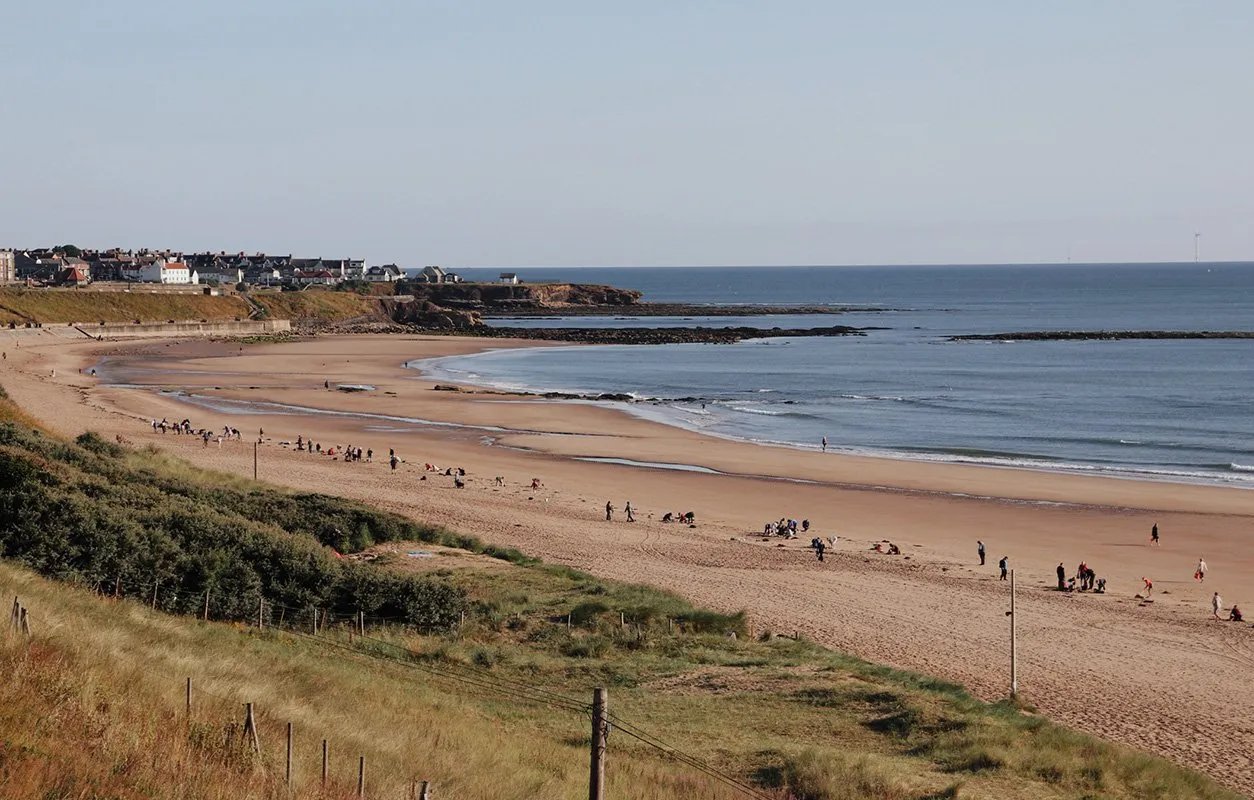
In the wake of the disaster, hundreds of volunteers have taken to the sand, often working on their hands and knees to painstakingly recover the pellets. Tynemouth Councillor Tom Bailey, who is spearheading a new awareness campaign, praised the efforts of the public while highlighting the fragility of the recovery process.
“We’re launching a campaign to encourage people to reduce the amount of plastic they bring to the beach and to please take their litter home with them,” said Councillor Bailey. “The nightmare scenario here is that we collect 600 of these pellets, they get recycled into a plastic bottle, and then it’s back on the beach in a month’s time, breaking down into microplastics—we’ve lost before we’ve started.”
To address this, local authorities are rolling out an educational campaign throughout the season. Utilizing social media, community outreach, and on-site signage, the initiative aims to educate visitors on the dangers of plastic pollution and encourages the use of reusable water bottles to curb the cycle of waste.
Lessons for the Future
The impact of the spill has reached the highest levels of local governance. Sir Alan Campbell, MP for Tynemouth, expressed his gratitude to the volunteers who rallied to mitigate the environmental damage. However, he emphasized that the incident must serve as a catalyst for systemic change.
“There are important lessons to learn from what’s happened, not least around the legislation and the way that plastics are transported and packaged,” Sir Alan noted. He added that the campaign addresses a broader, critical issue regarding the preservation of the region’s waterways and coastline. “Protecting our environment is so important, which is why this campaign is so important.”
As the region continues the arduous process of recovery, the message from local leaders is clear: the nurdle clean-up is only the first step. For the North East’s beaches to remain resilient against future pollution, a sustained, collective commitment from every visitor to reduce plastic consumption is essential to safeguarding the environment for generations to come.