








India Confident Rice Trade with Iran Will Withstand New US Sanctions
India, the world’s largest rice exporter, remains resilient in the face of mounting geopolitical pressure. Despite the recent announcement of stringent new US sanctions on Iran by the Trump administration, Indian agricultural exporters remain optimistic that the essential flow of rice to the Middle Eastern nation will continue uninterrupted.
A Critical Food Security Pipeline
According to official government data, rice constitutes nearly two-thirds of India’s $1.25 billion total exports to Iran for the fiscal year ending in March. While Iran accounts for approximately 7% of India’s $11.5 billion global rice market, the trade relationship is viewed as vital for both parties.
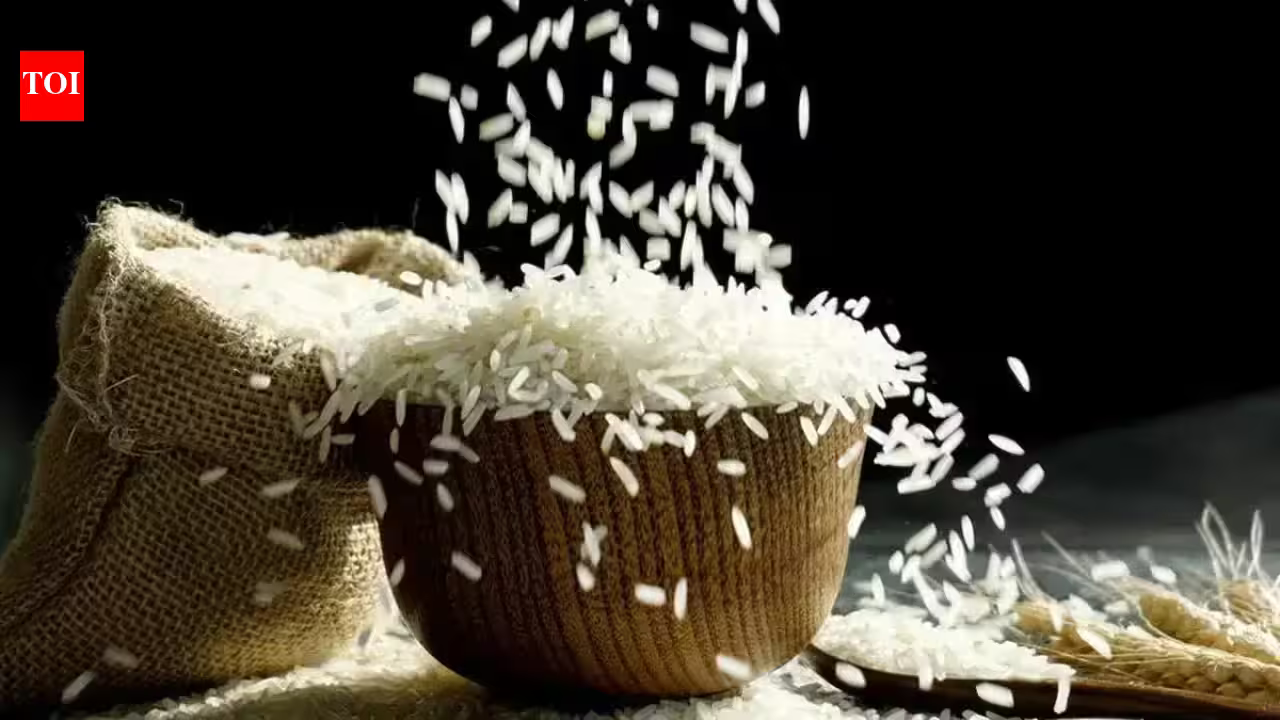
Ajay Bhalothia, general secretary of the All India Rice Exporters Association, stated that demand from Tehran has remained firm. He emphasized that Iran continues to purchase large volumes primarily for “food security reasons.” In the last fiscal year alone, Iran imported over 1 million tonnes of rice from India, marking a 17% increase from the previous year. As a staple for traditional dishes such as chelow and tahdig, the demand for high-quality basmati rice—for which Iran is India’s second-largest market by volume—remains inelastic.
Navigating Financial Hurdles
To bypass the banking restrictions imposed by Western sanctions, Indian traders have demonstrated significant adaptability. Exporters have successfully utilized alternative payment channels located in jurisdictions such as the UAE, Germany, and China. More recently, there has been a strategic pivot toward using Turkey as a financial conduit following the UAE’s decision to suspend certain trade and financial transactions with Iran.
These creative settlement mechanisms have allowed exporters to avoid direct transactions with Iranian banks, which are typically the primary targets of international sanctions.
Humanitarian Exemptions and Economic Realities
While the US has warned that nations doing business with Iran could face economic repercussions, experts suggest that India’s exports—predominantly food items, tea, and pharmaceuticals—are protected by their humanitarian nature. With limited alternative suppliers for these specific goods, there is an industry-wide expectation that these shipments will remain exempt from the harshest trade barriers.
SC Ralhan, president of the Federation of Indian Export Organisations, echoed this sentiment, noting that while total trade volume has declined by over 90% since its 2018-19 peak of $17 billion, the current trade profile is heavily centered on essential goods. “Indian exports to Iran shouldn’t get impacted,” Ralhan noted, though he urged the government to intervene on humanitarian grounds to assist exporters with the rising costs of freight and insurance.
Decoupled from Crude
The current trade dynamic marks a significant departure from the era when Iran was a primary energy partner for New Delhi. India has largely ceased importing Iranian crude oil since 2019, removing a major point of friction that previously made the two nations vulnerable to US energy-related sanctions.
As the geopolitical landscape shifts, the resilience of the India-Iran rice trade stands as a testament to the essential nature of global food supply chains, which often endure even when formal diplomatic and financial ties are severely strained.