








Household Energy Bills Set to Soar: Ofgem Announces October Price Cap Hike
Good Morning Britain viewers were met with sobering news this morning as hosts Richard Madeley and Ranvir Singh interrupted the program to deliver a significant update from the energy regulator, Ofgem. The watchdog has confirmed a 4% increase in the energy price cap, set to take effect from October.
This adjustment will see the typical household energy bill rise to £1,723 per year—a level not seen since the summer of 2023. The announcement places immense pressure on the government as families continue to grapple with the ongoing cost-of-living crisis.
The Breakdown: A “Double Whammy” for Winter
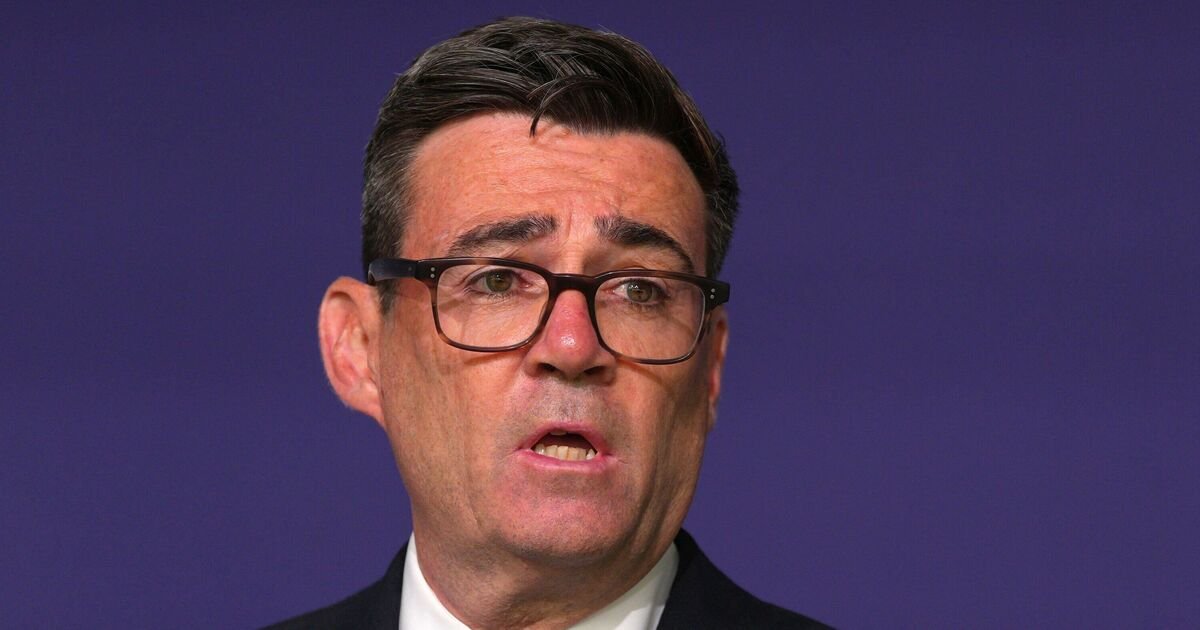
Joining the presenters to dissect the implications of the announcement, financial journalist and consumer champion Martin Lewis explained that the increase is particularly damaging because it arrives just as the colder months begin.
“This is a 3.6 per cent rise over the crucial start of the winter period,” Lewis noted. “When we had the price cap that started in July, that was up 12.6 per cent. While the mitigation for that was that it covered the low-use summer period, this current hike is on top of that previous rise. When we go into October, prices will be 17 per cent higher than they were in April—and that is over the winter period.”
Lewis highlighted that the situation would have been significantly worse had the government not implemented a cut to electricity VAT. “Without that cut, we would have seen prices rising by about 6.6 per cent,” he explained, adding that the complexity of the current market makes it difficult for many households to grasp the full extent of the change.
Who is Affected?
The energy price cap is specifically applicable to households on a standard variable tariff—the “default” rate for those who have not switched providers or who have let a fixed-rate contract expire. Lewis cautioned: “If you are on your firm’s standard variable tariff, you will, in almost all cases, see your prices rise. If you are already on a fix, you will stay on that price until that fix ends.”
Strategies for Survival
Looking ahead, the news could get worse. Lewis warned that early predictions suggest the price cap could rise by a further 9% in January, largely driven by volatility in the Middle East affecting wholesale energy rates.
For those looking to protect themselves from further hikes, Lewis offered practical advice: “If you are on your company’s standard variable tariff, you can get a fix.”
However, he urged consumers to be strategic. While some current fixed deals are approximately 7% cheaper than the current cap, the market remains volatile.
“Because wholesale rates are so high right now due to the situation in the Middle East, if things were to ease there, it may be that in a week or two, you could get a cheaper fix,” he advised. “This isn’t necessarily the best time to fix. You might want to hold off for a week or two and cross your fingers that things get a little better so you can lock in at a lower rate.”
For households worried about their finances, the Good Morning Britain expert suggests using market comparison tools, such as the Cheap Energy Club, to stay informed and ready to act the moment a favorable deal appears.