









Rising Global Temperatures: Understanding the Impact of a Record-Breaking El Niño
The world is bracing for a period of heightened climate volatility as a strengthening El Niño event threatens to disrupt weather patterns across the globe. Characterized by a significant warming of the ocean surface in the central and eastern tropical Pacific, this recurring climate phenomenon is entering a phase that experts warn will exacerbate extreme weather events, leading to a cascade of environmental challenges.
As the planet continues to warm, the arrival of a robust El Niño acts as a force multiplier for atmospheric instability. The impacts are expected to be profound and geographically diverse, creating a “tale of two extremes” for different regions of the globe.
A Global Pattern of Extremes
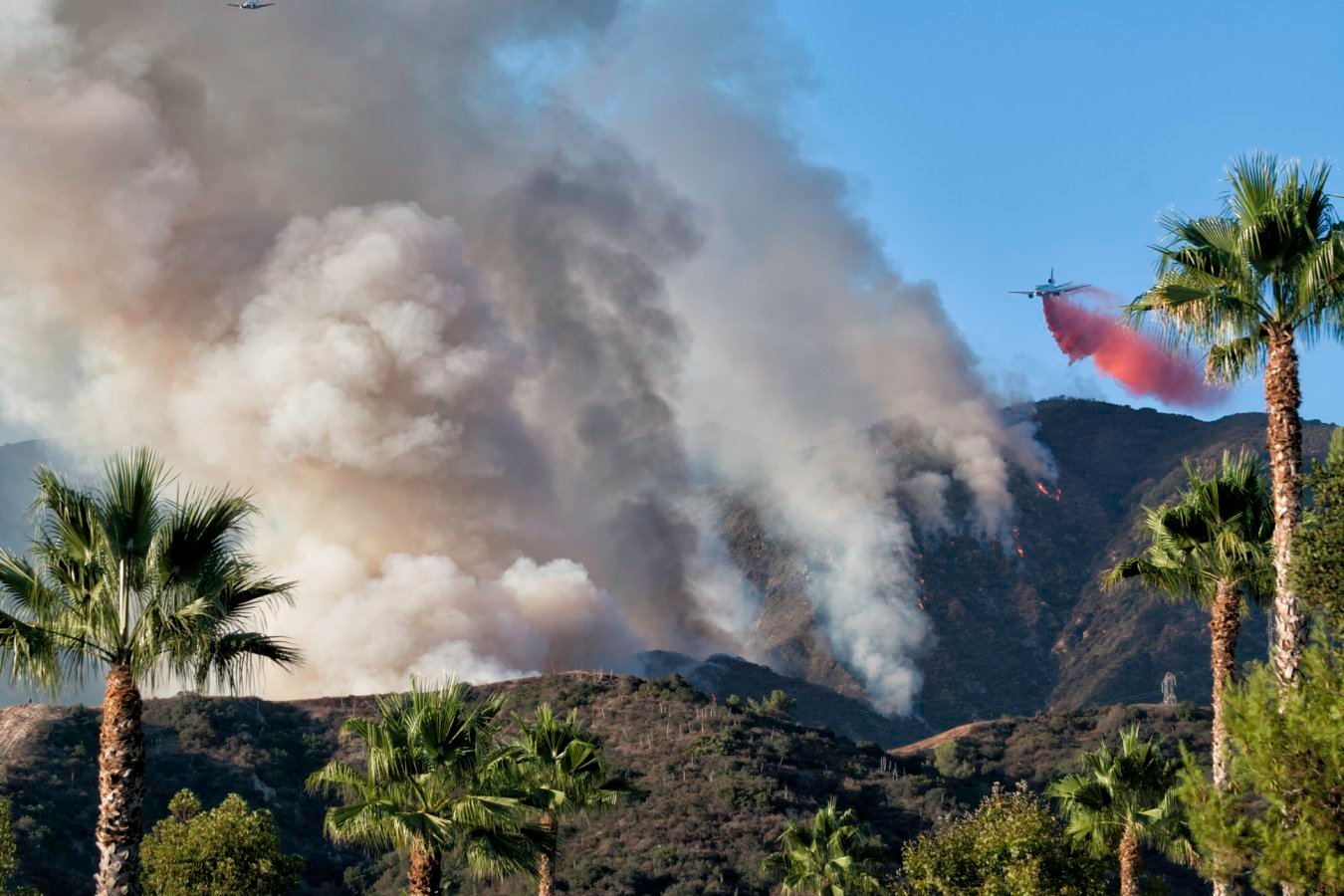
The climatic shifts triggered by this event will not be felt uniformly. In areas such as Australia, Southeast Asia, and parts of the Americas, meteorologists are forecasting an increased risk of severe droughts. These arid conditions serve as a dangerous catalyst for uncontrollable wildfires, as parched vegetation provides ample fuel for rapidly spreading blazes.
Conversely, other regions—particularly the southern United States, parts of South America, and the Horn of Africa—are likely to face the opposite threat: intense rainfall, catastrophic flooding, and an increase in the frequency and severity of tropical storms. These hydrological shocks pose a significant risk to infrastructure, agriculture, and public safety.
Analyzing the Data
The complexity of these climate shifts is reflected in recent scientific modeling. Researchers are closely tracking how this specific event compares to historical precedents. For a detailed look at how this phenomenon is unfolding and the specific climate projections for the coming months, you can view these graphs that show how the record-breaking El Niño will affect the world.
Preparing for a Changing Climate
The combination of human-induced climate change and natural phenomena like El Niño creates a precarious outlook for global disaster preparedness. Policymakers and emergency response agencies are now being urged to prioritize early warning systems and climate-resilient infrastructure.
As the world experiences the direct effects of these atmospheric shifts, the scientific community emphasizes that understanding the mechanics of these events is essential for mitigating their most devastating impacts on food security, water supplies, and global economies.
With the current data pointing toward significant disruptions, the coming months will be a critical test for global climate resilience.
Image credit: New Scientist