







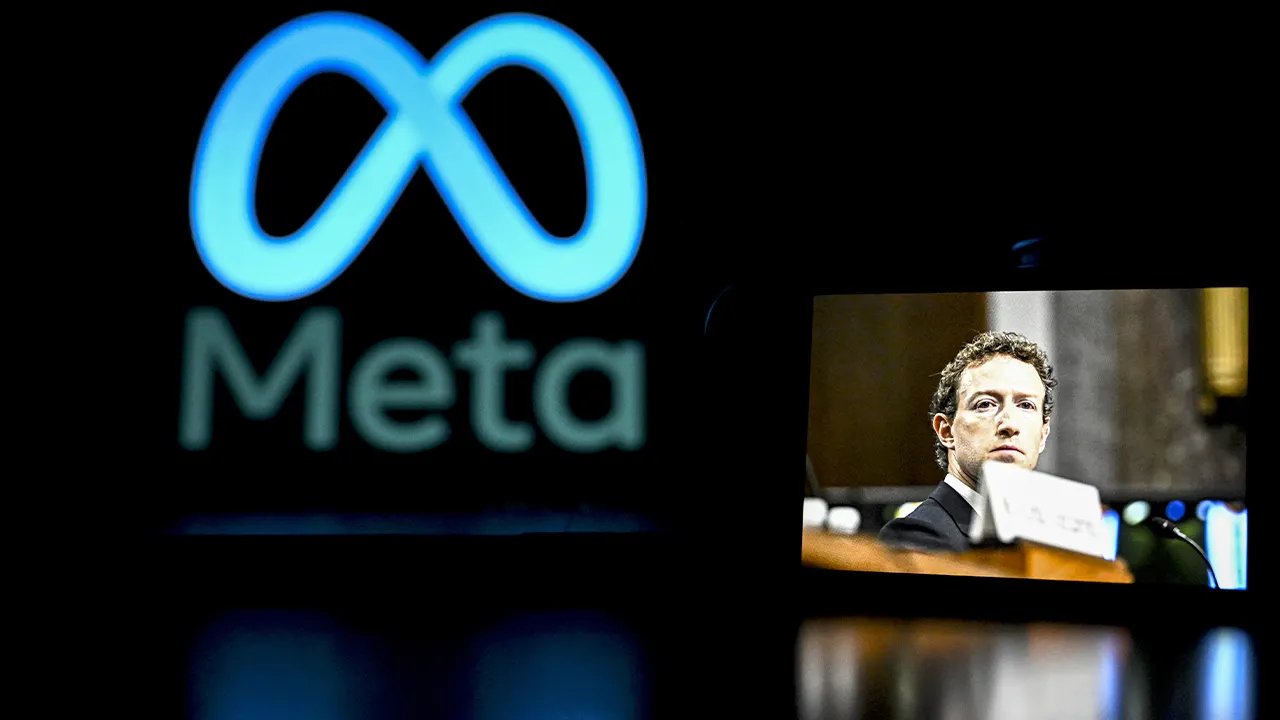
Meta Reaches $17.1 Billion Settlement with States Over Teen Social Media Safety
In a landmark legal resolution, Meta has agreed to pay as much as $17.1 billion to settle claims that the tech giant intentionally designed its flagship platforms, Facebook and Instagram, to be addictive to children while misleading the public regarding their safety.
The settlement, disclosed in court filings on Wednesday, resolves high-profile allegations brought by 29 states. The agreement effectively averts a massive courtroom showdown, potentially sparing Meta CEO Mark Zuckerberg from a high-stakes appearance on the witness stand. The states had accused the company of violating consumer protection laws and unlawfully harvesting personal data from minors without parental consent.
Financial Structure of the Deal
According to the District of Columbia’s attorney general’s office, the financial terms are tied to a 10-year commitment. Meta has pledged a base payment of at least $12.1 billion. However, an additional $5 billion may be required if other major social media competitors adopt similar child-safety protocols, bringing the total potential settlement to $17.1 billion.
This agreement marks a significant turning point in the ongoing battle over how social media giants manage their impact on young users. While Meta has consistently denied the allegations, maintaining that it has prioritized the safety of minors, the company described the settlement as an effort to set a “new industry standard.”
New Safeguards and Industry Pressure
Under the terms of the deal, Meta has committed to implementing stringent protections for teen accounts. These updates include:
- Time Management: Enforced daily time limits for younger users.
- Nighttime Restrictions: Blocking access to apps during specific late-night hours.
- Focus Mode: Muting notifications during school hours.
- Enhanced Parental Controls: Expanded tools for guardians to manage their children’s digital experiences.
Despite these commitments, Meta noted that several of the more restrictive measures—such as the nighttime block—are conditional. The company plans to roll these out only if competitors like TikTok and YouTube follow suit, citing concerns that industry-wide adoption is necessary for the safeguards to be truly effective.
“Ensuring teens have a safe and productive experience on our platforms is an absolute imperative for Meta,” the company stated in an official release. “We want to get this right for parents and teens, and that’s why we partnered with state attorneys general to set a new industry standard.”
A Call for Industry-Wide Action
In an open letter addressed to its rivals, Meta urged TikTok and YouTube to join the movement, arguing that because teenagers frequently transition between various apps, individual company protections have a limited impact on the broader issue of social media addiction.
“For meaningful progress to happen, we urge TikTok and YouTube to join us and state attorneys general in adopting this new standard, to ensure teens use social media in a healthy and responsible way,” Meta wrote.
The rollout of these changes is expected to take approximately six months. As this story continues to develop, it remains to be seen whether other tech giants will face similar pressure to overhaul their interfaces to prioritize the mental health and safety of their youngest users.
This is a developing story. Please check back for further updates.