







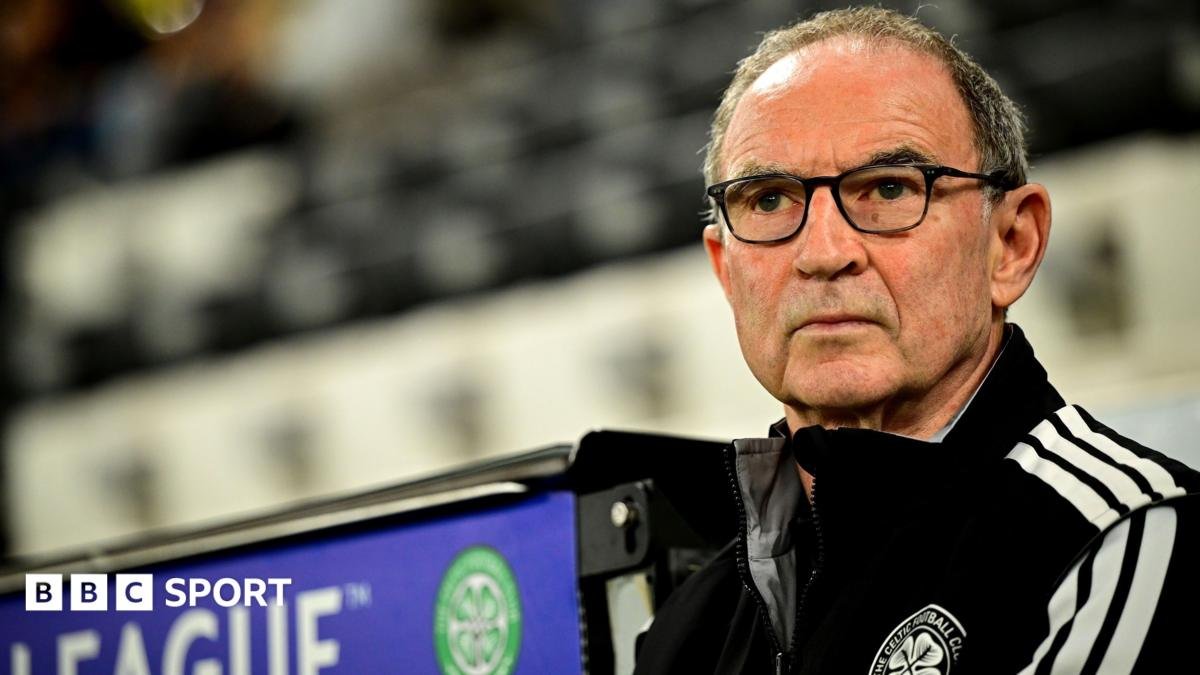
European Heartbreak: Celtic’s Persistent Struggles in Champions League Qualifying
The dream of a prolonged European campaign has once again ended in disappointment for Celtic, marking a troubling trend that has become all too familiar for the Scottish champions. Following their latest exit from the tournament, the Hoops have now faltered in Champions League qualifying on six successive occasions, raising urgent questions about the club’s approach to continental competition.
For the Parkhead faithful, the recurring nature of these early departures is a bitter pill to swallow. While domestic dominance remains a staple of the Celtic identity, the inability to replicate that success on the European stage has stalled the club’s momentum and prevented them from establishing a consistent foothold among the continent’s elite.
The Cost of Stagnation
The ramifications of these recurring failures extend far beyond the pitch. Financially, missing out on the lucrative group-stage revenue—or the new “league phase” structure—impacts the club’s ability to compete in an increasingly inflated transfer market. Each year spent struggling to navigate the preliminary rounds creates a cycle of frustration that hinders long-term squad development.
Furthermore, the psychological toll on the fanbase and the squad cannot be overlooked. There is a palpable sense of fatigue surrounding the team’s European excursions, with expectations dampened by years of incremental progress followed by sudden, jarring exits.
Looking Ahead: What Needs to Change?
As the dust settles on another premature exit, the focus turns toward the board and management. Critics argue that the current strategy—often characterized by late-window recruitment and a lack of tactical flexibility against continental opposition—is no longer sufficient to navigate the modern qualification process.
To break this cycle, observers suggest that Celtic must shift from a reactionary stance to a proactive one. This includes earlier squad fortification and a clearer strategic vision for how to marry their high-intensity domestic style with the disciplined, possession-based demands of European football.
For now, Celtic finds itself at a crossroads. As they pivot back to domestic duties, the shadow of their European shortcoming looms large, serving as a reminder that until the club can successfully bridge the gap between Scottish supremacy and European competence, these qualifying failures will continue to define their international narrative.