









India Rejects UN Panel’s Observations on Racial Discrimination as ‘Politically Motivated’
New Delhi: The Indian government on Wednesday issued a sharp rebuke to the United Nations Committee on the Elimination of Racial Discrimination (UNCERD), dismissing the body’s recent observations regarding human rights in India as “politically motivated” and “highly malicious.”
The Ministry of External Affairs (MEA) issued a formal statement in response to the Committee’s recent press release, which had expressed deep concern over reported violations by law enforcement officials. The UN panel’s report alleged systemic issues affecting ethnic and ethno-religious groups, Indigenous peoples, and marginalized communities, including Scheduled Tribes, Scheduled Castes—specifically Dalits—and non-citizens.
Escalating Tensions
The UN Committee’s statement also highlighted an alleged rise in hate speech and hate crimes, particularly targeting Bengali-speaking Muslims, and formally called upon the Government of India to ensure accountability for these incidents.
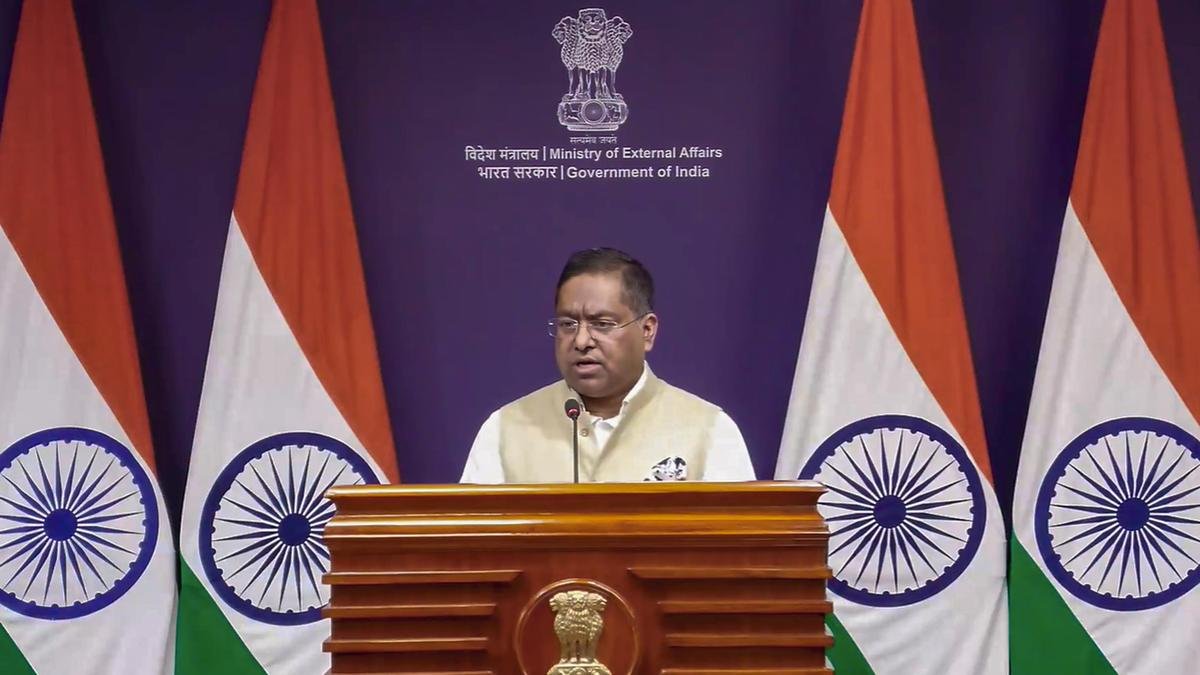
However, the Indian government firmly rejected these characterizations. MEA Spokesperson Randhir Jaiswal stated that while India engaged in the review process in good faith, it maintains a stance of zero tolerance toward what it perceives as biased international oversight.
“India rejects any politically motivated highly malicious references in the report with all the contempt that it deserves,” the Ministry stated. The government emphasized that its commitment to eradicating racial discrimination is “firm and unwavering,” anchored by robust constitutional safeguards and a comprehensive legal framework.
Review Process under Scrutiny
The controversy stems from India’s 11th periodic review under the International Convention on the Elimination of All Forms of Racial Discrimination (ICERD), which took place in Geneva on August 11–12. The high-level Indian delegation was led by Solicitor General Tushar Mehta.
During the Geneva session, the Indian delegation defended its track record by highlighting the country’s pluralistic ethos, democratic accountability, and extensive affirmative action policies designed to uplift disadvantaged sections of society. The government argued that during the review meeting, the delegation had already countered what it described as “sweeping generalizations” and “unsubstantiated allegations” that appeared to exceed the Committee’s formal mandate.
Context of the Dispute
The recent deliberations centered on India’s 12th and 21st combined periodic reports, which were submitted to the CERD in 2023. These reports were intended to provide a comprehensive look at the administrative and policy interventions currently in place to counter prejudice and intolerance within the country.
The Permanent Mission of India in Geneva noted that throughout the review, the Indian team emphasized the nation’s “scale and complexity,” asserting that the state remains dedicated to ensuring equality and dignity for all citizens through judicial remedies and sustained socio-economic development.
As the diplomatic row intensifies, the government has signaled that it will continue to address the Committee’s observations through established, formal procedures, while maintaining that it will not accept external assessments it deems to be detached from the ground reality of India’s internal governance.
For further details on this developing story, you can read more about how India rejects the committee’s remarks.