








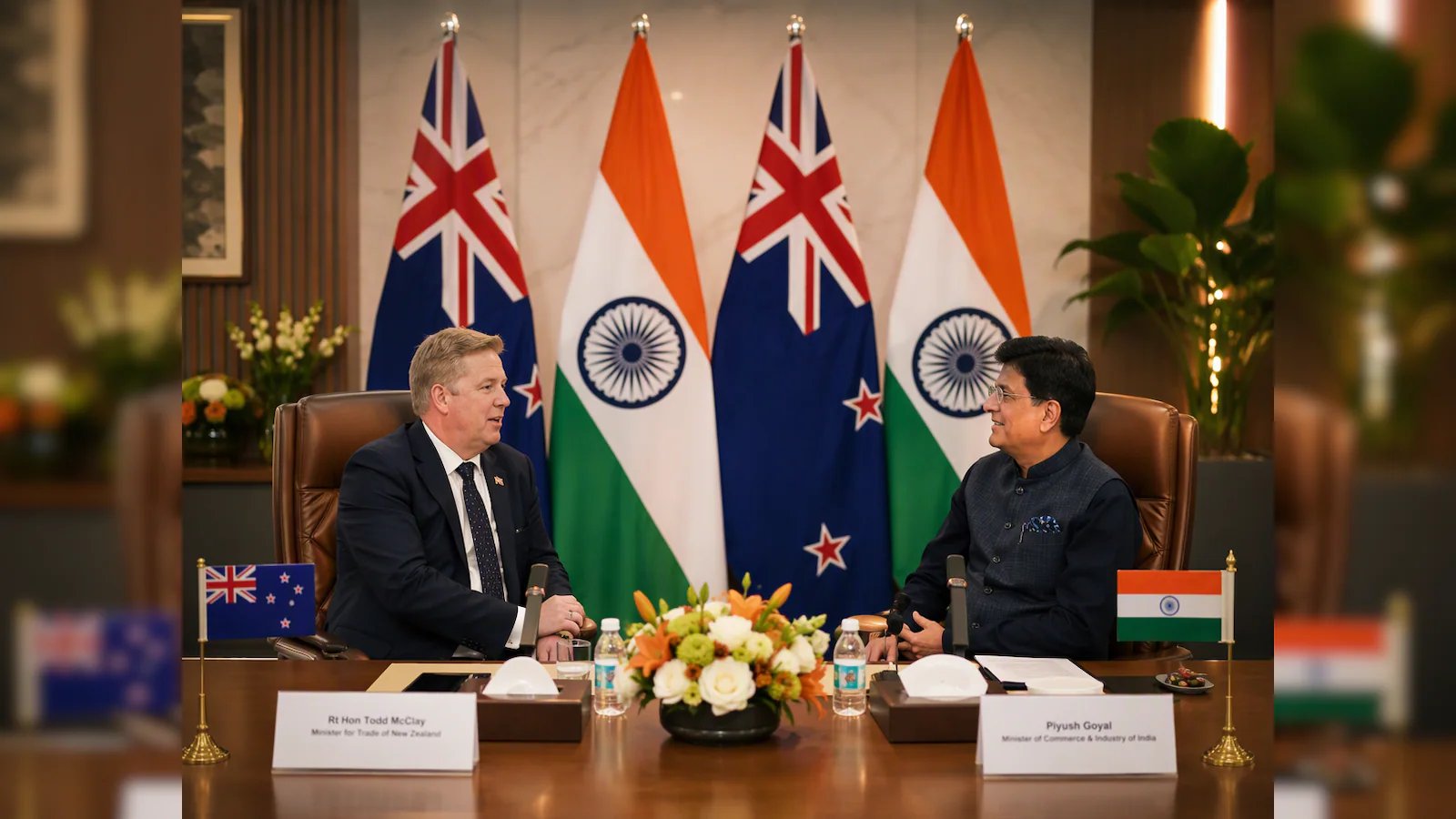
The implementation of the India-New Zealand Free Trade Agreement (FTA) on October 20 marks a transformative shift in international commerce, signaling a new era of zero-duty trade between the two nations. As Indian businesses pivot toward diversifying their global footprint, this legislative milestone offers a strategic roadmap for exporters to bypass previous tariffs of up to 10 percent. While the immediate financial impact is significant, the long-term success of this deal will be defined by how effectively domestic firms leverage digital infrastructure and precision manufacturing to meet international market demands.
## Scaling Exports Through Digital Transformation
The removal of trade barriers is not merely a bureaucratic victory; it is a catalyst for technological integration within the export sector. For Indian manufacturers of engineering and stainless steel goods, the new trade landscape demands a sophisticated approach to supply chain management. Industry leaders are increasingly turning to data-driven platforms to navigate these new corridors. By integrating advanced analytics and AI-powered logistics solutions, companies can now forecast demand in the New Zealand market more accurately, optimizing inventory levels and ensuring that high-spec industrial products reach their destinations with greater reliability.
For small and medium-sized enterprises (SMEs), this digital transition is critical. While the FTA provides the legal framework for duty-free access, the onus lies on businesses to enhance their digital storefronts and B2B platforms. As global trade dynamics fluctuate, the ability to pivot production and shipping models using real-time data will separate successful exporters from those hindered by traditional, manual processes.
## The Role of Tech and Innovation in Trade Growth
The expansion of trade to a $7 billion target by 2030 requires more than just tariff relief; it necessitates a focus on product quality and technical standards. The engineering and pharmaceutical sectors, in particular, are expected to benefit from the FTA by adopting modern automation and quality-assurance technologies. Many Indian firms are utilizing tech-enabled platforms to ensure their products comply with New Zealand’s rigorous import standards.
Furthermore, as layoffs continue to reshape the global technology sector, there is a renewed emphasis on upskilling. The integration of data analytics and smart manufacturing into the export-import workflow has created a surge in demand for talent that understands both global trade compliance and digital systems. Professionals skilled in cloud-based supply chain management and international business software are finding themselves at the center of this new economic corridor, playing a pivotal role in operationalizing the FTA.
## Navigating Future Trade Dynamics
While the FTA creates a favorable environment for leather, textile, and processed food sectors, the competitive advantage will likely go to companies that embrace innovation. As businesses look to reduce dependence on traditional trade routes, the India-New Zealand agreement serves as a template for resilient export strategies.
Future growth will be bolstered by ongoing cooperation in investment and mobility, which extends the partnership beyond physical goods. As both nations work to build a more integrated economic relationship, the convergence of policy and technology will be the primary driver of success. For Indian exporters, the message is clear: duty-free access is the foundation, but digital adaptability is the ceiling. By aligning their industrial capabilities with modern technological frameworks, Indian firms are well-positioned to cement their status as key players in the Oceanic market, ensuring that the 2030 trade targets are not only met but surpassed through smarter, more agile business practices.
Disclaimer: This content is auto-generated for informational purposes only.
Source: Read Original News