








India Raises Alarm Over UN’s Precarious Financial Future Ahead of 2026
The United Nations is facing a looming financial crisis that threatens to undermine its operational capacity as it approaches 2026. India has officially voiced significant concern regarding the organization’s liquidity, highlighting systemic issues that hinder the global body’s ability to function effectively. During discussions at the United Nations, New Delhi pointedly addressed the growing fiscal instability, identifying chronic non-payment by specific member states as a primary driver of the instability.
A Call for Financial Discipline
Representing India at the UN, Surendra Adhana, Counsellor at India’s Permanent Mission, delivered a stern message on October 19 regarding the organization’s budgetary health. Addressing the current fiscal climate, Adhana reminded all nations of their foundational responsibilities. He emphasized that under the UN Charter, every member state is legally and morally bound to fulfill its financial obligations.
“Every member state is obliged under the UN Charter to pay assessed contributions in full, on time, and without conditions,” Adhana stated. India’s stance is that the persistent failure to meet these obligations does not merely create administrative hurdles; it threatens the credibility and the very mission of the United Nations. By linking the current liquidity crunch to a lack of fiscal discipline, India is pushing for a more rigorous adherence to international commitments, warning that the trajectory heading into 2026 is currently unsustainable.
The Burden of Unpaid Contributions
A major point of contention raised by India involves the “unacceptably high level” of unpaid assessed contributions. While the UN relies on a tiered system where member states contribute based on their economic capacity, a significant portion of this funding remains trapped in arrears.
India’s intervention drew attention to the fact that a substantial volume of these outstanding funds is owed by a single member state. While New Delhi refrained from naming the specific country, the implication of such a massive shortfall—concentrated within one entity—is clear: it places an immense strain on the UN Secretariat’s ability to plan long-term development programs, peacekeeping missions, and humanitarian relief efforts. When one major contributor fails to settle its dues, the entire organization is forced to operate in a reactive, survivalist mode rather than a proactive, strategic one.
The Global Contribution Landscape
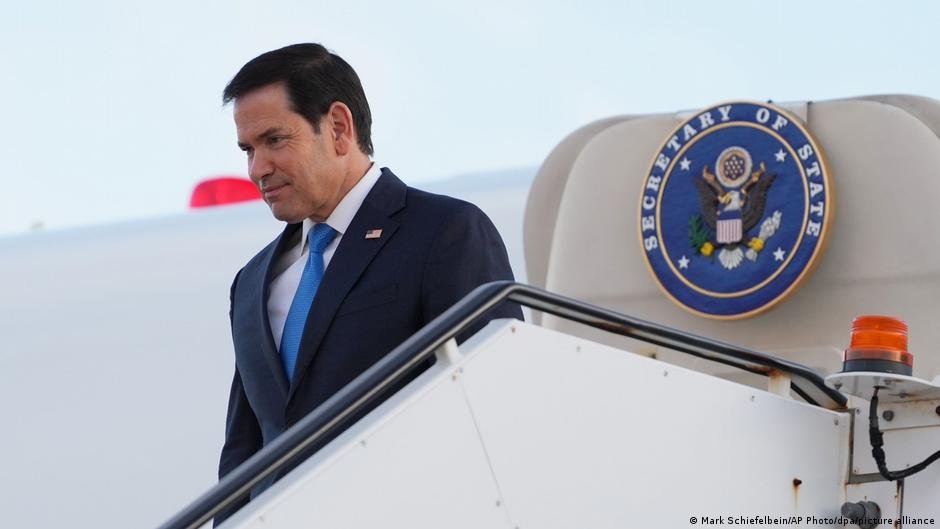
The fiscal architecture of the United Nations is heavily dependent on the contributions of its most powerful economies. The United States, as the largest financial donor to the global body, plays a pivotal role in maintaining the organization’s solvency. Data indicates that the U.S. is responsible for 22% of the UN’s regular budget and contributes 27% toward peacekeeping operations.
While these contributions are essential, the disparity between these obligations and the reality of the UN’s bank account has sparked a broader debate about equity and responsibility within the General Assembly. As the UN looks toward 2026, the challenge remains clear: the organization cannot effectively navigate global conflicts, climate crises, or public health emergencies if its foundational financial framework continues to be compromised by political delays and administrative neglect.
India’s recent statement serves as a wake-up call for the international community. By demanding accountability and emphasizing the sanctity of the UN Charter, New Delhi is signaling that the financial future of the world’s most important multilateral institution depends on the collective willingness of all members to prioritize the global good over individual fiscal inertia.
Disclaimer: This content is auto-generated for informational purposes only.
Source: Read Original News