








A Tokyo mother’s morning routine turned into a harrowing brush with death this past summer, highlighting a sophisticated and terrifying new trend in Japanese criminal activity. As the woman prepared her children for school, her family dog erupted into frantic barking, followed by her child’s chilling report of a stranger tapping on a bedroom window.
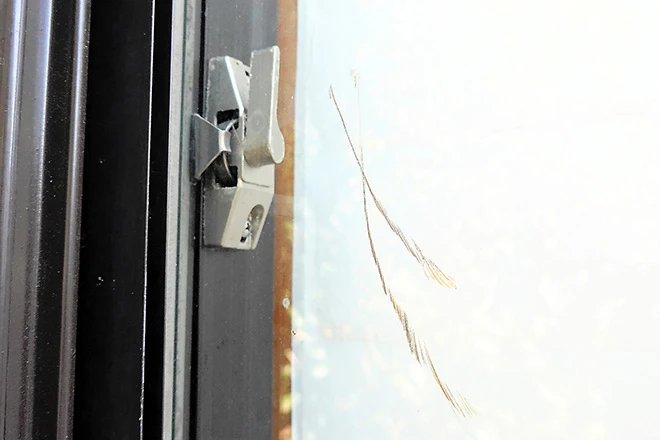
When the woman confronted the intruder—a man clad in a black knit cap and a white mask—their eyes locked. “My God. I might be killed,” she later recalled thinking. Her desperate shout of “What do you want?” sent the man fleeing, but her relief was short-lived. A second voice heard outside suggested a coordinated team, and when police arrived, they discovered tool marks on the window, confirming a botched home invasion.
While the immediate threat had passed, police delivered a warning that forced the family to abandon their home for nearly a month. Investigators revealed that the suspects were pawns of tokuryu—anonymous, decentralized criminal networks that operate through encrypted messaging apps. More alarmingly, authorities feared the family’s address, floor plans, and financial data had likely been circulated among multiple criminal groups. To police, her home remained a marked target.
The incident is part of a growing, nationwide pattern that has the Metropolitan Police Department on high alert. Investigative sources reveal that as of early October, authorities had identified over 100 residences across Tokyo that have been flagged as potential targets by tokuryu syndicates. Information regarding these targets is often compiled into digital dossiers, including Excel spreadsheets and floor plans, which are traded and shared like currency across the dark web.
“One possibility is that what we can see is only the tip of the iceberg,” a senior investigator noted, acknowledging that the volume of targeted homes is increasing daily.
The suspects involved in the Tokyo woman’s case were recruited through social media “dark part-time jobs” and arrested within two weeks. However, the ease with which these networks share sensitive data has prompted the National Police Agency to propose controversial “remote analysis” measures. This system would allow law enforcement, under court order, to remotely extract target lists and criminal plans directly from the smartphones of suspected tokuryu coordinators.
While the proposal aims to prevent crimes before they occur, it faces fierce scrutiny regarding privacy rights and constitutional protections. For the victim, who has been living under police protection since the incident, the debate is deeply personal.
“I’m worried such powerful authority could be abused,” she admitted. “But if police can pinpoint target information and reduce the number of victims, that would give me peace of mind.” As authorities scramble to map the reach of these digital crime syndicates, thousands of Japanese families remain left to wonder if they, too, are on an encrypted list waiting for a knock at the window.
Disclaimer: This content is auto-generated for informational purposes only.
Source: Read Original News