







India and China Signal Diplomatic Thaw with Renewed Focus on Border Delimitation
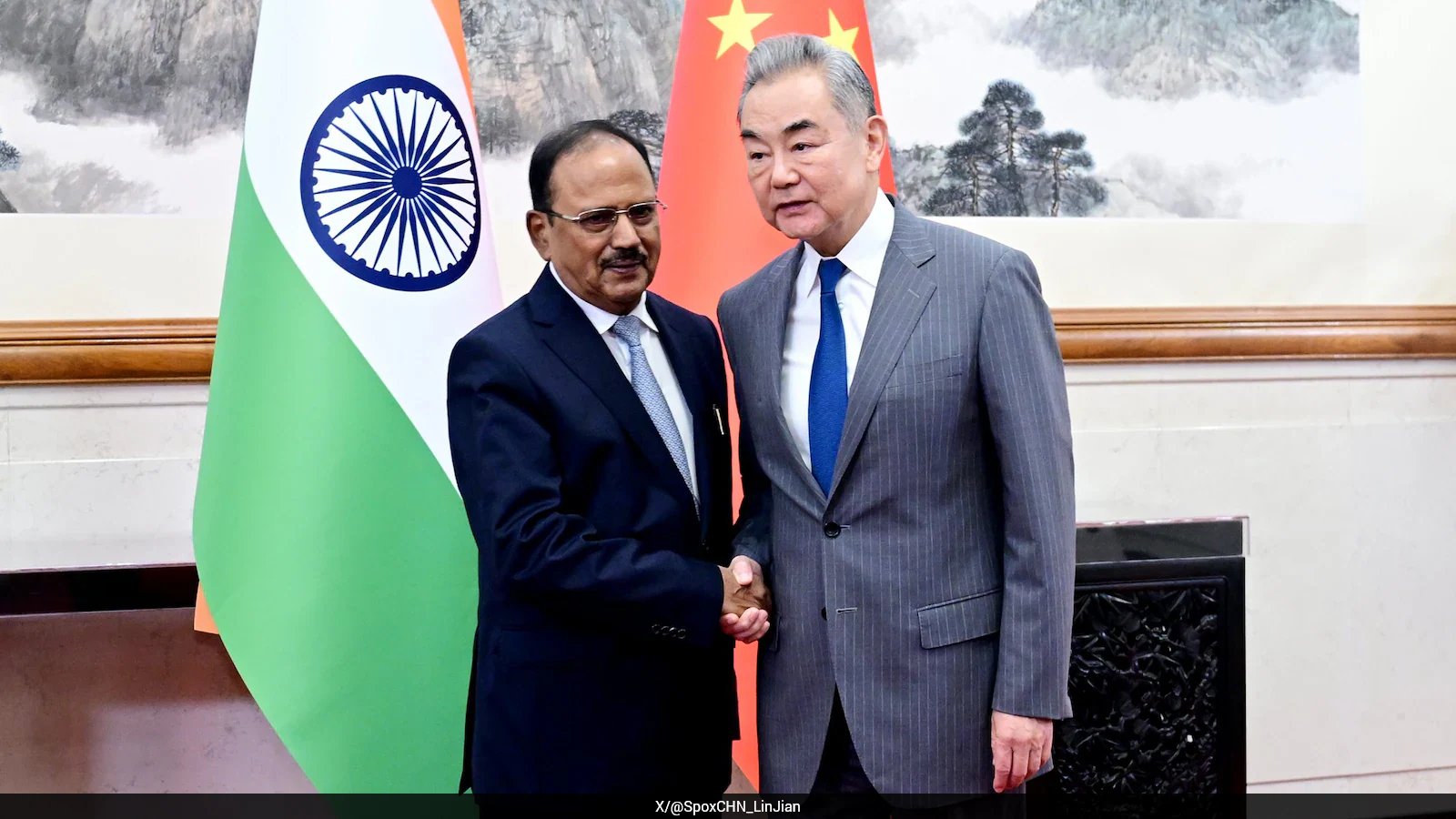
BEIJING – In a move that suggests a strategic cooling of tensions, India and China have taken a significant step toward resolving their long-standing territorial disputes. National Security Advisor Ajit Doval and Chinese Foreign Minister Wang Yi held the 25th round of Special Representatives’ talks in Beijing this week, marking a pivotal moment in the normalization of bilateral relations following years of friction along the Line of Actual Control (LAC).
The high-level engagement, which included extended sessions between delegations and a private meeting between Doval and Vice-President Han Zheng, underscored a shared commitment to stabilizing a relationship that suffered a sharp decline after the 2020 military clashes in eastern Ladakh.
A Pragmatic “Early Harvest” Approach
While neither side has disclosed which specific sectors of the LAC are under discussion, the renewed focus on the delimitation process is being viewed by observers as a major development.
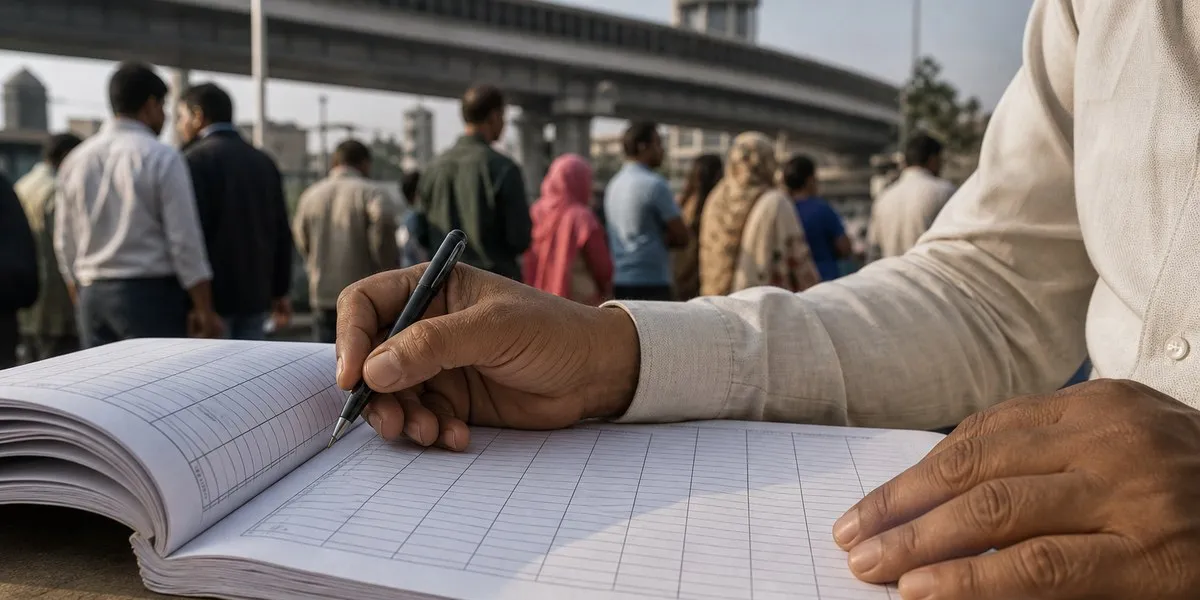
Building on last year’s negotiations, both nations appear to be doubling down on an “early harvest” strategy. Rather than attempting a complex, all-encompassing resolution to the decades-old border dispute—which remains unlikely in the short term—the two powers are prioritizing the settlement of manageable, less contentious sections of the border. This incremental progress is intended to build the necessary trust for more complex negotiations down the road.
“Bilateral ties are steadily returning to normalcy,” Doval noted, crediting Prime Minister Narendra Modi and President Xi Jinping with providing the “clear and positive direction” required to navigate the current diplomatic climate.
Setting the Stage for the BRICS Summit
The timing of these talks is particularly noteworthy. With Chinese President Xi Jinping scheduled to travel to New Delhi next month for the BRICS Summit, the meeting in Beijing serves as a crucial foundation for high-level diplomatic outcomes. This will mark President Xi’s first visit to India in seven years, placing significant pressure on both delegations to ensure the summit is defined by progress rather than controversy.
Foreign Minister Wang Yi emphasized the broader stakes, noting that the relationship between the two Asian giants extends beyond their own borders to impact the global order. Invoking the metaphor of the “Dragon-Elephant Dance,” Wang called for a partnership grounded in “good-neighbourly” cooperation, warning that the two nations must learn from history to avoid “stagnating, backtracking, or veering off course.”
Building a Stable Foundation
The core of the current diplomatic strategy remains the preservation of peace on the ground. Both representatives reaffirmed the 2005 Political Guiding Principles as the bedrock for all future negotiations. As the boundary question continues to be the primary friction point, the ability of both nations to maintain military disengagement and institutional cooperation will be the litmus test for whether this diplomatic thaw can translate into long-term stability.
For India, the priority remains clear: leveraging the improved political atmosphere to ensure a peaceful border while pushing for a fair, reasonable, and mutually acceptable package solution. As the weeks tick down to the BRICS summit, the international community will be watching closely to see if this momentum can be sustained.