







Electoral Roll Controversy: 130 Million Names Removed Sparks Nationwide Protest
A massive administrative undertaking intended to “purify” India’s electoral rolls has spiraled into a significant political crisis, leaving millions of citizens disenfranchised and casting a shadow over the integrity of the nation’s democratic processes. During a nationwide “Special Intensive Revision” procedure, election authorities removed approximately 130 million names from voter lists, citing logical discrepancies, duplicate entries, records of deceased individuals, and address changes as the primary justification for the purge.
However, the scale of the deletions has sparked widespread public outcry. Thousands of citizens, many of whom have lived in the same neighborhoods for decades, have suddenly discovered they are no longer registered to vote. This administrative upheaval has placed an immense burden on the working class, who are now being forced to navigate a labyrinthine bureaucracy to prove their citizenship and reinstate their voting rights.
The Human Cost of Administrative Errors
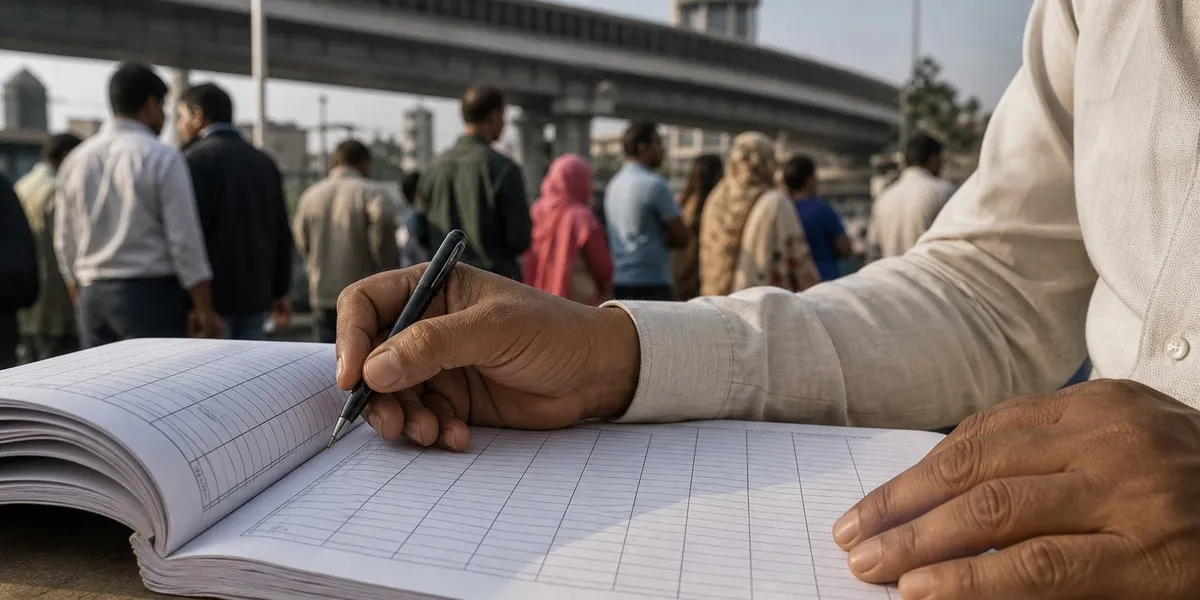
The real-world impact of these deletions is best captured by stories like that of Kamta Prasad, a 53-year-old tailor living in Delhi. Prasad was shocked to find himself officially marked as “deceased” on the electoral roll. To rectify this error, he has been compelled to skip work, sacrificing his modest daily income of 250 rupees—money essential for the survival of his family—to visit government offices and plead his case.
The situation is mirrored across various districts. In one specific Delhi neighborhood, volunteers from the advocacy group Jan Sarokar reported that nearly 2,000 out of 9,000 residents were struck from the rolls. Kamal Lal, a 38-year-old private school teacher, is another victim of the system; despite residing in the same settlement under a Delhi flyover for years, his status was updated to indicate he had relocated. For many, like a resident named Mamta, the issue extends beyond the right to vote. She fears that her sudden “disappearance” from official registers could jeopardize her access to crucial state-subsidized food rations and other vital government welfare programs.
Political Backlash and Allegations of Bias
The mass deletion has become a flashpoint for political tension, with opposition parties and youth organizations staging near-daily demonstrations in New Delhi and other urban centers. Critics have accused Chief Election Commissioner Gyanesh Kumar of orchestrating the purge to benefit the Bharatiya Janata Party (BJP), led by Prime Minister Narendra Modi. Protesters argue that the deletions disproportionately affect regions and demographics that are traditionally critical of the ruling government.
Both the Election Commission and the BJP have categorically denied these allegations, maintaining that the revision was a routine, non-partisan effort to clean up the databases ahead of future electoral cycles.
Demands for Accountability
Facing mounting pressure from civil society and opposition leaders, the Election Commission has taken defensive measures. Officials have stated that those excluded by mistake have the opportunity to submit documents and formal appeals before the final lists are published. Following weeks of sustained protests, the commission eventually conceded to ordering a re-verification process in several states, including the national capital.
Despite these concessions, the trust gap remains wide. Skeptics point out that many citizens are being advised to simply re-register as new voters rather than having their original, long-standing records restored. As the debate continues, the incident serves as a stark reminder of the fragile balance between administrative efficiency and the fundamental right of every citizen to participate in the democratic process.
Disclaimer: This content is auto-generated for informational purposes only.
Source: Read Original News