









Rethinking Diplomacy: Nepal Foreign Minister Calls for Ecological Alliance Amid Himalayan Crisis
KATHMANDU – As the Himalayan region grapples with the escalating impacts of climate change, Nepal’s Foreign Minister, Shishir Khanal, has issued a stark warning: the traditional bonds between South Asian neighbors must evolve to address an urgent, shared environmental reality.
Speaking at the NDTV World Anviksha Summit in Kathmandu on Thursday, Khanal argued that while historical and cultural ties—often described through the lenses of religion and shared heritage—remain vital, the survival of the region now depends on “reframing” diplomacy through an ecological lens.
The Himalayan Threat
“Whatever melts in the Himalayas rises in the sea,” Khanal stated, highlighting the catastrophic chain reaction triggered by warming temperatures.
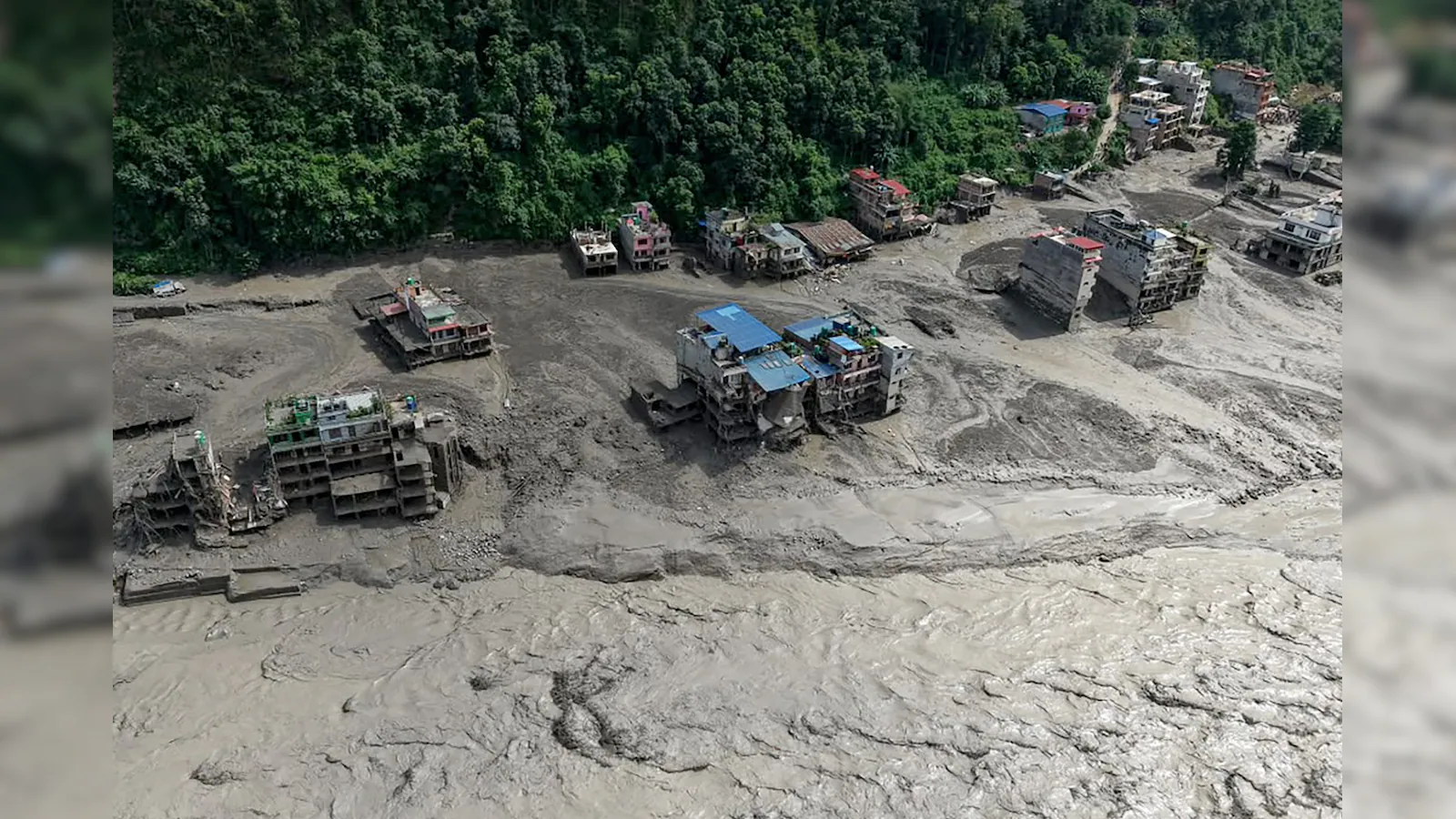
His comments follow a series of devastating flash floods that struck the Nepal-China border region this week. The surge of water, which tore through communities in the Himalayan nation, served as a grim reminder of the region’s extreme vulnerability. Referencing these events, Khanal noted the precarious nature of the mountain ecosystem, where a single glacial or riverine burst can cause widespread destruction downstream.
While recent floods did not reach the Indian plains with the same intensity as in past disasters, Khanal cautioned that this is a matter of fortune rather than permanent safety. “Fortunately, this time the floods have not gone further downstream to actually impact Indian areas bordering Nepal. But this has happened in the past,” he warned.
A Call for Regional Cooperation
The minister emphasized that the geography of the Himalayas binds Nepal, India, China, and Bhutan into a single, interconnected ecosystem. He urged these nations to set aside political rivalries to confront what he characterized as a “civilisational threat.”
“China, Nepal, India and Bhutan are connected by ecology, and our shared survival and future depends on protecting the Himalayan ecology,” Khanal said. “There could be political rivalry, but we have to come together as the Himalayan region is most vulnerable to climate change.”
Risk to Two Billion People
The stakes are high. The Himalayan river systems, including the Gandak (Narayani) and Kosi rivers, are lifelines for millions living in the Indian states of Uttar Pradesh and Bihar. Wednesday’s flooding had triggered significant alarm in these border regions, prompting state administrations to move to high alert.
Beyond the immediate threat of flooding, Khanal pointed to a looming long-term danger: the depletion of freshwater reserves. He warned that current ecological shifts could drastically impact the availability of fresh water for two billion people in the region.
“As things change, there would be more vulnerability,” Khanal added, urging policymakers to recognize that the most pressing issue in the modern era is not just political, but existential. “It’s important how we come together and act,” he concluded, stressing that in the face of a changing climate, the Nepal flash flood serves as a clarion call for integrated, cross-border environmental management.