







Nature Knows No Borders: Massive Flash Floods in Nepal Put India on High Alert
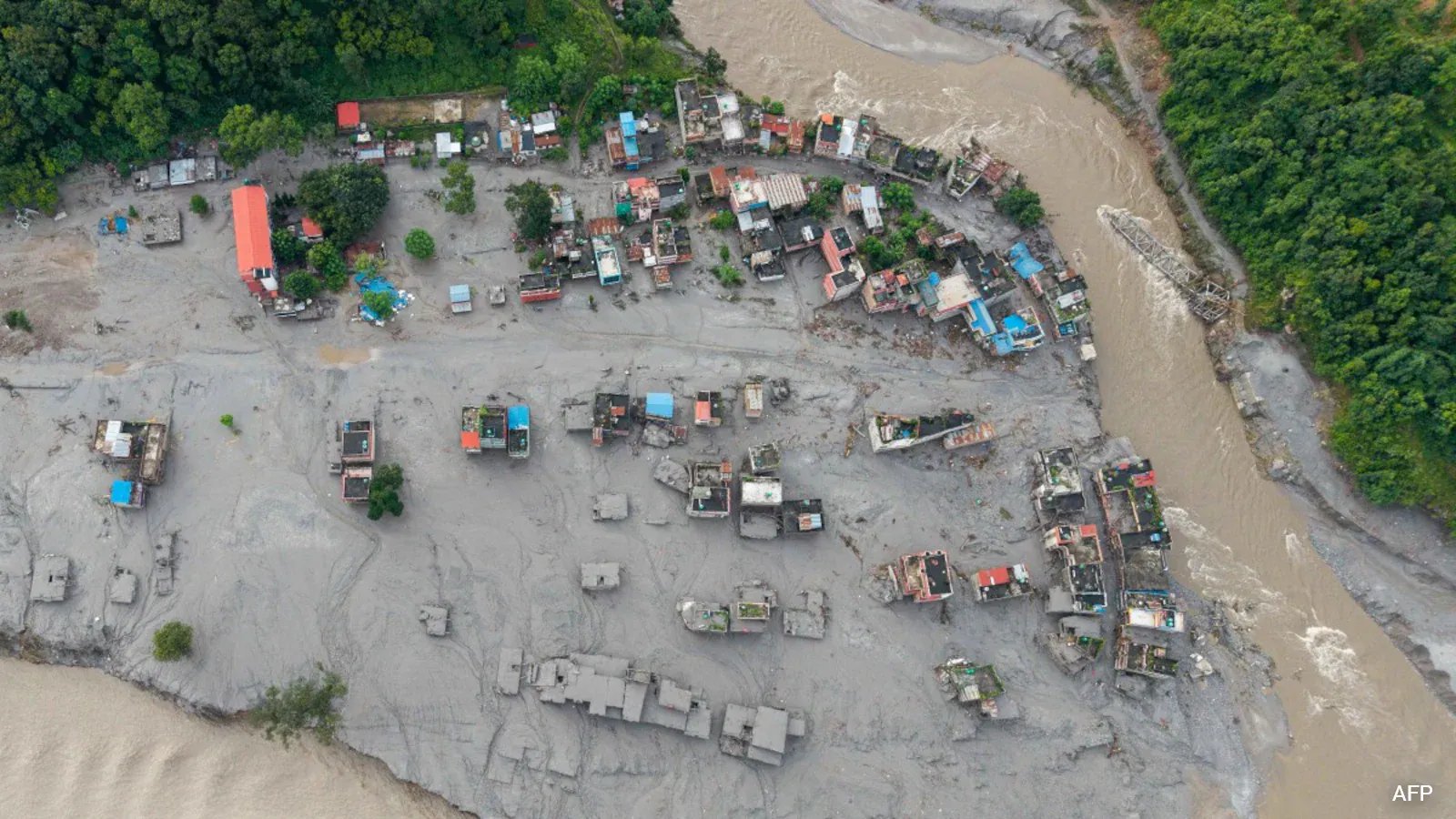
Nature operates by its own laws, indifferent to the political maps, barbed-wire fences, and iron gates that define human civilization. This stark reality is currently unfolding across the Himalayas, where a catastrophic glacial lake outburst in Nepal has sent a surge of floodwaters coursing across international boundaries, placing communities in Northern India at severe risk.
A Shared River, A Shared Risk
In the rugged terrain of Nepal, the waterway is known as the Narayani. As it crosses the border at Triveni Dham into India, it transforms into the Gandak River. This hydrological link acts as a literal pipeline for disaster; what begins as a glacial tragedy in the high-altitude regions near Tibet inevitably flows downstream into the densely populated plains of Bihar and Uttar Pradesh.
According to reports from the Living Waters Museum, the Gandak winds through the Indian landscape before merging with the Ganga at Hajipur and Sonepur. This interconnected basin means that when Nepal faces a crisis, its Indian neighbors are rarely far behind.
The Catalyst: Himalayan Instability
The current emergency was sparked when a glacial lake outburst triggered an avalanche, feeding massive volumes of water into the Bhote Koshi River. This tributary serves as a primary feeder for the Trishuli river system, which ultimately swells the Narayani/Gandak basin.
The devastation in Nepal has been immense, with reports of villages wiped out and infrastructure destroyed. As the country grapples with the aftermath, officials have highlighted a shared flood risk that threatens both nations. Foreign Minister Shishir Khanal noted that the tragedy in the Himalayas represents a “common threat,” as water levels in the Narayani are directly reflected in the downstream flow of the Gandak.
India’s Response: Barrages Opened and Evacuations Ordered
Recognizing the imminent danger, Indian authorities have scrambled to mitigate the impact of the incoming deluge. In Bihar, the state government has placed several districts—including West Champaran, East Champaran, Gopalganj, Saran, Muzaffarpur, and Vaishali—on high alert.
To manage the surge, all 36 gates of the Gandak Barrage in Valmikinagar were opened on Wednesday. Vijay Kumar Choudhary, the state’s Deputy Chief Minister in charge of the Water Resources Department, confirmed that a specialized technical team has been stationed at the barrage to monitor the discharge, which reached approximately 86,000 cusecs by Wednesday afternoon.
Across the border in Uttar Pradesh, the response has been equally urgent. Chief Minister Yogi Adityanath has directed local administrations in Maharajganj and Kushinagar to remain in a state of high vigilance. In Kushinagar, authorities have initiated preemptive evacuations in vulnerable areas, with officials issuing public announcements urging residents to move to higher, safer ground.
As the water continues its relentless journey from the high peaks of the Himalayas to the plains, the situation remains fluid. The crisis serves as a grim reminder that when it comes to the forces of nature, the border between Nepal and India is, quite literally, a riverbed.