





![Hindi Ito Marites: Provisional [mis]understanding on the West Philippine Sea](https://dailysamchar.in/wp-content/uploads/2026/08/Hindi-ito-Marites-TC-ls-vt-compatible-3-1-150x150.jpg "Hindi Ito Marites: Provisional [mis]understanding on the West Philippine Sea")

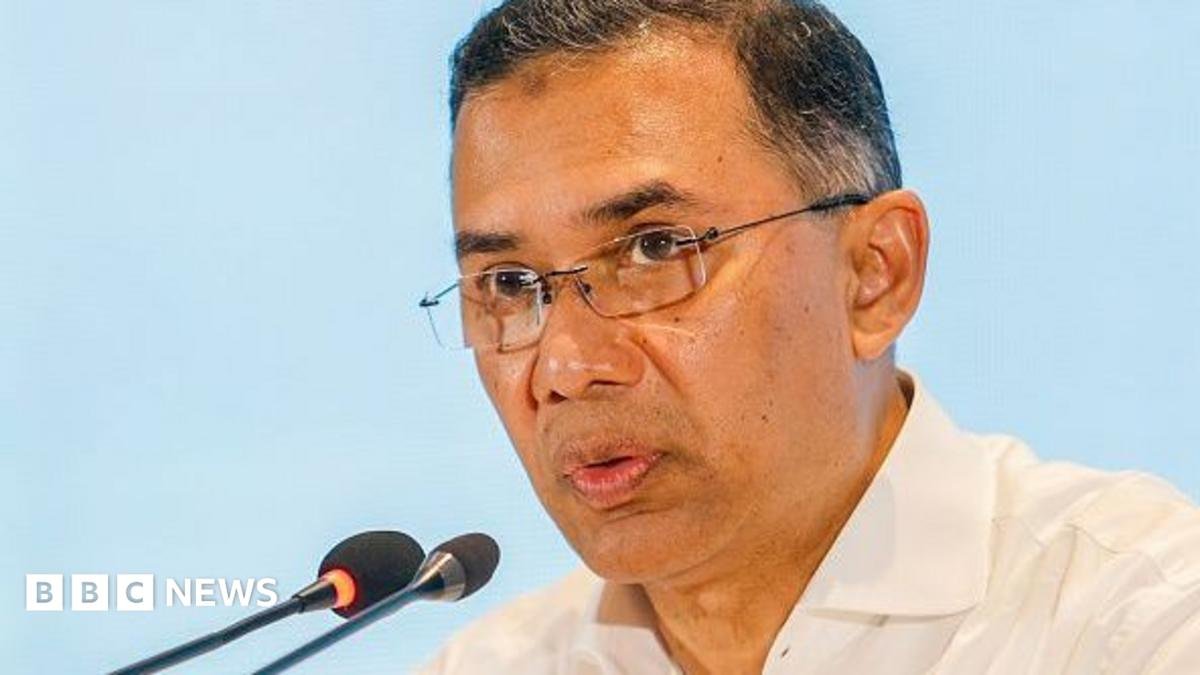
India Extends Olive Branch to Bangladesh Amid Lingering Tensions Over Ousted Leader
NEW DELHI – In a calculated effort to stabilize its fractured relationship with Dhaka, India has launched a diplomatic charm offensive aimed at the new interim government in Bangladesh. Despite persistent bilateral friction, New Delhi is pulling out all the stops to ensure a productive future with the administration led by Muhammad Yunus.
Following his appointment, the head of the interim government received a formal invitation to visit India. Indian High Commissioner to Bangladesh, Pranay Verma, has been actively engaged in high-level discussions with Bangladeshi officials, signaling a clear intent to move past the volatility that followed the political upheaval in August.
A “Memorable Welcome”
In a public display of diplomatic warmth that observers describe as uncharacteristically enthusiastic, Indian officials have pledged that when the Bangladeshi leader makes the trip to New Delhi, he will be “accorded the highest honour” and receive a “memorable welcome.”
The intensity of India’s outreach underscores the high stakes for both nations. Former Indian Foreign Secretary Shyam Saran noted that New Delhi’s efforts—which include the continued supply of essential electricity and fuel, the resumption of trade mechanisms, and the easing of medical visa requirements—demonstrate a commitment to the partnership.
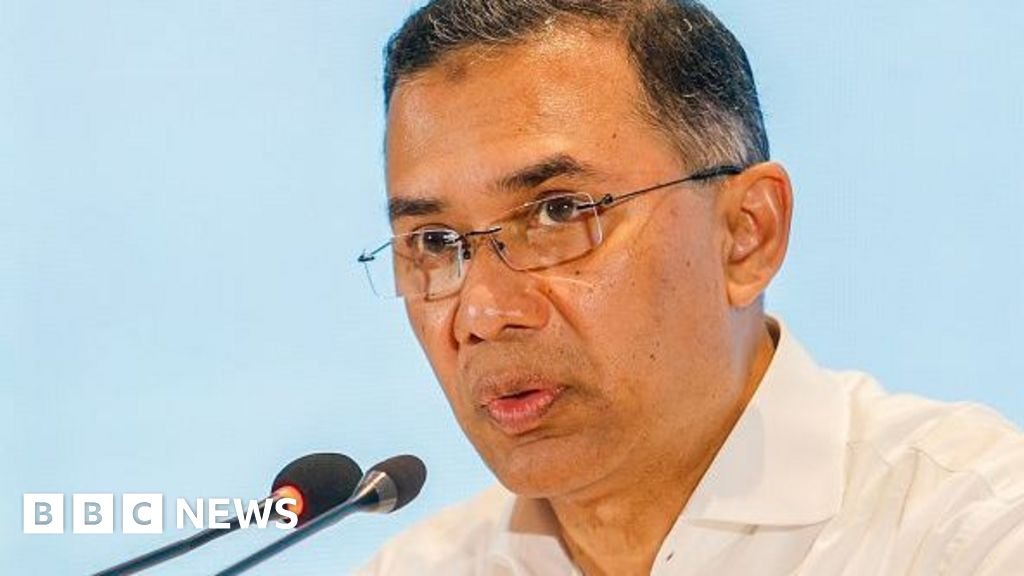
“I would imagine that there is a degree of frustration [in Delhi] because, except for actually handing over Hasina, they have gone pretty far in terms of reaching out to Dhaka,” Saran told the BBC.
The Elephant in the Room: Sheikh Hasina
The primary source of the current diplomatic chill remains the status of former Prime Minister Sheikh Hasina, who fled to India following a violent uprising that ended her 15-year rule. Her ongoing presence in India continues to fuel anti-Delhi sentiment among segments of the Bangladeshi population who view India’s historical support for her regime as an endorsement of authoritarianism.
Tensions flared anew on August 5, when Hasina addressed journalists via a virtual platform hosted by the Foreign Correspondents’ Club of South Asia in New Delhi. During the event, she vowed to return to Bangladesh and accused the current administration of suppressing her political supporters—a move that further complicated New Delhi’s delicate balancing act.
Strategic Imperatives
For India, the relationship with its neighbor is not merely a diplomatic choice but a strategic necessity. The two nations share a 4,096km (2,545-mile) border and have deep-rooted cultural and linguistic ties. Last year, bilateral trade reached over $12 billion, heavily favoring Indian exports.
Beyond trade, Bangladesh is critical to India’s internal security and infrastructure. Over the last decade and a half, the two countries significantly improved regional connectivity through road, rail, and port projects, which have granted India vital access to its landlocked northeastern states. Furthermore, Dhaka had previously cooperated closely with New Delhi by cracking down on insurgent groups that operated along their shared border.
As both nations navigate this volatile transition, the success of these diplomatic overtures will depend on whether New Delhi can convince Dhaka of its neutral intentions—or whether the shadow of the past will continue to obstruct the path forward.
The current instability follows a period of immense unrest in the region, centered on the shifting political dynamics surrounding the Bangladesh crisis, which saw the sudden collapse of a long-standing government and a subsequent scramble to redefine the nation’s democratic future.