









The GLP-1 Revolution: How India’s Eating Habits are Being Reshaped from the Inside Out
The rise of GLP-1 receptor agonists is doing more than just shrinking portion sizes on Indian dinner tables—it is fundamentally rewriting the country’s relationship with food. According to a new study from global ingredients leader IFF, the medication is altering everything from the sensory expectations of a meal to the complex social dynamics of family dining.
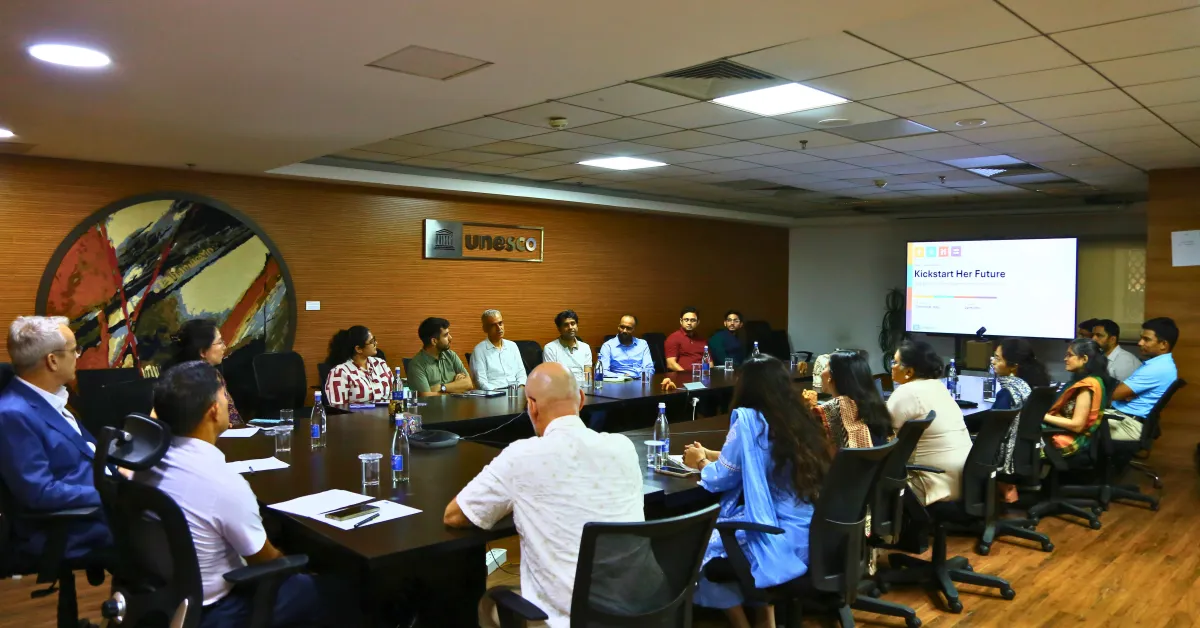
The report, titled “Inside the India GLP-1 Consumer Journey,” was unveiled at IFF’s “Eat Smart Asia: The GLP-1 Shift” symposium in New Delhi. By tracking users across major metropolitan hubs—Delhi, Mumbai, and Bengaluru—the research offers a window into how medical appetite suppression is forcing a massive pivot in consumer behavior, shopping habits, and nutritional demands.
Smaller Portions, Higher Stakes
For the Indian consumer, the physical shift in consumption is stark. The data reveals a significant drop in traditional staples, with daily intake shifting from three or four chapatis to one or two, and rice consumption plummeting from over two bowls to just half a bowl.
However, the report suggests that eating less does not equate to caring less. In fact, the opposite is true: when portions shrink, the importance of every bite intensifies. Consumers are demanding higher nutrient density, superior textures, and greater overall satisfaction from smaller quantities. This has created a “sensory premium,” where 90% of respondents reported changes in how they perceive flavor and texture, and 69% explicitly look for a stronger “flavor impact” to compensate for the reduction in volume.
For the food and beverage industry, the GLP-1 boom presents a critical challenge: innovating products that pack concentrated nutrition and sensory indulgence into a smaller footprint.
The Social Dilemma
Beyond the plate, the medication is creating new friction in India’s traditionally communal dining culture. Nearly two-thirds (64%) of surveyed GLP-1 users report feeling “social eating discomfort.” While many feel alienated by their reduced appetites during family gatherings, they remain unwilling to opt out of these shared experiences. This creates a market opportunity for products that facilitate “normal” participation without the pressure of heavy consumption.
The Household Purchasing Gap
While individual appetites are evolving, the family pantry is moving at a different speed. The study highlights a fascinating disconnect: despite personal changes in diet, 78% of users continue to buy biscuits for their households, and 71% still purchase traditional packaged sweets.
This suggests that while individual dietary needs are changing, the cultural and familial habits of the Indian household—rooted in hospitality and tradition—remain deeply entrenched. Brands cannot simply pivot to “GLP-1-friendly” products; they must navigate the dual reality of an individual looking for health-conscious nutrition and a household still stocking traditional, full-fat, and fried snacks.
The Wellness Shift: Hydration and Scrutiny
The GLP-1 effect has also turned the spotlight on label transparency. With 74% of users now reading labels with intense scrutiny—prioritizing protein content and natural, preservative-free ingredients—brands are under pressure to communicate value more clearly on packaging.
Furthermore, hydration has undergone a “wellness upgrade.” With 74% of users viewing hydration as a core health pillar, there is a clear surge in demand for functional beverages. Ingredients like coconut water and electrolyte-infused drinks are becoming the go-to choices, signaling a shift toward beverages that offer both functional utility and a high-end sensory experience.
Looking Ahead: A New Strategy for Manufacturers
IFF concludes that the GLP-1 shift is not merely a temporary trend for “diet” brands, but a systemic change that mainstream manufacturers must address. As the gap between individual consumption and household purchasing begins to close, food companies that can successfully reformulate products for smaller, nutrient-dense portions—while respecting the social and cultural weight of Indian food traditions—will be best positioned to lead the market.
For now, the message to the industry is clear: the era of “one size fits all” is over. As India’s plates get smaller, the demand for quality, transparency, and social inclusion is growing larger than ever.
Note: The findings of this study are intended for informational purposes and do not constitute medical, nutritional, or healthcare advice.