





Scotland’s Protected Nature Sites Face “Neglect” as Monitoring Plummets
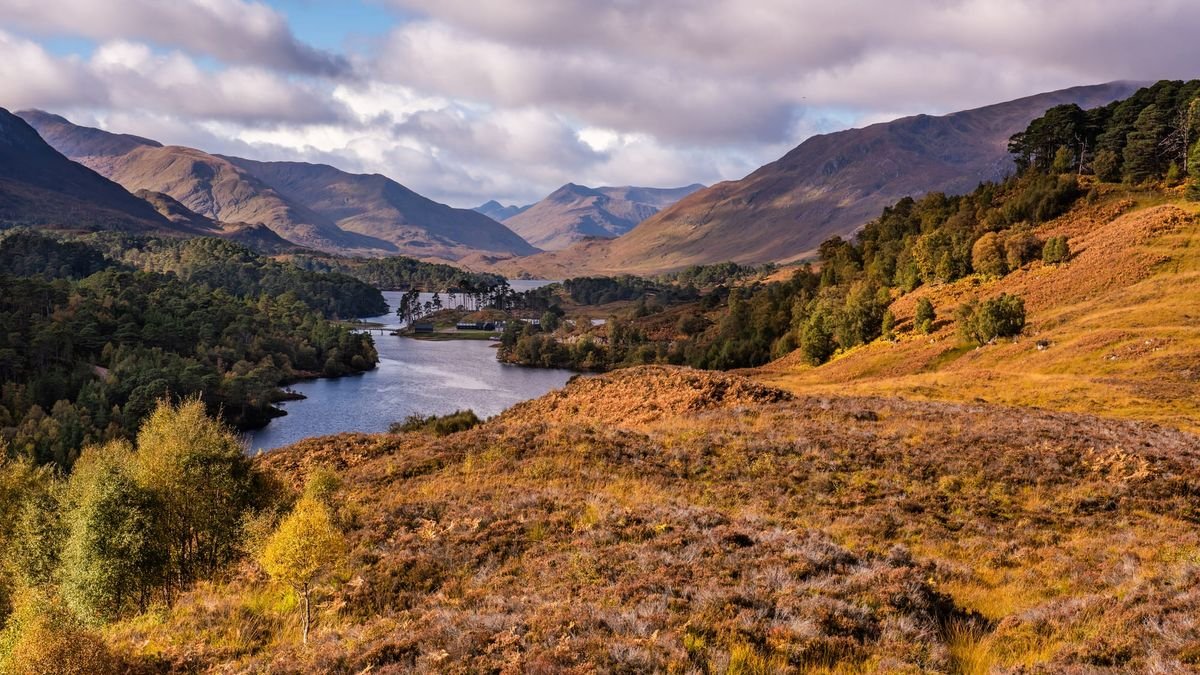
Scotland’s most fragile natural environments—ranging from the towering peaks of the Cairngorms to ancient woodlands and vital peatlands—are facing a crisis of oversight. New figures reveal that the national agency responsible for protecting these sites is monitoring less than three percent of its designated network, raising urgent alarms among conservationists and political leaders.
Data obtained by Scottish Environment LINK via freedom of information legislation shows that in 2025, NatureScot inspected just 54 of the country’s nearly 2,000 protected areas. This represents a stark decline from 2021, when 97 sites—roughly five percent of the network—underwent checks.
The findings have sparked a fierce debate over the state of the nation’s environmental health. Experts argue that without regular assessment, the most fragile natural environments remain vulnerable to unchecked threats such as invasive species, overgrazing by deer, and the accelerating impacts of climate change.
A “Gear Change” Required
Dan Paris, director of policy and engagement at Scottish Environment LINK, warned that the current level of oversight is insufficient to gain a comprehensive picture of Scotland’s ecological health.
“We know from site monitoring that invasive non-native species, overgrazing from deer, and water management are among the biggest pressures,” Paris said. “The stronger the data, the better placed we are to target an effective response. We must make sure that our environmental agencies are given the people and resources they need to halt and reverse the decline of our environment.”
The situation at several well-known locations underscores the lack of current data. For instance, Edinburgh’s Arthur’s Seat—home to the rare maiden pink wildflower—has not seen an official assessment since 2016. Other sites, such as the Forest of Clunie, have seen monitoring for key species like hen harriers lapse for more than a decade, despite these species being classified as in decline.
Political Pressure Mounts
The shortfall comes as Scotland struggles to meet its ambitious “30 by 30” target—a commitment to protect 30 percent of the nation’s land and sea for nature by 2030.
Opposition politicians have been quick to condemn the decline in activity. Mark Ruskell, an MSP for the Scottish Greens, stated: “You can’t protect what you don’t properly monitor. Our nature is too important to be trashed or discarded.”
Claire Baker, the Scottish Labour environment spokesperson, labeled the figures “unacceptable,” urging the Scottish Government to move beyond rhetoric and demonstrate a genuine commitment to biodiversity.
NatureScot’s Response
In response to the findings, a spokesperson for NatureScot acknowledged that the current monitoring regime is falling short. However, the agency insisted that a significant shift is already underway.
“NatureScot is in the process of reforming our approach to protected area monitoring,” the spokesperson said. “We recognise that a monitoring gear change is absolutely necessary.”
The agency plans to roll out a new, modernized system next year, which they claim will be more “effective and efficient.” This new framework aims to move away from site-specific inspections to a broader approach that accounts for landscape-scale threats, such as climate-driven shifts and invasive species.
As conservation groups continue to call for increased funding and capacity, the pressure remains on the Scottish Government to ensure that its environmental agencies possess the tools necessary to protect the nation’s natural heritage before the damage to these habitats becomes irreversible.