







Westminster Council Demands Environmental Review of Oxford Street Pedestrianisation Plan
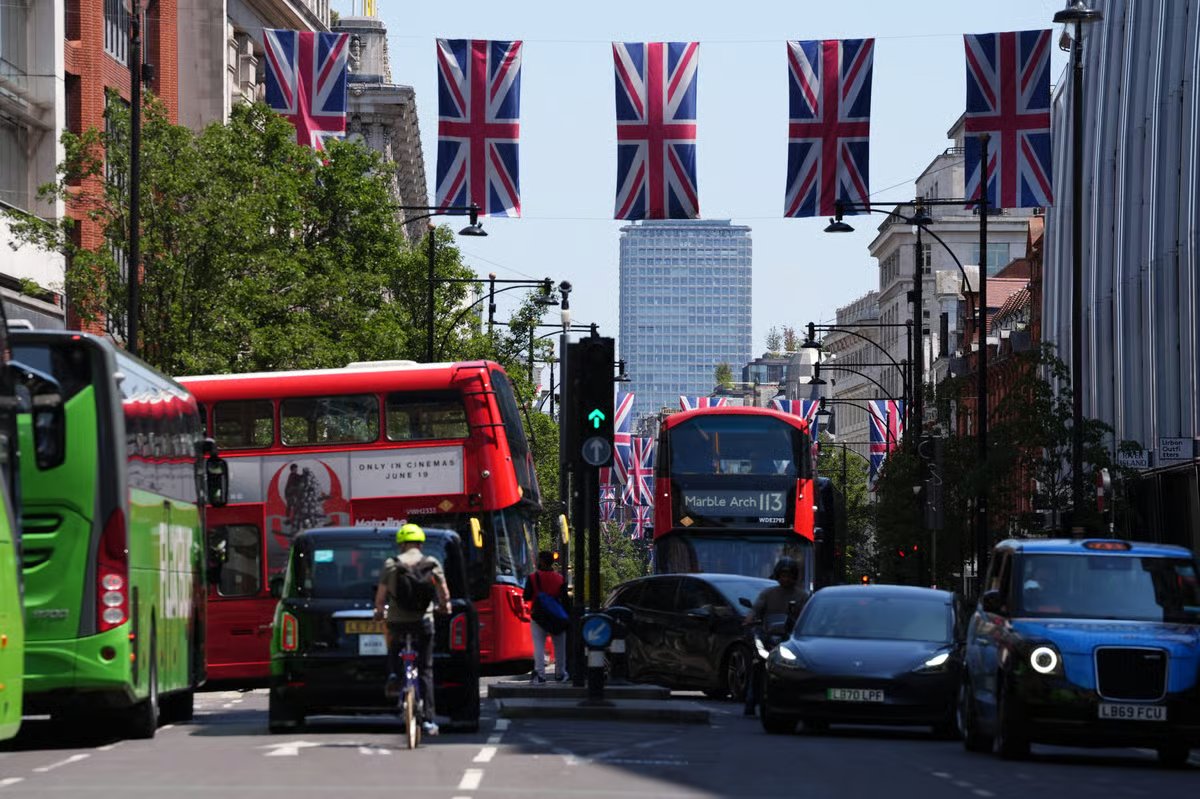
Westminster City Council has formally challenged Transport for London (TfL) over its high-profile plans to overhaul Oxford Street, issuing a stern letter to the Government demanding a comprehensive environmental impact assessment before the scheme proceeds.
The council’s intervention marks a significant escalation in the ongoing tension surrounding the future of London’s world-famous retail hub. While Mayor Sadiq Khan has long championed the transformation of the street into a pedestrian-friendly space, local officials in Westminster are insisting that the potential environmental consequences—ranging from traffic displacement to air quality shifts in surrounding residential streets—must be rigorously scrutinized.
A Controversial Transformation
The push for the pedestrianisation of Oxford Street has been a subject of debate for years. Proponents argue that removing traffic will breathe new life into the district, boosting footfall and improving the safety and experience of millions of shoppers. However, Westminster town hall leaders remain concerned that the current proposals lack the necessary depth to address how diverted bus routes and increased vehicle activity will affect adjacent neighborhoods.
In their formal request to the Government, council representatives argued that a project of this magnitude cannot be pushed through without a full understanding of its ecological footprint. They are calling for transparency and a evidence-based approach to ensure that the ambition to create a “world-class public space” does not come at the expense of local environmental standards.
The Clash Over Oversight
The move puts the council at direct odds with City Hall. TfL, under the direction of Mayor Khan, has been eager to accelerate the project, viewing it as a vital component of the capital’s post-pandemic recovery.
By involving the Government, Westminster is signaling that it intends to use every regulatory tool at its disposal to oversee the project’s development. The council maintains that its priority is to protect the interests of local residents who may face the brunt of traffic congestion if the pedestrianisation strategy is not managed with sufficient care.
As the standoff continues, the future of the flagship scheme remains in a delicate state of flux. Stakeholders are now waiting to see how the Department for Transport responds to the council’s demands, a decision that could either fast-track the iconic street’s redesign or force a substantial redesign of the current planning strategy.