






Temasek Reaffirms Support for Singapore Airlines’ Air India Stake Amid Funding Scrutiny
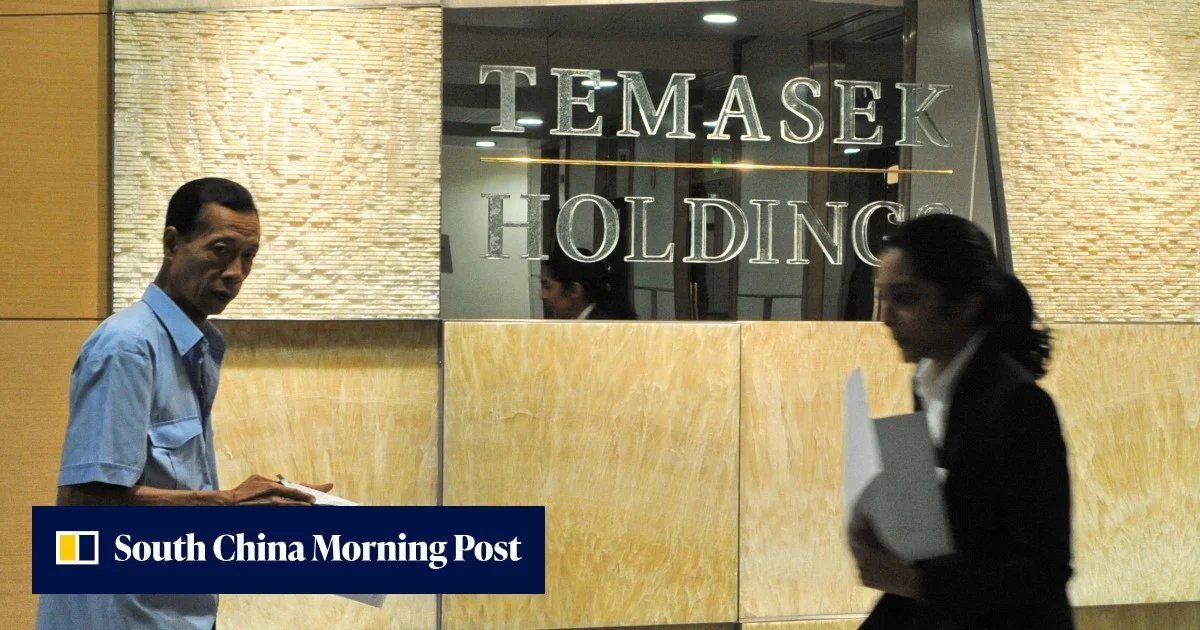
SINGAPORE – State-owned investment firm Temasek Holdings has issued a formal vote of confidence in Singapore Airlines’ (SIA) strategic partnership with Air India, moving to quell growing public and political unease regarding the capital-intensive nature of the Indian carrier’s turnaround.
The intervention follows reports that Air India has requested approximately US$1.5 billion in fresh equity from its stakeholders, Tata Sons and Singapore Airlines. Currently, Singapore Airlines holds a 25.1 per cent stake in India’s second-largest airline, with the remaining majority held by the Tata Group.
Political and Economic Scrutiny
The potential capital injection has sparked debate within Singapore, most notably from Kenneth Tiong, a lawmaker representing the opposition Workers’ Party. Tiong has publicly urged that Temasek—as the majority shareholder of Singapore Airlines—ensure that public funds are not utilized to subsidize the loss-making Indian carrier.
The discourse extended to the local media, with The Business Times recently publishing a commentary that questioned the immediate utility of SIA’s investment. The editorial argued that while the strategic logic of the partnership remains sound, the airline is effectively locked into the venture, as Tata stands as the only viable buyer for its stake. The piece raised concerns over whether the 25.1 per cent holding provides sufficient value beyond a seat on the board and exposure to the airline’s ongoing financial losses.
Temasek’s Long-Term Outlook
In a decisive response to the mounting criticism, Juliet Teo, joint head of portfolio development at Temasek, addressed the concerns in a letter to the newspaper. She emphasized that the state investor remains fully supportive of the deal, viewing the venture through a multi-year, long-term strategic lens.
Teo acknowledged the complexity of the task ahead, noting that Air India is currently undergoing a massive transformation involving significant operational and integration challenges.
“The outcomes are shaped by industry developments and external factors, including airspace disruptions, geopolitical tensions, and fuel price volatility,” Teo wrote, defending the necessity of patience as the airline navigates its restructuring phase.
A Strategic Pivot
For Singapore Airlines, the partnership with Air India represents a critical entry point into one of the world’s fastest-growing aviation markets. Despite the short-term financial pressure and the need for frequent capital top-ups, proponents of the deal argue that it is essential for SIA to maintain a footprint in India to remain competitive against regional rivals.
As the Temasek-backed carrier continues its integration efforts, the pressure remains on the management of both airlines to demonstrate that these substantial investments will eventually yield the promised long-term profitability.