







Apple’s Silicon Pivot: Why the M6 and M5 Ultra Are Just the Prelude to an AI-Driven Future
Apple officially pulled the curtain back on its latest hardware advancements on August 25, 2026, unveiling the base-tier M6 chip and the high-end M5 Ultra. With the new Mac mini and Mac Studio configurations set to hit shelves on September 22, the tech giant appears to be executing a standard hardware refresh. However, industry analysts are looking past these specifications to a more disruptive reality: Apple is fundamentally dismantling its long-standing chip release cadence to prioritize a specialized, AI-first infrastructure.
A Departure from Tradition
For years, Apple has followed a predictable “ladder” strategy: launching a base chip followed by Pro, Max, and Ultra variants. This year, that rhythm has been broken. According to reports from Bloomberg and industry outlets like 36Kr, Apple is skipping the M6 Pro, Max, and Ultra tiers entirely.
Instead, the company is redirecting its massive engineering resources toward a transformative Apple M7 Baltra AI chip roadmap 2026. By fast-tracking the M7 family, Apple is pivoting from treating AI as an “add-on” feature to building a silicon architecture where artificial intelligence is the foundational pillar.
The Rise of “Baltra” and AI Independence
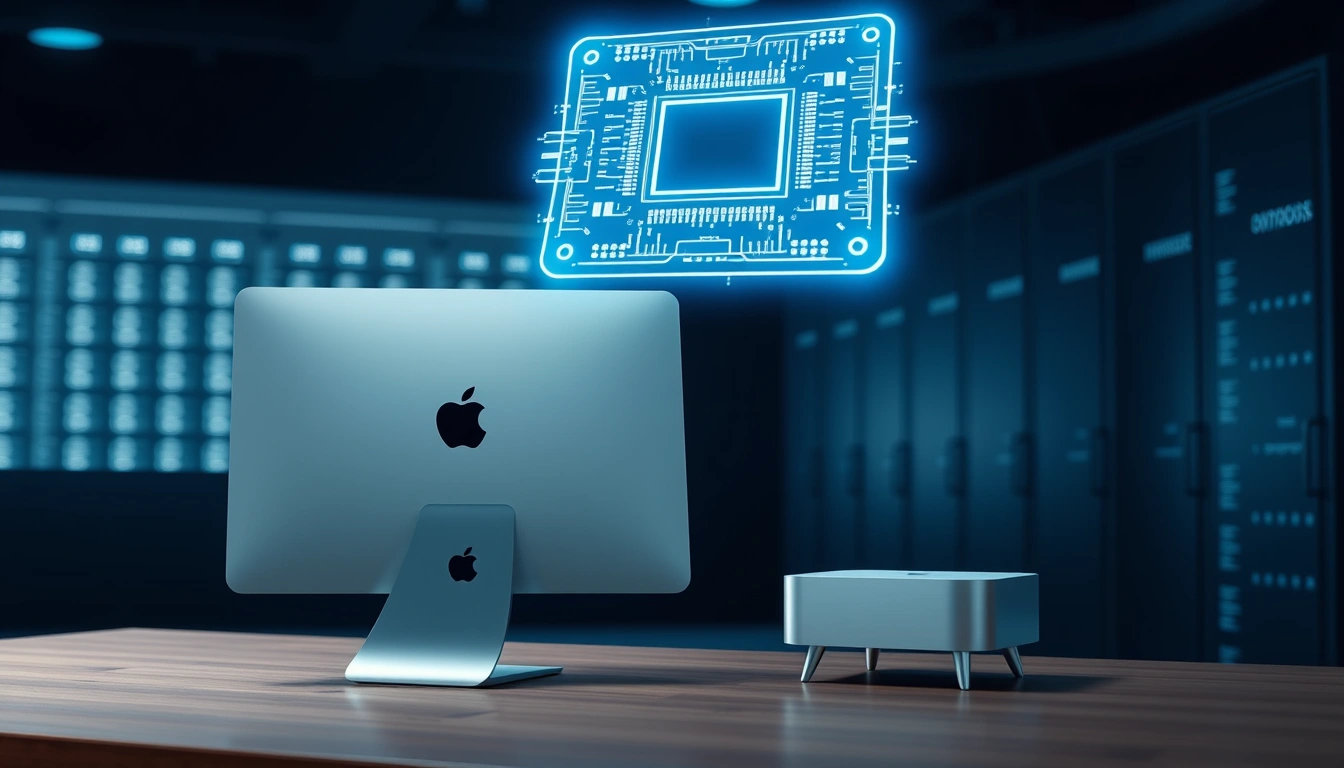
While consumer eyes are fixed on the M5 Ultra—which boasts a staggering 80-core GPU and a massive leap in AI compute—a more strategic project is moving through the shadows. Codenamed “Baltra,” this proprietary AI server chip, developed in collaboration with Broadcom, marks Apple’s attempt to break free from third-party server dependencies.
Industry insiders suggest that Baltra is not intended for consumer Macs but will instead power Apple’s private data centers, which are expected to come online in 2027. By building its own server-side infrastructure, Apple aims to regain control over its AI processing costs and supply chain, mirroring the successful move away from Intel that transformed its Mac lineup in 2020.
Aiming for the Nvidia Benchmark
The ambition behind the upcoming M7 Ultra—expected in 2028—is clear: Apple is positioning its silicon to challenge the high-end AI landscape. With a rumored memory ceiling of 1.5 TB, the M7 Ultra is being designed to run massive, complex AI models locally.
While Nvidia currently dominates the data center with its Blackwell-generation GPUs, Apple’s strategy emphasizes the efficiency of a unified memory pool. By enabling large-scale local AI inference, Apple is attempting to bypass the latency issues inherent in traditional server-based models.
What This Means for the Market
For current buyers, the release of the M6 and M5 Ultra remains a significant performance upgrade for workstation-class computing. However, the omission of a mid-tier M6 range serves as a clear signal to the industry: the competitive battlefield for AI has shifted.
As Intel, AMD, and Qualcomm battle for dominance in the Windows AI PC market, Apple is playing a different game. By integrating its own data center silicon (Baltra) with a high-performance consumer chip architecture (M7), Apple is building a vertically integrated ecosystem that effectively places it in a league of its own.
The Road Ahead
While the M6 and M5 Ultra are the products of today, the M7 family—stretching from 2027 to 2028—represents the future of Apple’s silicon strategy. The shift indicates that for Apple, the race for AI dominance will be won in the silicon labs, not just in software.
For enterprise IT departments and power users, the message is simple: Apple’s current hardware is a bridge to a much more powerful, AI-native ecosystem. As the company continues to refine its roadmap, the gap between consumer-facing hardware and backend infrastructure will likely shrink, ultimately creating a seamless, AI-integrated experience that remains firmly under Apple’s control.