








US Immigration Curbs: Indian Tech Professionals Face Mounting Uncertainty
The landscape for thousands of Indian engineers, scientists, and technology experts aspiring to build a life in the United States is undergoing a seismic shift. The Trump administration’s recent decision to suspend the Permanent Labour Certification Program (PERM) for eight major technology firms—including giants like Microsoft, Infosys, TCS, Wipro, and HCL Technologies—has sent a wave of anxiety through the Indian expatriate community. By freezing new and pending PERM applications, the US government has effectively blocked a primary conduit for H-1B visa holders to transition toward permanent residency and eventual citizenship.
Corporate Resilience Amid Policy Shifts
While the policy change has sparked alarm, industry analysts suggest the actual business impact on these corporations may be tempered. Over the last few years, major Indian IT firms have been strategically reducing their reliance on the H-1B visa pipeline.
Nasscom, the trade body representing India’s technology sector, noted that these companies have significantly accelerated local hiring within the US. Industry data confirms this pivot: Tata Consultancy Services reported a dramatic decline in PERM applications, dropping from over 1,800 in previous years to just two for the 2025-26 cycle. Similarly, Wipro maintains that more than 80% of its US workforce consists of locally hired personnel. Because these firms have already diversified their talent acquisition strategies, brokerage analysts at HDFC Securities believe the revenue impact will remain marginal.
The Human Cost of Policy Tightening
Despite the corporate stability, the human toll of the suspension is profound. For many Indian professionals who have spent years waiting for their green cards, the PERM freeze feels like a closing door.
One senior executive at an affected firm, speaking anonymously, described the situation as an intense personal crisis. Many families have become deeply integrated into American society; their children, having grown up in the US, often identify more with American culture than with their Indian roots. The inability to secure a long-term future in the country they call home has created a state of limbo that transcends mere professional inconvenience.
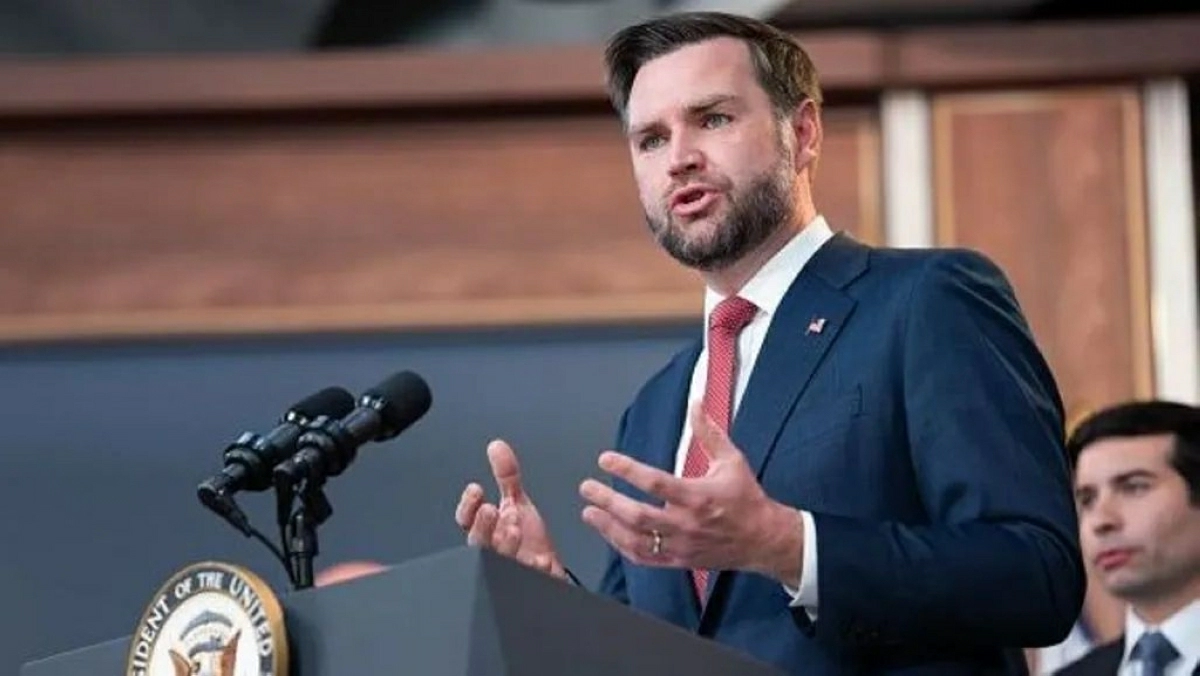
This atmosphere is compounded by a rising tide of online hostility. Researchers at Stop AAPI Hate have documented a sharp uptick in anti-South Asian sentiment following the 2024 US election. The rhetoric from high-level officials, including Vice President JD Vance’s disparaging labeling of foreign professionals as “indentured servants,” has further alienated the immigrant community, drawing sharp rebukes from the Indian Ministry of External Affairs.
A New Reality for Global Talent
For those stuck in the massive backlog of employment-based green card applications—which currently includes nearly one million Indians—the prospects are grim. Projections from the National Foundation for American Policy suggest that wait times for some categories could stretch into decades.
With traditional pathways being restricted, some professionals are exploring alternative routes, such as the EB-5 investor visa. However, these options often require significant capital, which remains inaccessible to many. Furthermore, experts warn that as the US government pursues a more protectionist immigration agenda, even these alternative routes may eventually fall under the regulatory scanner.
As corporations increasingly move projects to India to leverage cost efficiencies and remote-work advancements, the “American Dream” for many Indian tech workers is being redefined. While the global demand for Indian engineering prowess is unlikely to wane, the method by which that talent is utilized is changing. For thousands, the script for a successful career may no longer be written in Silicon Valley, but rather in the evolving tech corridors of their home country.
Disclaimer: This content is auto-generated for informational purposes only.
Source: Read Original News