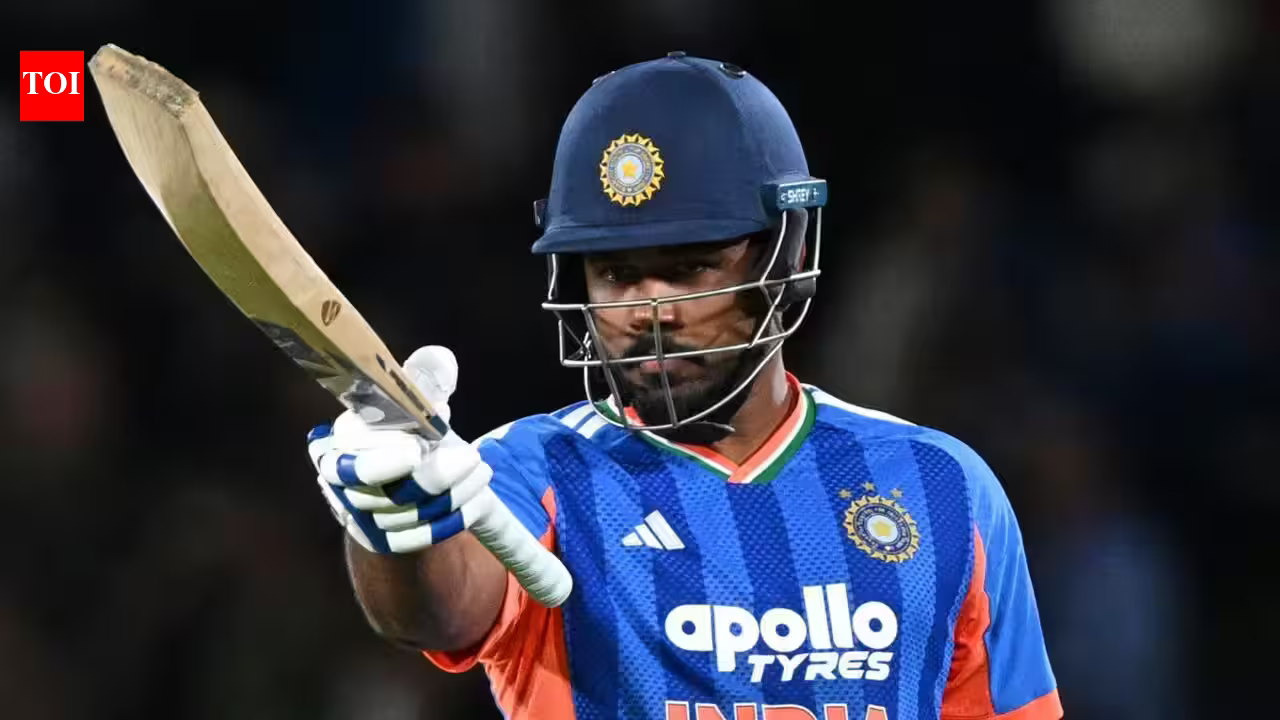








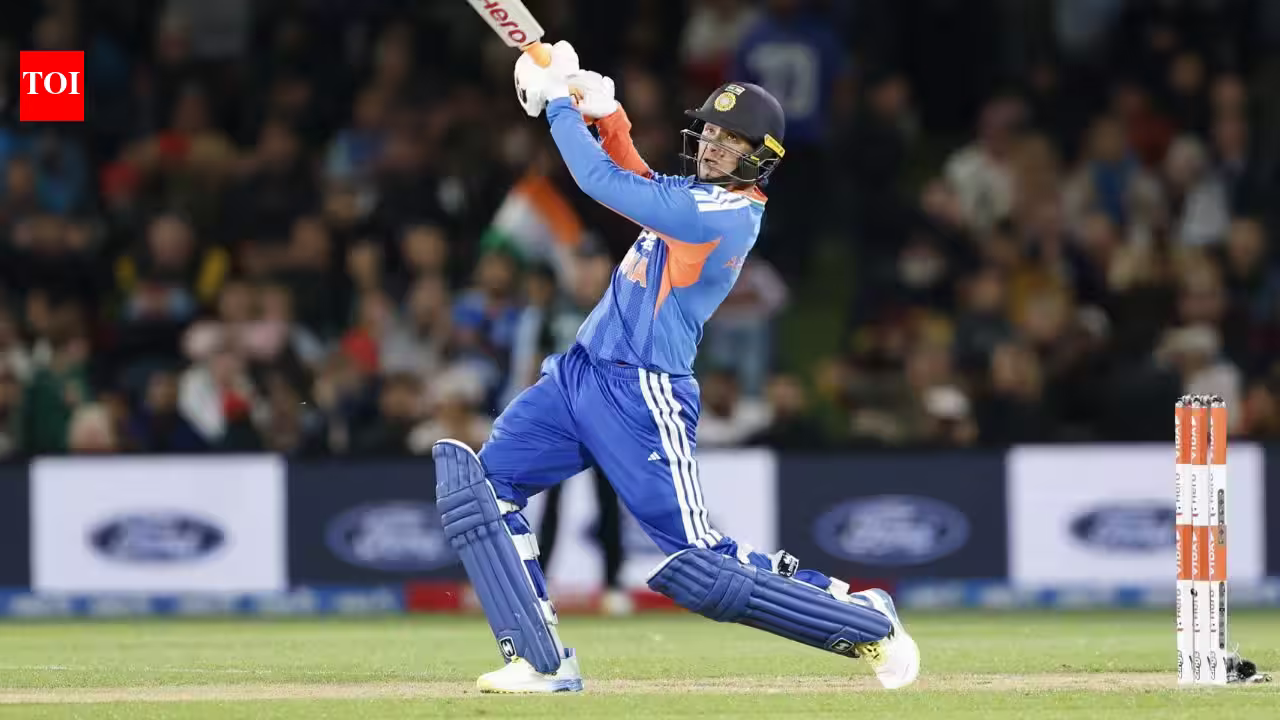
CHRISTCHURCH — In the high-octane theater of international T20 cricket, few things set a pulse racing quite like the opening delivery of an innings being dispatched over the ropes. On Thursday, in a breathless opening clash against New Zealand at Hagley Oval, India’s swashbuckling opener Abhishek Sharma proved once again that he is the undisputed master of this explosive art, etching his name into the history books with a record-breaking flourish.
Facing a daunting task after New Zealand posted a formidable 225/8, India needed a statement start. They found it in the blade of Sharma, who turned the final ball of the opening over into a moment of statistical brilliance. Against a probing full delivery from Matt Henry aimed wide of the off stump, Sharma did not hesitate. With a seamless lofted drive, he cleared the cover boundary, sending a message that this chase would be anything but conservative.
## A New Benchmark for Aggression
That colossal strike marked the seventh time in his T20I career that Sharma has sent the first ball he faced soaring for a maximum. This feat elevates him above Afghanistan’s Shafiqullah Shinwari, who sits in second place on the all-time list with six such instances.
The company Sharma keeps on this leaderboard underscores the sheer audacity of his approach. Fellow Indian sensation Suryakumar Yadav currently holds third place with five such sixes, while legends of the format like Ireland’s Paul Stirling, New Zealand’s own Colin Munro, and the UAE’s Mohammad Naveed have each achieved the feat four times. Sharma’s ability to find his rhythm from the very first strike has become a tactical cornerstone for the Indian side, providing them with the necessary momentum to combat high-scoring totals.
## The Samson-Sharma Powerplay Partnership
Sharma’s assault did not end with his opening fireworks. Partnering with the elegant Sanju Samson, the duo tore into the New Zealand attack, stitching together a blistering 93-run opening stand in just 5.5 overs. Their aggressive intent was calculated, yet ruthless, putting the pressure firmly back on the Black Caps.
This partnership, while ultimately halted when Michael Bracewell removed Sharma for 29 off 12 balls, carried added significance. It marked the pair’s fifth 50-plus opening stand in the 2026 calendar year, a milestone that ties them with two other iconic Indian combinations: KL Rahul and Rohit Sharma (2021) and the dynamic 2025 duo of Abhishek Sharma and Shubman Gill. This consistency at the top of the order has become a defining characteristic of India’s current white-ball setup.
## A Challenging Night for the Indian Bowlers
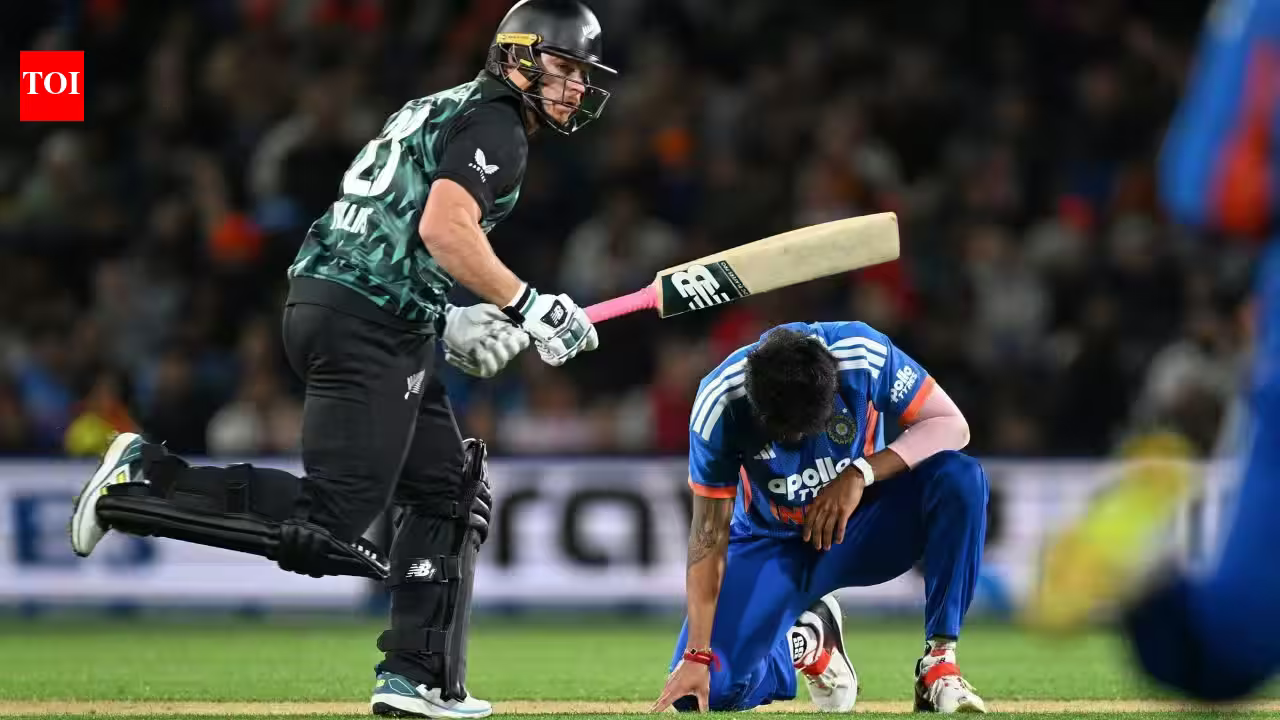
While the batters provided the fireworks, the first half of the match belonged to New Zealand. The hosts put on a clinical display of power-hitting, finishing with 225/8—a total that serves as the joint-highest ever recorded against India in T20I history and a record high for the Black Caps on home soil.
Finn Allen set the tone early with a blistering 45 off 24 balls, but it was Glenn Phillips who provided the final, destructive flourish, finishing unbeaten on 82 from just 40 deliveries. With strike-bowler Jasprit Bumrah absent from the lineup, the Indian attack appeared uncharacteristically toothless. Despite a promising start with some early swing movement, the bowlers failed to tighten the screws during the pivotal death overs, with New Zealand plundering 67 runs in the final five-over stretch.
The evening was a difficult one for the bowling unit, leading to an unwanted historical footnote. For the first time in an Indian T20I, five different bowlers conceded 40 or more runs in a single innings. Axar Patel endured a particularly punishing spell, finishing with 1/51, while veteran Bhuvneshwar Kumar leaked 49 runs. Arshdeep Singh conceded 45, and both Mayank Yadav and Nitish Reddy were dispatched for 40 runs apiece. This collapse in discipline reflects a growing trend, marking the 13th time in men’s T20I history that a bowling side has suffered such a collective statistical setback.
## The Chase Continues
As the floodlights intensified over Christchurch, the match remains balanced on a knife’s edge. While the early loss of Sharma’s wicket was a significant blow, the momentum generated by his record-breaking start has allowed the Indian middle order to keep pace with the daunting required run rate. At the time of writing, India sits at 128/4 after 11 overs.
Regardless of the final outcome of the match, the headlines in the cricketing world today belong to Abhishek Sharma. His penchant for immediate destruction has redefined the role of the T20 opener, turning the first ball of a contest from a period of observation into a genuine scoring opportunity. In a format defined by the margins of a few deliveries, India’s new record-holder has once again proven that he is the most dangerous starter in the game.
Disclaimer: This content is auto-generated for informational purposes only.
Source: Read Original News