








Agony and Uncertainty: Families Search for Answers as Hundreds Go Missing in Himalayan Flash Floods
For Sudipto Bhattacharya, the silence from his wife, Subhrasree Chakraborty, has been deafening. The last communication he received arrived at 08:03 local time on Wednesday: a brief, expectant message stating, “We are waiting to enter China.”
Just six minutes earlier, she had shared a photograph of her passport stamped with an exit visa, signaling the successful completion of immigration formalities at the Nepal border. Then, the messages stopped.
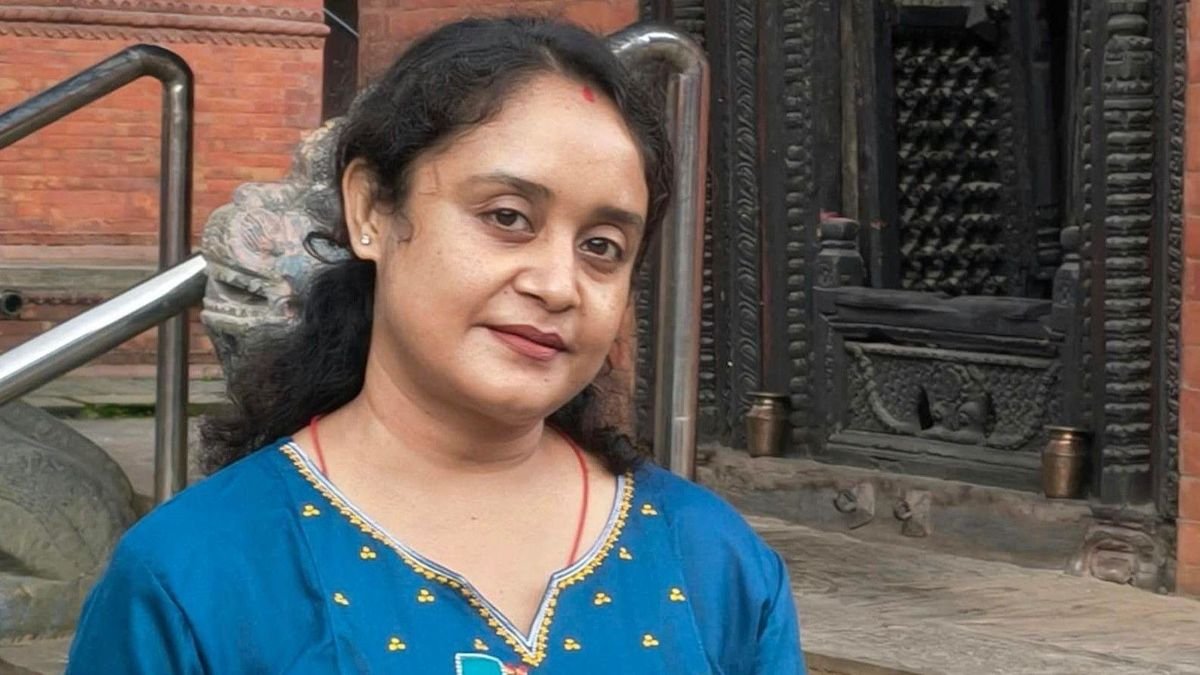
Subhrasree, a 43-year-old medical technologist from Kolkata, is now among at least 290 Indian nationals reported missing following catastrophic flash floods that decimated the border region between Nepal and Tibet. She was part of a 30-member group on a pilgrimage to Mount Kailash—a sacred site in the Himalayas and a lifelong dream for many Hindus.
A Dream Trip Turned Into a Nightmare
The pilgrimage, which had faced years of disruption due to the Covid-19 pandemic and geopolitical tensions between India and China, recently resumed, drawing thousands of devotees once again. For Subhrasree, the journey was the culmination of years of anticipation. Photographs sent just days prior captured her excitement, showing her smiling in the historic courtyards of Kathmandu and posing near the ancient architecture of Durbar Square.
Her husband, a government officer, remains tormented by the lack of information. “After 08:03 am, what happened? We don’t know anything,” he says, describing the agonizing sleepless nights spent monitoring his phone for any sign of life.
Despite the rugged nature of the trip, Subhrasree was considered physically fit and well-prepared for the elements. She was an experienced critical care worker, comfortable with high-pressure environments. However, the sheer scale of the disaster—which has now seen the death toll climb to 475—has left families in the dark.
Widespread Uncertainty
The plight of the Bhattacharya family is mirrored by that of the relatives of Rina Banerjee, a 54-year-old private tutor. Like Subhrasree, Rina was an experienced traveler who was thrilled to be embarking on the long-awaited pilgrimage.
Her nephew, Dwaipayan Mukherjee, notes that the family has no confirmation of whether she reached the Chinese side of the border or remained in Nepal when the floodwaters struck. While the tour operator provided a group photo of Rina outside the Nepal immigration office, no further updates have been forthcoming.
“We don’t know whether they crossed the border or not,” Mukherjee says. “Whether they were on the Chinese side or the Nepal side, we are still wondering.”
A Call for Clarity
As the disaster continues to unfold, families are desperately pleading for information. Subhrasree’s name, along with others from the group, appears on an official list of missing people maintained by the Nepal government. Yet, the list provides little comfort without context.
Bhattacharya is calling for direct intervention and transparency. “Please get me a list from the Chinese government,” he urges. “Missing, dead, and rescued. We need an update.”
For now, the fates of Subhrasree, Rina, and hundreds of others remain shrouded in uncertainty. While the search operations continue, the families left behind are caught in a painful limbo, waiting for a definitive answer to a single, haunting question: Did their loved ones make it across the border?