







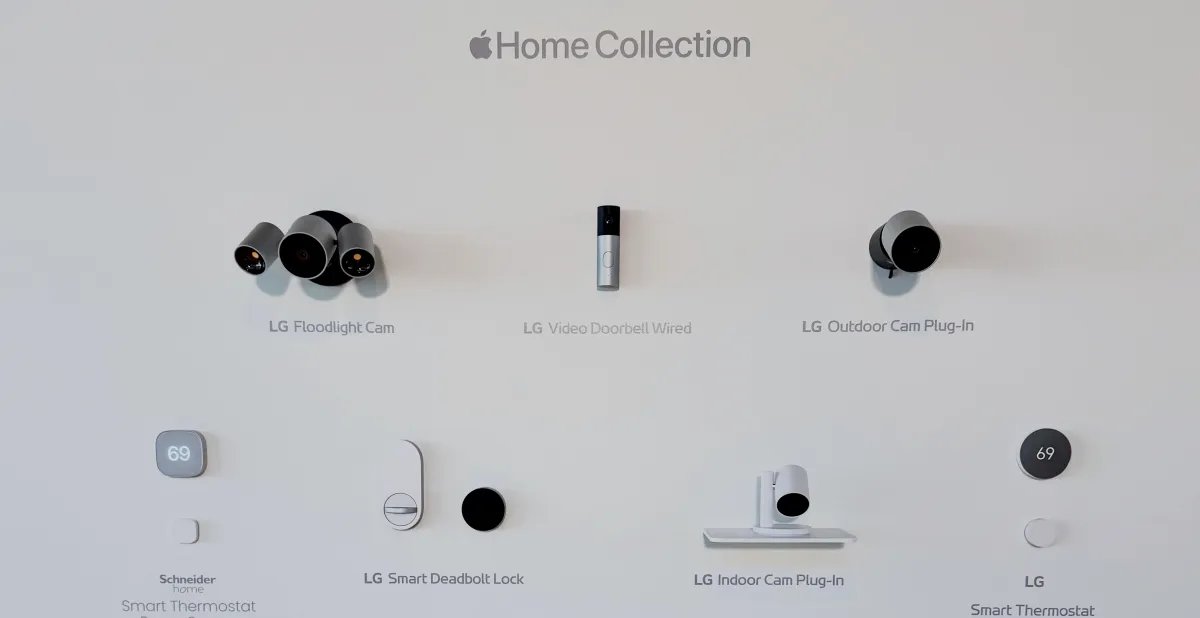
For more than a decade, Apple has encouraged third-party manufacturers to build smart home devices compatible with its ecosystem. This week, the company shifted that strategy by launching its own branded hardware lineup. The Apple Home Collection includes a series of cameras, thermostats, sensors, a smart door lock, and a video doorbell, all developed in partnership with LG Electronics and Schneider Electric. These new additions arrive alongside HomeView, Apple’s debut smart display, which serves as a centralized hub for the company’s home automation efforts.
A New Strategy for the Smart Home
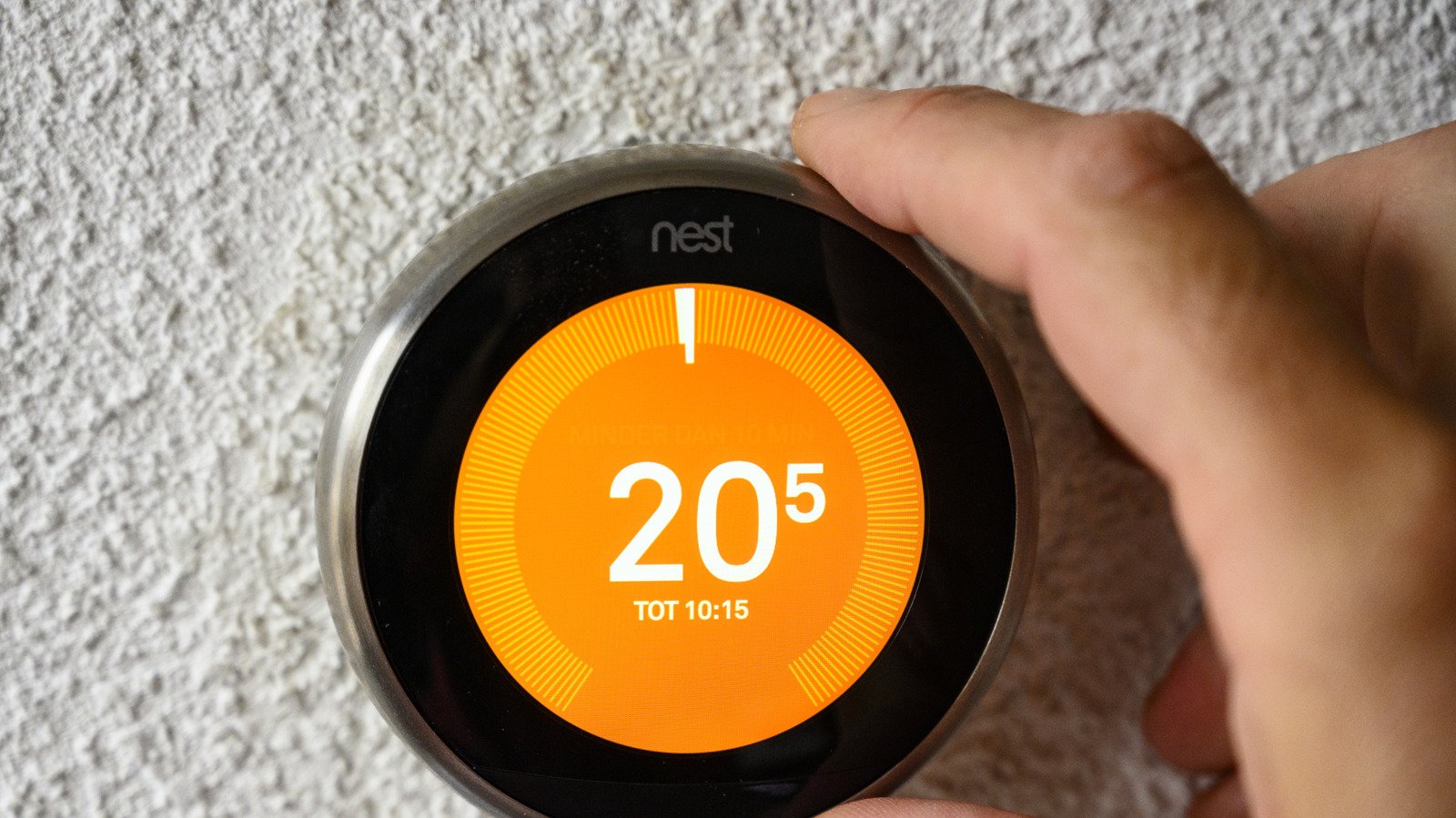
Even after 12 years of HomeKit, Apple’s smart home footprint has remained fragmented compared to competitors like Amazon’s Ring and Google’s Nest. While those companies capitalized on vertically integrated hardware and software, Apple relied on a broad, decentralized ecosystem. The introduction of the Home Collection marks a pivot toward a curated, first-party experience.
Kaiann Drance, vice president of product marketing for home at Apple, notes that the timing is driven by the maturation of two critical technologies: the Matter interoperability standard and the evolution of a more conversational, AI-driven Siri. These tools allow for a cohesive experience that Apple claims was previously impossible to deliver. The objective is to position HomeView as a primary gateway, drawing users into the broader ecosystem through a high-utility device that handles music, cooking recipes, and calendar management, eventually encouraging the adoption of peripheral security and climate control products.
Curating the Consumer Experience
Until now, navigating the Apple Home ecosystem was akin to a buffet; users selected from a wide array of compatible brands and were responsible for ensuring interoperability. The Home Collection acts more like a “chef’s choice” menu. By working directly with LG and Schneider Electric, Apple is establishing a set of products that it guarantees will work seamlessly.
This move does not signal an end to third-party support. Apple remains committed to the Matter standard and the wider Works with Apple Home ecosystem. Instead, the collection is designed to solve common pain points, such as complex setup processes and inconsistent user interfaces. The products feature a simplified pairing process—similar to the one-tap setup found on AirPods—and do not require users to register for separate accounts with third-party manufacturers. Furthermore, privacy is a central tenet; all device data is end-to-end encrypted, and everything is managed directly within the Apple Home application.
The Role of Advanced Connectivity
The hardware within the Home Collection leverages modern standards to solve reliability issues that have historically affected smart homes. Each device in the lineup supports the Thread networking protocol, which allows for decentralized, robust communication between devices, ensuring they remain connected even if a local Wi-Fi network fails.
The security components, such as the new smart lock, incorporate advanced features like ultra-wideband (UWB) technology for hands-free, secure access. Meanwhile, the thermostats are designed to integrate with Apple’s Clean Energy Guidance and Adaptive Temperature features, which automate climate control based on the user’s location and daily schedule. Notably, while most of the collection adheres to the Matter standard, the cameras currently rely on Apple’s HomeKit Secure Video. This suggests that while the hardware is likely prepared for future standards, Apple is prioritizing its own encrypted storage solution for video at this time.
Overcoming Market Barriers
Despite the promise of a simplified user experience, Apple faces significant headwinds. Research from firms like Parks Associates indicates that the primary barriers to smart home adoption remain high costs, security concerns, and perceived complexity. With prices for the new collection starting at $200, Apple is positioning these devices as premium, reliable, and secure investments rather than budget-friendly entry points.
Furthermore, the market for smart displays is already saturated. Many households have long-established relationships with Amazon or Google, and the current incompatibility of rival devices with the HomeView display at launch may limit its initial appeal to existing power users of the Apple ecosystem.
The Long-Term Objective
The Home Collection represents an attempt by Apple to capture the “consumer relationship” within the home. By providing a reliable, branded path into smart automation, Apple aims to increase the stickiness of its ecosystem. While it is unlikely to displace the market dominance of Amazon or Google overnight, the strategy targets the high level of loyalty found within the existing Apple customer base.
By combining the simplicity of hardware design with the intelligence of a refreshed Siri, Apple is attempting to transform the smart home from a technical challenge into an intuitive utility. The success of this move will depend on whether this “curated path” provides enough value to convince users that a unified, Apple-centric smart home is worth the investment compared to the more diverse, albeit complex, status quo. The company is betting that once users experience a simplified, integrated smart home, the benefits will outweigh the initial cost.
Disclaimer: This content is auto-generated for informational purposes only.
Source: Read Original News