






Unsealed Documents Reveal State Farm Saved Billions by Denying Weather-Related Claims
A cache of recently released court documents has shed new light on the aggressive internal strategies employed by State Farm, fueling a high-stakes legal battle that has embroiled the insurance giant and nearly 1,000 homeowners for years.
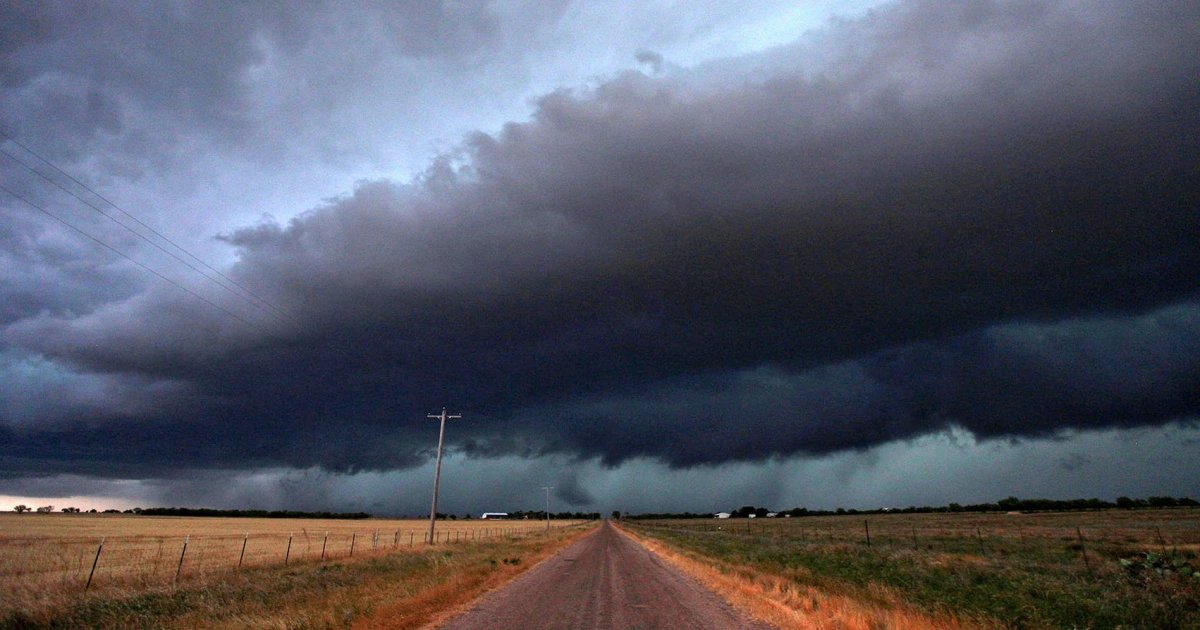
The documents, which were made public last week, appear to be at the center of a contentious litigation effort focused on how the company handles catastrophic weather claims. At the heart of the controversy are allegations that the insurer systematically lowballed payouts to policyholders following major storm events, effectively boosting its bottom line at the expense of those it was contracted to protect.
According to the filings, these unsealed court documents suggest that the insurance titan may have saved an estimated $1.4 billion by strategically reclassifying the nature of damages sustained by properties during extreme weather.
Years of Legal Tension
The release of these records marks a significant turning point in a protracted legal saga. For years, plaintiffs—a coalition of homeowners who faced significant property damage—have argued that State Farm intentionally misrepresented the cause of destruction to avoid footing the bill for comprehensive repairs.
The homeowners contend that the company’s internal protocols incentivized adjusters to minimize payouts, often citing “wear and tear” or “maintenance issues” rather than the wind or hail damage that would typically be covered under standard policies. With nearly 1,000 plaintiffs involved, the class-action style disputes represent one of the most significant challenges to the company’s claims-processing reputation in recent memory.
Industry Scrutiny
Industry analysts are closely monitoring the fallout from the released materials. If the allegations of systemic underpayment are proven in court, the findings could set a dangerous precedent for the insurance industry, potentially triggering a wave of regulatory investigations into how other major providers handle claims in the face of increasingly frequent climate-driven disasters.
State Farm has maintained its commitment to fulfilling policy obligations, but the newly surfaced evidence complicates their defense, providing plaintiffs with a granular look at internal communications that may contradict the company’s public stance on fair adjustment practices.
As the legal proceedings continue, the focus will likely shift to whether these financial savings were the result of legitimate risk assessment or a calculated effort to insulate the company from its contractual responsibilities. For the thousands of homeowners still waiting for resolution, the documents provide a long-sought glimpse into the “black box” of insurance adjusters, bringing them one step closer to potentially holding the industry leader accountable.