





Consumer Concerns Mount as ‘Sustainable’ Salmon Farms Found Breaking Rules
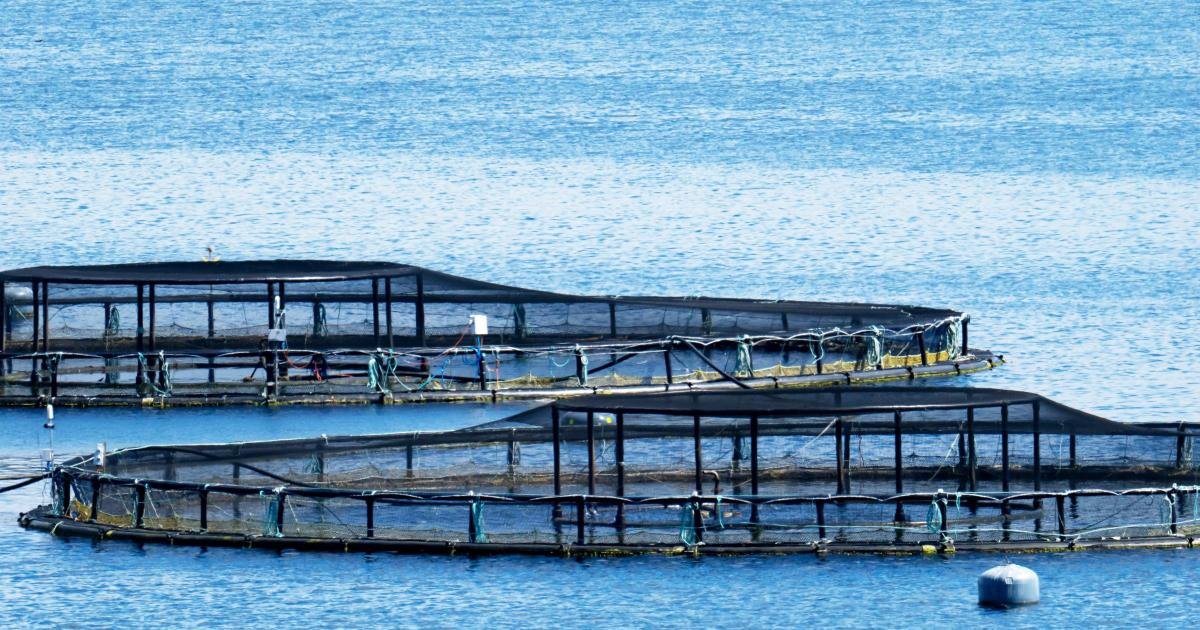
A major investigation has revealed that fish farms certified by the Aquaculture Stewardship Council (ASC)—the organization behind the prominent “green tick” label—have repeatedly breached industry standards. Despite the ASC’s public-facing promise of “highest standard” practices, reports indicate that numerous certified sites have failed to uphold the environmental and social criteria they claim to follow.
Repeated Breaches and “Systemic” Failures
The inspection reports, spanning into 2025, highlight a troubling pattern of non-compliance across various Scottish farms. Among the violations documented are months-long sea lice infestations, the use of unauthorized and unsafe equipment, and the systemic misdeclaration of fish mortality rates.
At a Mowi farm in Loch Etive, inspectors discovered an unauthorized device—dubbed “the Reaper”—being used to remove dead salmon. The equipment was found to be “sucking up” and killing living wrasse, a cleaner-fish species introduced to help manage lice. In other instances, Bakkafrost farms were cited for repeatedly failing to provide accurate death tolls, a metric critical for regulators monitoring the health of marine environments.
Critics point out that these are not isolated incidents. Many farms were found to have committed “systemic” or repeat breaches—such as consistent lice infestations and inaccurate record-keeping—over consecutive years without losing their prestigious green accreditation.
A “Cosy Arrangement”?
The discovery has sparked fierce criticism from environmental campaigners and animal welfare advocates. Abigail Penny, executive director of Animal Equality UK, described the situation as a “cosy little arrangement,” warning that the certification system is misleading consumers who pay a premium for products they believe to be ethically sourced.
Industry insiders suggest the flaws are baked into the system’s economic model. Because the certification body is funded by the very companies it inspects, there is an inherent conflict of interest. Mark Borthwick, a former auditor for the Soil Association, noted that this structure places a “downward pressure on standards,” where the incentive is to maintain the relationship rather than enforce rigorous compliance.
The “Revolving Door” of Inspectors
Further scrutiny has been directed at Lloyd’s Register Quality Assurance (LRQA), the company contracted by the ASC to audit Scottish farms. An investigation revealed that a significant portion of LRQA’s inspection team previously held roles within the aquaculture industry.
In some cases, the lines between inspector and industry employee appear dangerously blurred. LinkedIn profiles suggest one “technical expert” worked for a fish farming company and LRQA simultaneously, while other senior auditors transitioned directly from decades-long careers in the sector to positions where they are now responsible for certifying their former employers’ sites.
The Industry Defense
When approached for comment, the ASC maintained that its “continuous improvement approach” is designed to help farms fix issues rather than punish them. They argued that suggesting a farm should lose its green tick for a “non-conformity” fundamentally misunderstands the purpose of an independent certification system.
Salmon Scotland, the industry trade body, echoed this sentiment, stating that the ASC certification adds a layer of scrutiny and encourages transparency. However, as sustainable salmon farms continue to operate with the green tick despite documented rule-breaking, questions remain about the validity of the label and the ability of such schemes to offer true accountability for the environment.