







Trump Targets Meatpacking ‘Monopoly’ to Ease Beef Prices, Empower Ranchers
WASHINGTON — Facing the smallest U.S. cattle herd in 75 years, the Trump administration is initiating a two-pronged strategy to combat surging grocery prices: temporarily relaxing import barriers while simultaneously launching a direct assault on the meatpacking industry’s market dominance.
President Trump announced on Friday that he would waive tariffs on imported ground beef for 90 days. The temporary measure is designed to provide immediate relief to consumers struggling with historically high prices at the meat counter. However, the decision has drawn sharp criticism from domestic producers and some GOP lawmakers, who argue that flooding the market with foreign beef undermines the very ranchers currently struggling to rebuild the national herd.
In an effort to appease frustrated farm-state stakeholders, the President revealed he is drafting legal measures to grant farmers and ranchers the “right to process their own food.” Trump framed this policy as a pivotal effort to dismantle what he characterized as a “nasty monopoly” within the meat industry.
Breaking the ‘Bottleneck’
At the core of the controversy is the extreme concentration of the U.S. meat supply chain. Currently, four corporations—Cargill, Tyson Foods, JBS USA, and National Beef Packing Co.—control roughly 85% of the nation’s meat-processing capacity.
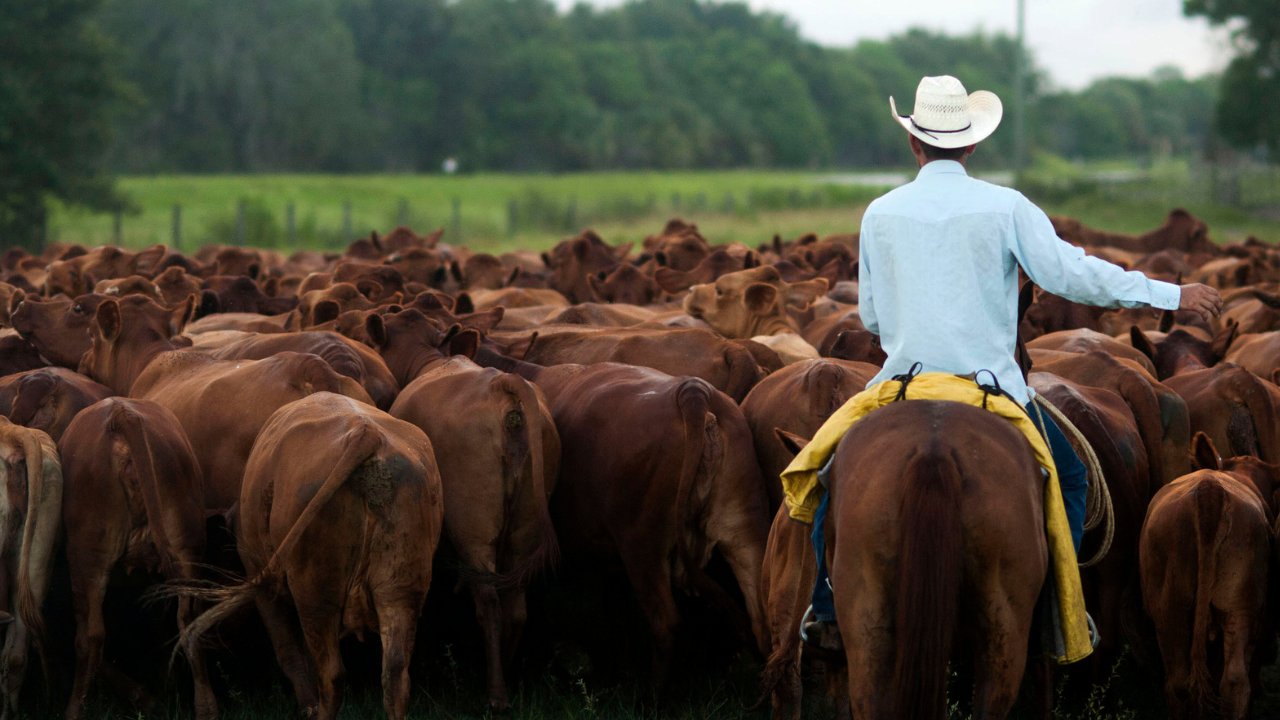
For years, ranchers have argued that this consolidation creates a systemic bottleneck. Because most beef intended for commercial sale must pass through a limited number of federally inspected facilities, smaller producers are often left with few buyers for their cattle and little leverage to negotiate fair prices.
“The fight is not only about imports; it is about who controls the path from pasture to plate,” industry observers note. By attempting to reduce the “red tape” associated with federal processing requirements, the administration hopes to create alternative market channels for ranchers to process and sell their products directly, potentially bypassing the major meatpacking conglomerates.
A Difficult Balancing Act
Agriculture Secretary Brooke Rollins confirmed that the administration plans to begin rolling out specific policy actions on Monday. The initiative aims to support smaller-scale processors and expand the ability of ranchers to sell their products across state lines.
The administration’s intervention comes at a time when the domestic beef supply is critically thin. Years of drought, high operational costs, and widespread herd liquidation have left the nation with its lowest cattle numbers in seven decades. Industry experts warn that rebuilding the herd is a slow, expensive process, meaning that the current supply crunch—and the resulting price pressure—is likely to persist for years.
This reality places the White House in a precarious position. The administration must balance the urgent political need to lower consumer grocery bills with the long-term necessity of supporting U.S. cattle producers.
As the debate continues over the best way to handle this beef price squeeze, the President’s focus on the meatpacking giants offers a populist solution that shifts the narrative away from trade policy and toward the competitive landscape of the American food supply chain.