








Faf du Plessis Reflects on ‘Sandpaper Gate’: A Critical Look at Australia’s Response Eight Years Later
Eight years after the infamous “Sandpaper Gate” scandal rocked the foundations of international cricket, former South African captain Faf du Plessis has provided a candid retrospective on the event. Speaking on the Beyond the Boundary podcast with former pacer Vernon Philander, du Plessis argued that while the ball-tampering incident was a serious error in judgment, the subsequent fallout was exacerbated by poor crisis management and unnecessary political interference.
A Sympathetic View of the Perpetrators
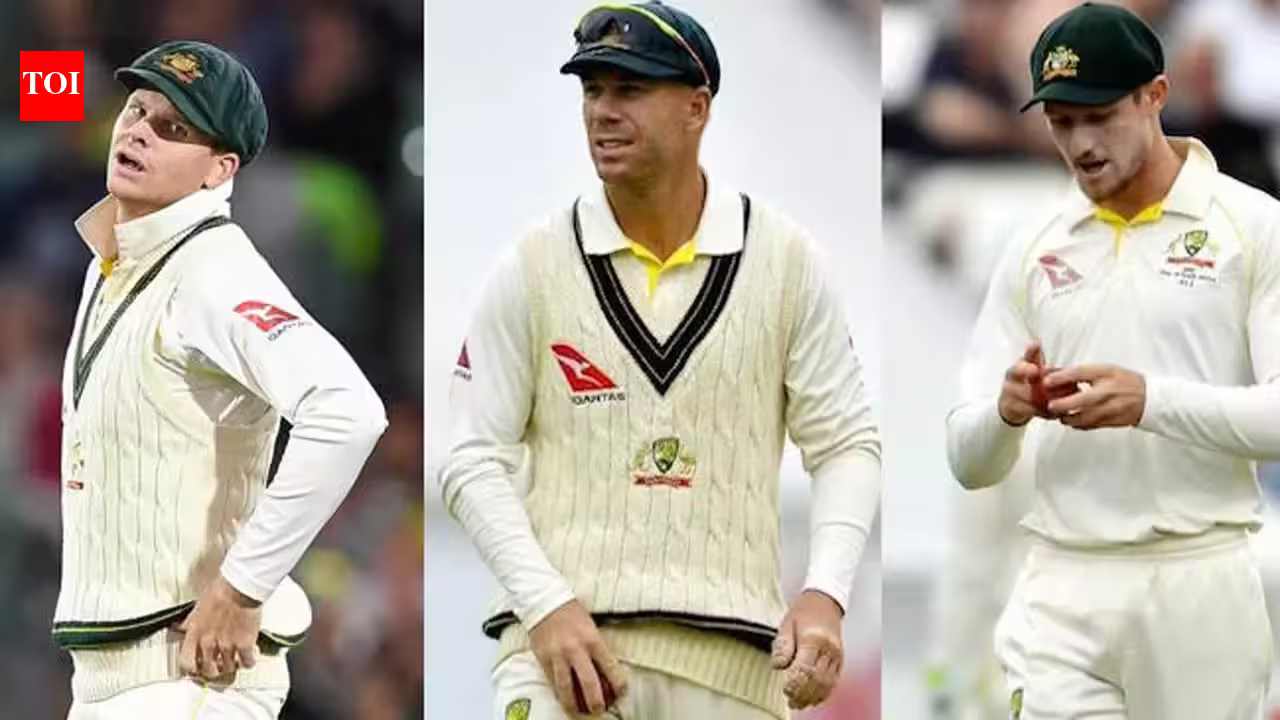
The scandal unfolded during the 2018 Cape Town Test when Australian opener Cameron Bancroft was caught on camera using sandpaper to alter the condition of the ball. The discovery led to the downfall of then-captain Steve Smith, vice-captain David Warner, and Bancroft, all of whom faced severe disciplinary action.
Du Plessis recalled feeling immediate empathy for Bancroft, describing the young cricketer as being “out of his depth.”
“My first instincts with him were, I felt sorry for the guy,” du Plessis said. “He didn’t know how to get the ball to reverse swing, and taking a piece of sandpaper out of your pocket with cameras around—it’s not the most clever thing to do.”
Questioning the Crisis Management
The former Proteas skipper noted that the situation spiraled out of control not necessarily because of the act itself, but due to how the Australian team initially addressed the media. He recalled the South African team waiting for a press conference that was delayed for an hour, followed by a statement that claimed the captain, coach, and senior players were unaware of the plot.
“That statement was just like putting bleach under a fire,” du Plessis remarked. “They were saying no one knew about it… and everyone was just like, ‘Well, hang on, what’s going on here? Everyone knows what goes on in a dressing room.'”
Political Pressure and Disproportionate Bans
The aftermath saw Cricket Australia impose 12-month bans on Smith and Warner, and a nine-month suspension for Bancroft—punishments that shocked many in the cricketing world. Du Plessis believes the severity of these sanctions was fueled by external pressure, including public outrage and intervention from the Australian Prime Minister at the time.
“I think it was more the way that they handled that which caused a lot of noise,” du Plessis argued. He pointed out the hypocrisy of the reaction, noting, “It’s not like you guys haven’t done it… don’t be in a glasshouse.”
The former captain revealed that he had reached out to Steve Smith during the ordeal, believing at the time that the punishment would be limited to a week or a month. He firmly believes the Sandpaper Gate incident should have been handled exclusively by the International Cricket Council (ICC) via financial penalties, rather than becoming a political spectacle.
“I think if they took it on the chin… Steve Smith would have played the next Test match, and David Warner would have played the whole rest of the year,” he added. “But what ended up happening is they missed a year of cricket. When you let politics and stuff come into sport, it never ends well.”
Ultimately, du Plessis’ reflections serve as a reminder that in the high-stakes world of professional sports, the reaction to a mistake can often be more destructive than the mistake itself.