








Online Hate Marrs Tragedy: Australians Missing in Nepal Floods Subjected to Racist Abuse
As families endure an agonizing wait for news of their loved ones following the catastrophic Nepal-Tibet floods, the crisis has been darkened by a wave of virulent racism directed at the Australian victims. The hateful rhetoric has sparked urgent calls for social media giants to take greater accountability for the content flourishing on their platforms.
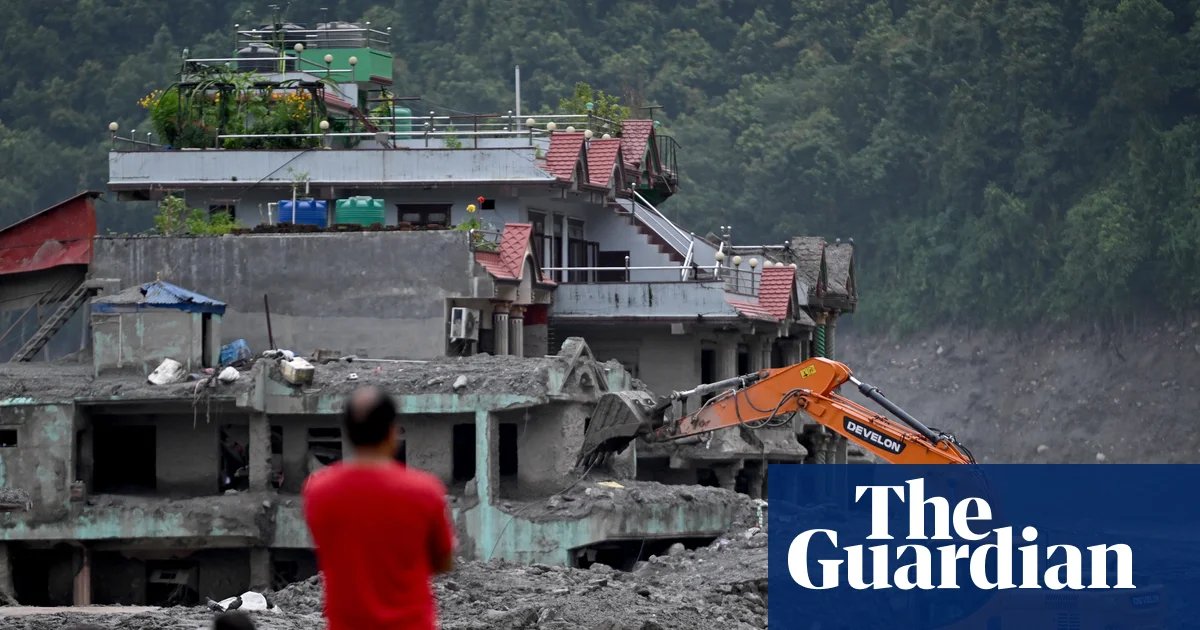
The disaster, triggered by a massive glacier collapse in the Himalayas, has resulted in a staggering death toll of at least 810 people. As of Monday, the number of missing Australians had climbed to 43. Many of these individuals were on sacred pilgrimages, including 14 Sydney-based members of the Australia Bharatha Brahmin Samaj community who were traveling to Mount Kailash in Tibet.
A Surge of Digital Hostility
While the nation grapples with the scale of this humanitarian tragedy, major media outlets—including News Corp, Channel 7, Channel 10, and Nine—have found their Facebook comment sections flooded with discriminatory abuse. The vitriol has targeted the victims based on their ethnic backgrounds, with numerous users suggesting that non-white Australians are not “truly” Australian.
In one instance, a comment on a Daily Telegraph article read: “Hoping we have new vacancies in Australia that Aussies can fill.” The paper’s editor, Ben English, condemned the discourse as “abhorrent,” noting that while the outlet takes responsibility for its threads, current automated filters struggle to detect the “coded language” often used by hate-speech perpetrators.
Similar incidents have plagued X (formerly Twitter), where a post by conservative commentator Kobie Thatcher questioning the “Aussie” status of an identified couple garnered millions of views.
The Profitability of Rage
Experts argue that the rise of such abuse is not merely a social phenomenon but a byproduct of the digital platforms’ business models. Associate Professor Tim Graham, of QUT’s Digital Media Research Centre, asserts that platform algorithms are designed to prioritize “rage bait” and extreme content because it drives engagement.
“The design architecture of these websites… rewards this kind of stuff,” Graham said. He noted that while companies possess the technology—including advanced generative AI—to mitigate such content, they largely fail to deploy these tools effectively. “It’s a bit mind-boggling,” he added.
A Call for Legislative Action
Race Discrimination Commissioner Giridharan Sivaraman echoed these concerns, linking the abuse to the broader, toxic climate surrounding migration debates in Australia. He warned that the normalization of such views is indicative of a rise in white supremacist ideology.
“Racism is ‘profitable’ for social media companies,” Sivaraman stated, arguing that the industry’s purported efforts to curb hate speech are “fanciful.” He joined a chorus of voices demanding a digital duty of care for all social media platforms operating in the country, emphasizing that words have real-world consequences.
Seeking Humanity Amidst Sorrow
Community leaders have pleaded for basic human decency as the search and rescue efforts continue. Surinder Jain, vice-president of the Hindu Council of Australia, urged critics to show dignity toward the victims and their grieving families. Similarly, Chiran Tiwari, president of the Nepalese Australian Welfare Society, expressed the profound hurt caused by the online attacks.
“It is very hurtful, and the families who are impacted feel really, really bad,” Tiwari said. “All of us are human.”
As the search for the missing continues, the incident has highlighted a deepening divide in the Australian online space, leaving many to wonder if the tragedy of the Nepal-Tibet floods will become the turning point for stricter platform regulation.