








A 12TB “Teraleak” Spills More Than a Decade of Lost PC Gaming History
In an unprecedented event for digital preservationists and gaming historians alike, a massive 12TB data dump—colloquially dubbed the “teraleak”—has surfaced online, containing over a decade’s worth of internal files, prototypes, and development builds from Valve’s legacy Steam2 server architecture.
The leak, which covers the period between 2003 and 2013, is currently circulating via BitTorrent trackers. It provides an exhaustive look into the pre-release state of thousands of titles that once called the defunct Steam2 platform home. According to experts, the dump was facilitated by a publicly accessible API endpoint that had been left unprotected, allowing anyone to download the content without authentication.
A Treasure Trove of “Lost” Content
The significance of this discovery cannot be overstated for those tracking the history of PC gaming. Archivists have long considered many pre-release versions of games from this era to be permanently lost, as they existed only as temporary files on aging local hardware.
“I’ve verified that everything in the Steam2 Teraleak was obtained via a publicly accessible API endpoint,” noted prominent Valve analyst and streamer Gabe Follower. “It’s Valve’s fault.”
Community members and data miners have already begun digging through the massive archive, uncovering a wealth of never-before-seen materials:
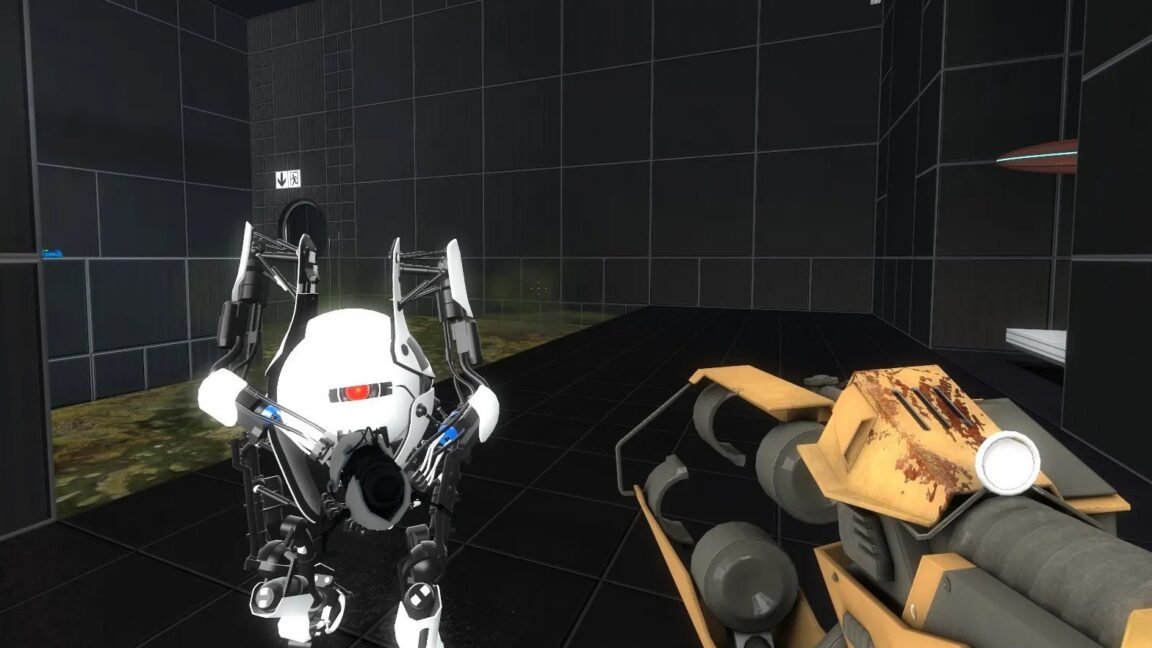
- Portal 2 Discoveries: The leak includes early build data containing cut dialogue from GLaDOS and a poignant, unfinished sequence involving Cave Johnson’s consciousness trapped within a cube. Other findings include “perfectly circular” portals and experimental gameplay mechanics like slow-motion guns and adhesive gels.
- Half-Life 2: Episode 3: While the elusive third episode remains unreleased, the leak contains “ep3” data files and weapon models that correlate with previously seen—but unidentified—development footage.
- Cancelled Projects: Fans have identified assets related to F-Stop, the ill-fated, camera-based puzzle game that was originally intended to be a Portal sequel.
- Third-Party Titles: The dump is not limited to Valve-developed games. It includes early builds and playtest versions of major titles from the era, such as Dragon Age: Origins, Batman: Arkham Asylum, Spore, and Spec Ops: The Line.
A Wake-Up Call for Security
While the gaming community celebrates the potential for historical preservation, the “teraleak” has sparked serious concern regarding cybersecurity and legal compliance. By exposing thousands of internal development builds, the incident highlights a massive vulnerability in how large publishers store their assets.
“That archive contains a significant amount of third-party content, meaning we are dealing with a dramatically more dangerous situation than if it were just some Valve builds,” warned industry insider Tyler McVicker. “Don’t touch it, it’s HOT.”
The incident serves as a stark reminder of how fragile digital history can be. As the files spread across the web, the industry is left grappling with the reality that Valve’s legacy server infrastructure—a foundational piece of the modern digital distribution model—has become a high-profile point of failure.
For many, this event is the PC gaming equivalent of the famous 2020 Nintendo “gigaleak,” which similarly shed light on decades of internal development processes. However, as organizations and rights holders assess the fallout, the question remains: what does this mean for the future of proprietary software security? For now, the files remain in the hands of the public, ensuring that this lost PC gaming history will be studied for years to come.