





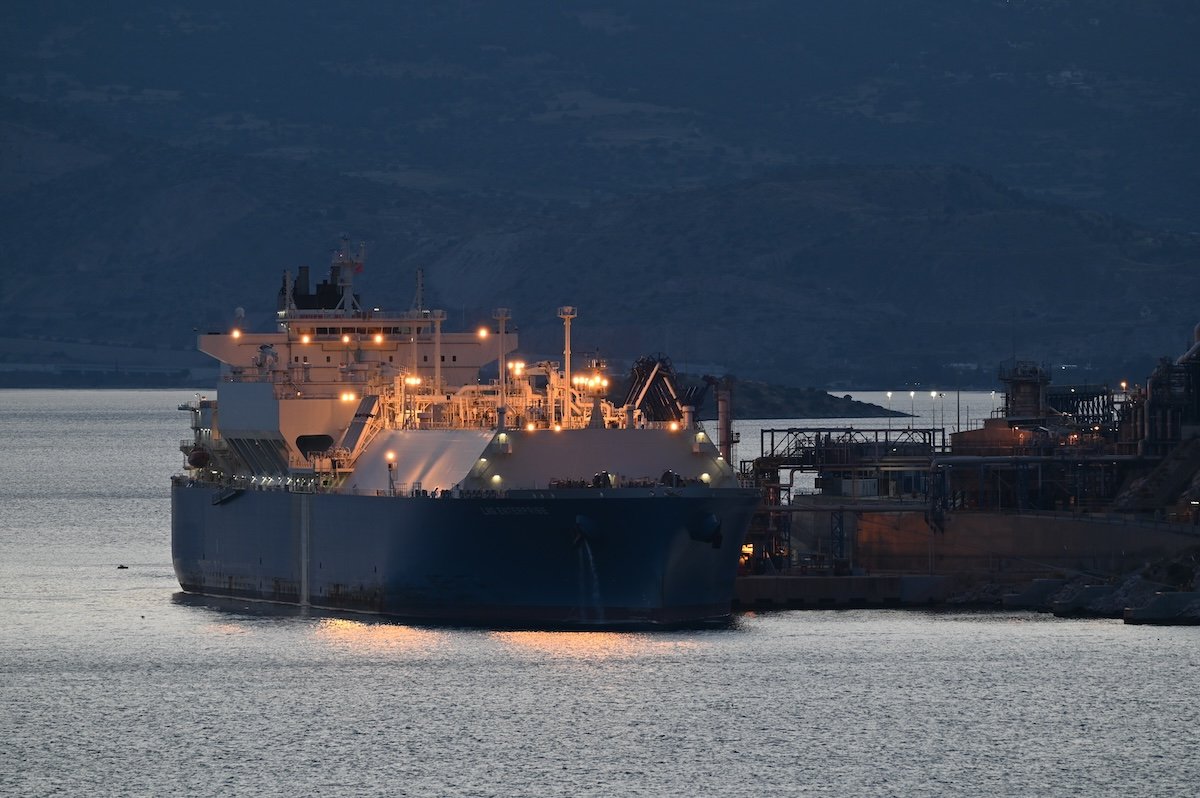
Greece Challenges EU Approach to Global Maritime Decarbonisation
ATHENS — Tensions have surfaced between Athens and Brussels regarding the future of the maritime sector, as Greece’s Minister of Maritime Affairs has openly criticized the European Union for its perceived “lack of understanding” regarding the realities of international shipping.
The friction centers on the European Union’s ambitious roadmap for environmental reform within the industry. While the EU pushes for aggressive regulatory frameworks to curb carbon emissions, Greek officials argue that the bloc’s current strategy fails to account for the unique competitive pressures and logistical complexities faced by the global shipping community.
A Disconnect in Strategy
During recent discussions, the Greek maritime leadership emphasized that while sustainability remains a long-term goal, the EU’s top-down approach risks undermining the sector’s ability to compete on a global scale. Athens contends that by imposing stringent regional mandates without sufficient global consensus, the EU is effectively handicapping its own fleet—the largest in the world—in favor of international competitors who are not held to the same rigid standards.
“There is a fundamental lack of understanding in Brussels regarding how our industry operates in a globalized market,” a spokesperson for the Ministry noted. The Greek government has long advocated for a more synchronized, international effort through the International Maritime Organization (IMO) rather than unilateral European directives that could lead to “carbon leakage” and increased operational costs.
The Debate Over Decarbonisation
The core of the dispute lies in the transition to greener fuels and technology. Greece, which owns nearly 20% of the world’s merchant fleet, has been at the forefront of the decarbonisation debate. However, they argue that the current EU legislative package—which includes the inclusion of shipping in the Emissions Trading System (ETS)—imposes an unfair financial burden on vessel owners without providing sufficient infrastructure for alternative fuels.
As the EU pushes forward with its “Fit for 55” legislative agenda, Greece is intensifying its diplomatic efforts to seek exemptions or modifications that prevent the erosion of European shipping dominance. The government in Athens has signaled that it will continue to push for a global regulatory framework, warning that a fragmented regional policy will only serve to drive business away from European ports.
The impasse reflects a broader challenge for the EU: balancing its role as a global climate leader with the economic realities of maintaining a vital, yet carbon-intensive, industry. Whether Brussels will adjust its trajectory to appease its largest maritime stakeholder remains the subject of intense ongoing negotiation.