







Climate Crisis Hits Home: Nepal Floods Ignite Urgent Questions About Himalayan Stability
As rescue operations continue in the wake of the catastrophic floods that recently devastated parts of Nepal, the human cost of the disaster is becoming increasingly clear. For hundreds of families across India, the tragedy is not just a news headline—it is an agonizing wait for news of loved ones who remain unaccounted for.
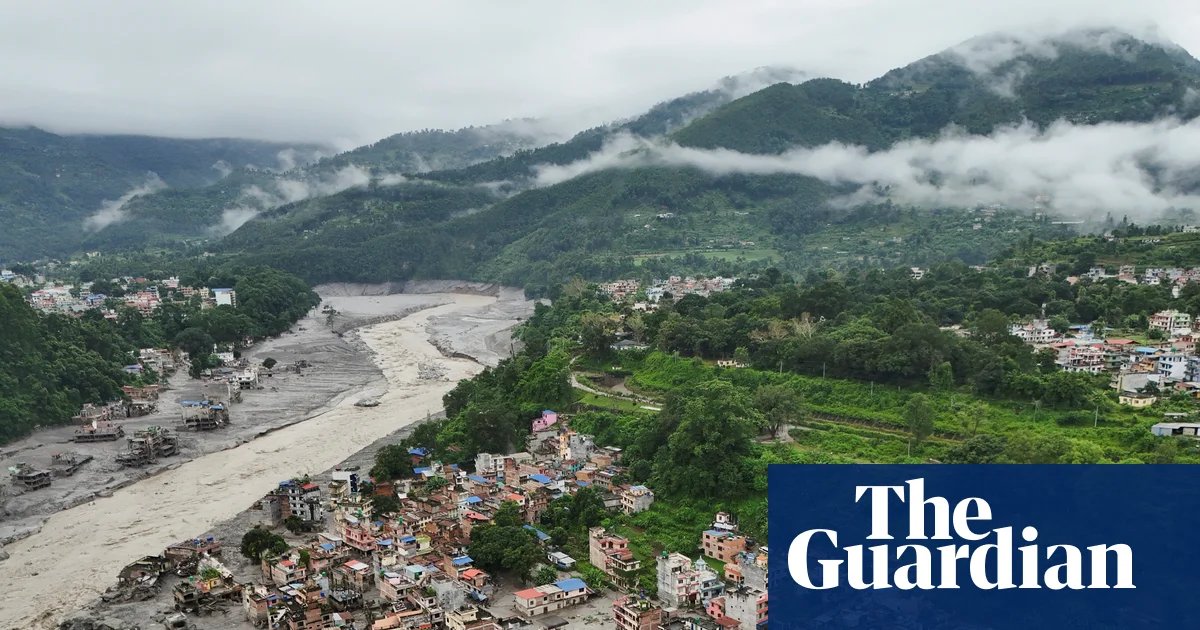
The disaster was triggered when a melting glacier collapsed into the valley below, sending a lethal torrent of rock, ice, and water surging down the Bhote Kashi River, which originates in Tibet. The resulting wall of debris obliterated everything in its path, including roads and border infrastructure.
A Growing Toll
At the time of reporting, approximately 275 Indian citizens remain missing. The list includes workers from various hydropower projects and pilgrims en route to the sacred Mount Kailash in Tibet. Among the missing are also members of the Isha Foundation, the spiritual organization led by Sadhguru. While 149 Indians were successfully rescued as of Monday, the uncertainty continues to haunt families like that of Gauri Joshi, who is still searching for five relatives who were last seen clearing immigration at the Gyirong border before the floodwaters struck.
“Chances appear very bleak now,” Joshi said. “But maybe a miracle will happen.”
The Himalayan “Cryosphere” at Risk
The disaster has reignited intense debate regarding the vulnerability of the Himalayas to climate change. To understand the mechanics of this catastrophe, we turned to Dr. Ashim Sattar, a professor at the Indian Institute of Technology (IIT) Bhubaneswar and a leading expert on glacial lake outburst floods.
Dr. Sattar explains that the threat stems from the “cryosphere”—the regions where water exists in solid form. “When glaciers melt, they form lakes. If these burst, they cause massive damage,” he said. He noted that the Nepal disaster was specifically caused by a glacier detachment, a phenomenon that, alongside thawing permafrost, is becoming more frequent due to rising temperatures.
“With climate change, these grounds are going above zero degrees and starting to degrade,” Dr. Sattar warned. “We expect a higher frequency of debris flows in the future. The risk exists because it might happen at any time.”
A Call for Preparedness
While the National Disaster Management Authority is working on a risk mitigation program to install early-warning systems, Dr. Sattar emphasizes that technology alone is not the answer. He advocates for community-based solutions, noting that local knowledge is vital for effective evacuation and response.
When asked if the catastrophe could have been prevented, Dr. Sattar was pragmatic: “Prevention is possible but very expensive. The only way forward is to minimize exposure to the risk below by ensuring that infrastructure and settlements are moved out of the path of potential hazards.”
Beyond the Himalayas
As India grapples with the environmental implications of this tragedy, other significant developments are shaping the national conversation:
- Political Tensions: The RSS chief’s recent address at Madison Square Garden in New York has drawn both support from the diaspora and fierce opposition from groups criticizing the organization’s stance on minority rights.
- Censorship Concerns: Three people were arrested in Ahmedabad following the disruption of a peaceful book-reading event that featured works by Malala Yousafzai and Anne Frank.
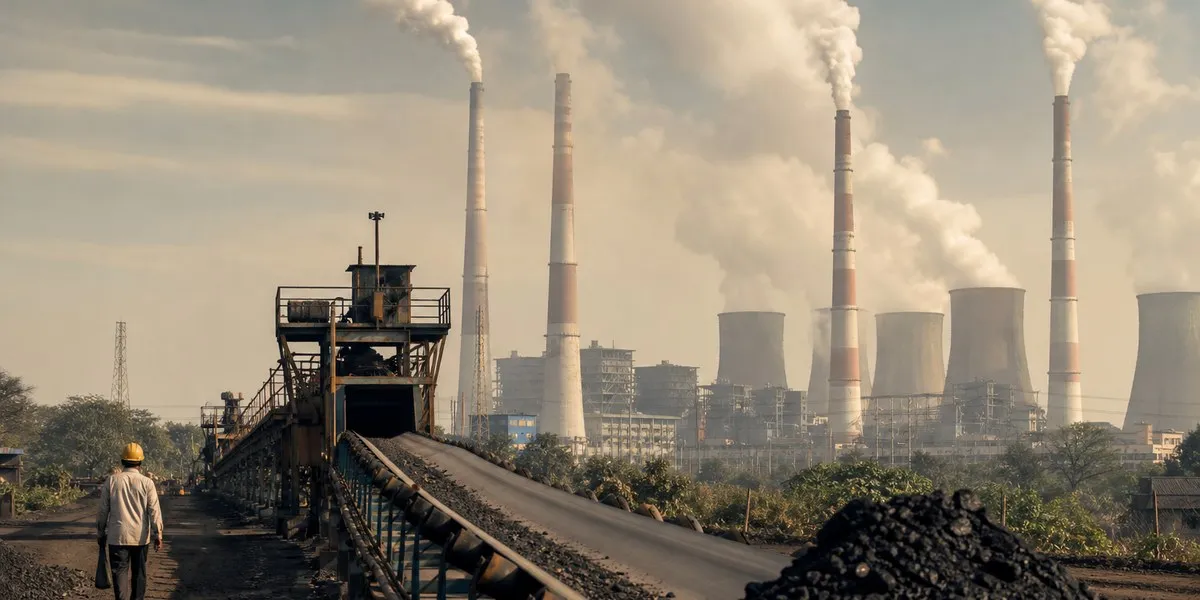
- Environmental Rankings: Adding to the environmental concern, India was ranked 176th out of 177 countries in the 2026 Environmental Performance Index, highlighting a significant need for policy overhaul regarding air quality and ecological vitality.
To support ongoing relief efforts for those impacted by the floods in Nepal, contributions can be made to the Prime Minister’s Disaster Relief Fund.