







US-India Ties Strengthen as Ambassador Sergio Gor Navigates Regional Geopolitics
By focusing on strategic engagement and high-level diplomacy, US Ambassador to India Sergio Gor is signaling a revitalized commitment to the Washington-New Delhi partnership, even as regional powers form new security pacts.
In a move that has drawn both diplomatic friction and strategic praise, US Ambassador to India Sergio Gor recently visited Jammu and Kashmir, characterizing the territory as an “important part of India.” The visit, which also included a strategic stop in Ladakh, has been interpreted by experts as a calculated effort to strengthen the US-India relationship and validate India’s post-2019 administrative position in the region.
Diplomatic Ripple Effects
The comments prompted an immediate reaction from Islamabad, which summoned US Charge d’Affaires Natalie Baker to lodge a “strong demarche.” However, foreign policy analysts suggest this move was largely performative.
Michael Kugelman, a senior fellow at the Asia Atlantic Council, notes that while the remarks were received poorly in Pakistan, they are unlikely to cause a fracture in US-Pakistan relations. “Pakistan has long called Kashmir its ‘jugular vein,’ and it is rare when a US official says anything at odds with Pakistan’s position,” Kugelman observed in an interview. “Islamabad had no choice but to summon the US diplomat, but they remain committed to maintaining a functional relationship with Washington.”
The “Mecca Pact” and Regional Dynamics
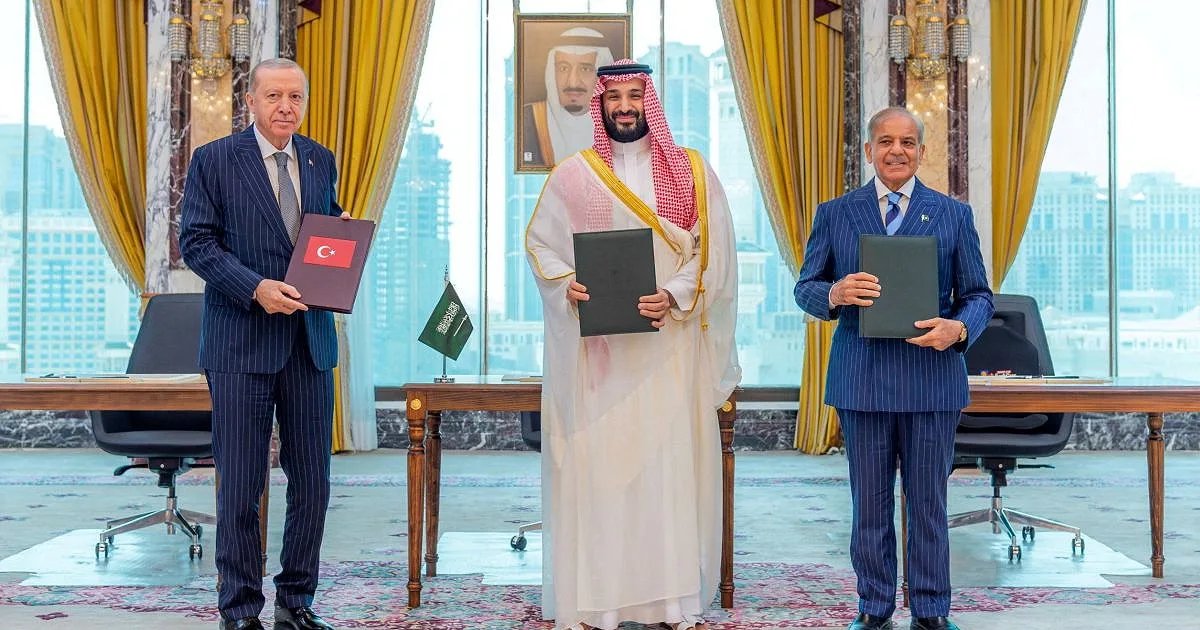
The geopolitical landscape is further complicated by the recently signed defense agreement between Saudi Arabia, Turkey, and Pakistan, dubbed the “Mecca Pact.” While some have speculated about the rise of an “Islamic NATO,” Kugelman dismisses the religious framing, emphasizing the pact’s purely geopolitical and practical motivations.
“The pact solidifies the growing role of Pakistan as a security provider in the Middle East,” Kugelman said. “But it does not threaten India’s wider partnerships.”
When asked whether India should fear military intervention from these powers in the event of a future conflict, Kugelman was dismissive. “India doesn’t need to fear Turkish or Saudi interventions in a future India-Pakistan conflict,” he stated, noting that it “beggars belief” that Saudi Arabia would deploy military force against a top economic and strategic partner like India.
A Measured US Approach
Ambassador Gor’s itinerary—specifically his choice not to meet with the Dalai Lama during his Ladakh visit—signals a delicate balancing act by the Trump administration. According to experts, this omission was a clear concession to Beijing, reflecting a desire to avoid provocation ahead of critical high-level US-China talks.
Ultimately, Gor’s diplomacy appears designed to close the “trust gap” between Washington and New Delhi. By praising the normalization of Jammu and Kashmir, he aligns himself with Indian priorities, yet analysts are careful to clarify that this does not represent a formal shift in official US policy. The United States continues to maintain its “hands-off” stance, encouraging bilateral resolution between India and Pakistan while prioritizing the overarching strategic partnership with New Delhi.