







The Window Is Closing: Scientists Issue Stark Warning on Global Climate Overshoot
In a landmark report that serves as a sobering reality check for global policymakers, a coalition of the world’s leading climate scientists has concluded that the window for preventing catastrophic planetary warming is rapidly narrowing. The findings underscore a grim new consensus: the trajectory of global emissions has pushed the Earth to the brink of irreversible ecological tipping points.
For decades, the international community has focused on the goal of limiting global temperature rise to 1.5 degrees Celsius above pre-industrial levels—a threshold designed to avoid the most devastating consequences of climate change. However, this latest analysis suggests that current mitigation efforts are falling woefully short. The report highlights that the world is now almost certain to experience a period of overshoot, where global temperatures exceed that critical limit before any potential return to stability.
A Narrowing Path
The report, characterized as the first of its kind to integrate such extensive multi-disciplinary data, outlines a complex and fragile path forward. While previous projections often offered a range of optimistic scenarios, this assessment focuses on the logistical and physical realities of “getting back” from a high-heat future.
Researchers warn that relying solely on future carbon removal technologies—many of which remain unproven at scale—is a dangerous gamble. Instead, the authors emphasize that the immediate and aggressive decarbonization of the global economy is no longer just a recommendation; it is a prerequisite for survival.
The Cost of Delay
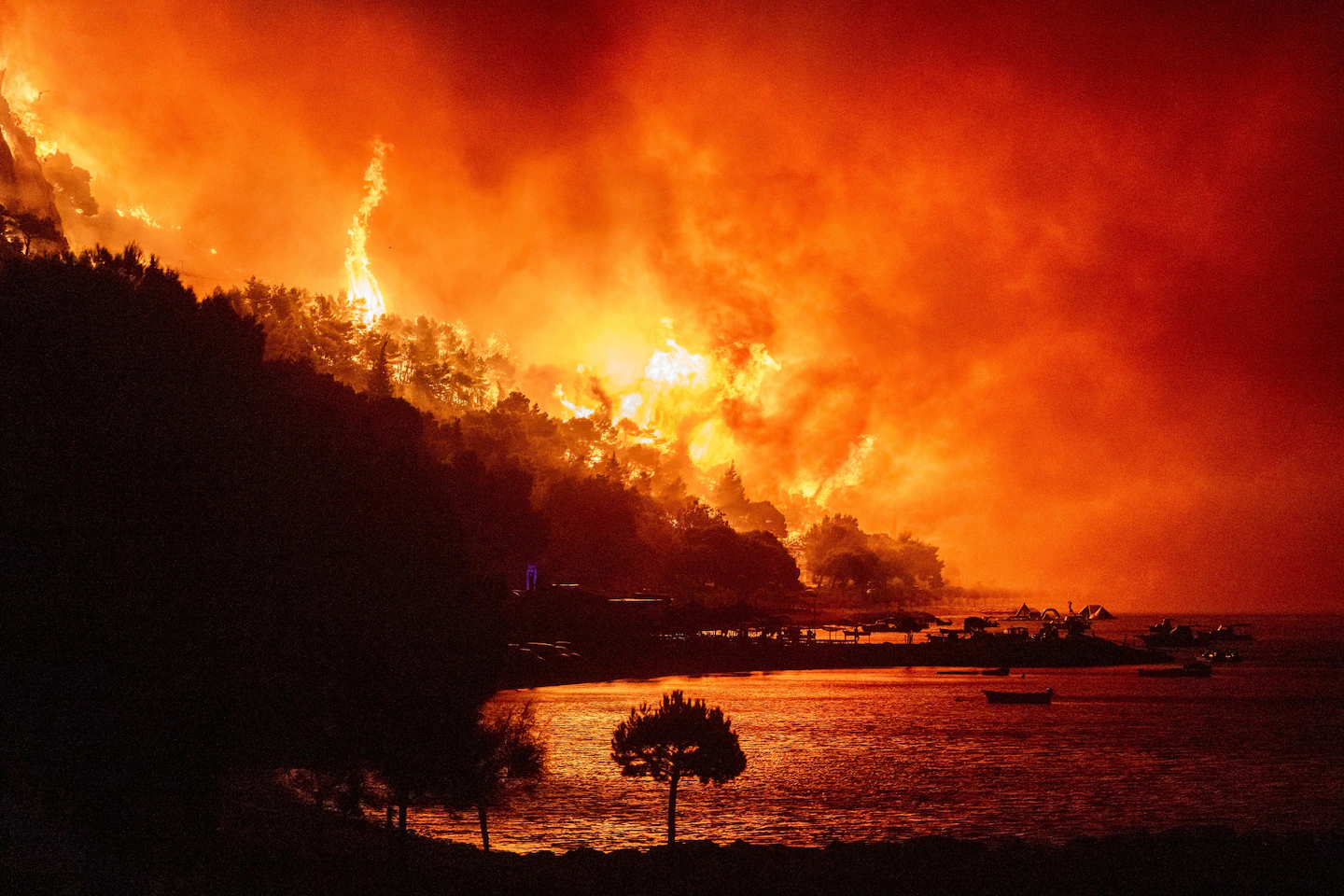
The consequences of failing to act are no longer theoretical. Extreme weather events, unprecedented sea-level rise, and the collapse of vital biodiversity hotspots are already manifesting with greater frequency and intensity. The scientists stress that even a temporary breach of the 1.5-degree threshold could trigger irreversible feedback loops, such as the thawing of permafrost and the loss of major ice sheets, which would make returning to a “safe” climate state exponentially more difficult.
“We are moving out of the era of prevention and into an era of damage control,” one lead author noted. The report serves as a clarion call for world leaders to abandon incremental change in favor of a radical restructuring of energy, agricultural, and industrial systems.
What Comes Next?
As the global community digests these findings, the focus is shifting toward “climate resilience” and the necessity of preparing for a warmer world. Yet, the core message of the report remains defiant: the path to recovery is shrinking, but it has not yet disappeared. Whether humanity can summon the political and economic will to alter its course before the window shuts entirely remains the defining challenge of the 21st century.