








Rethinking the Foundation: Why Europe’s Housing Crisis Requires More Than Just New Construction
The conventional wisdom surrounding Europe’s deepening housing crisis has long been anchored in a singular narrative: the need for more supply. Across the continent, policymakers have raced to break ground on new developments, operating under the assumption that a surge in raw unit numbers is the ultimate antidote to rising costs and scarcity. However, experts are increasingly warning that focusing exclusively on new builds is a shortsighted strategy that ignores the structural potential of the built environment.
A growing movement of urban planners and policy analysts argues that true affordable housing cannot be achieved through quantity alone. Instead, the focus must shift toward a more nuanced, sustainable approach: one that prioritizes the adaptation, renovation, and intelligent repurposing of existing structures.
Moving Beyond the “Build, Build, Build” Mantra
The obsession with building new housing often comes at a significant environmental and economic cost. Expanding into greenfields or demolishing older structures to make way for modern complexes often undermines climate goals and disrupts existing community fabrics.
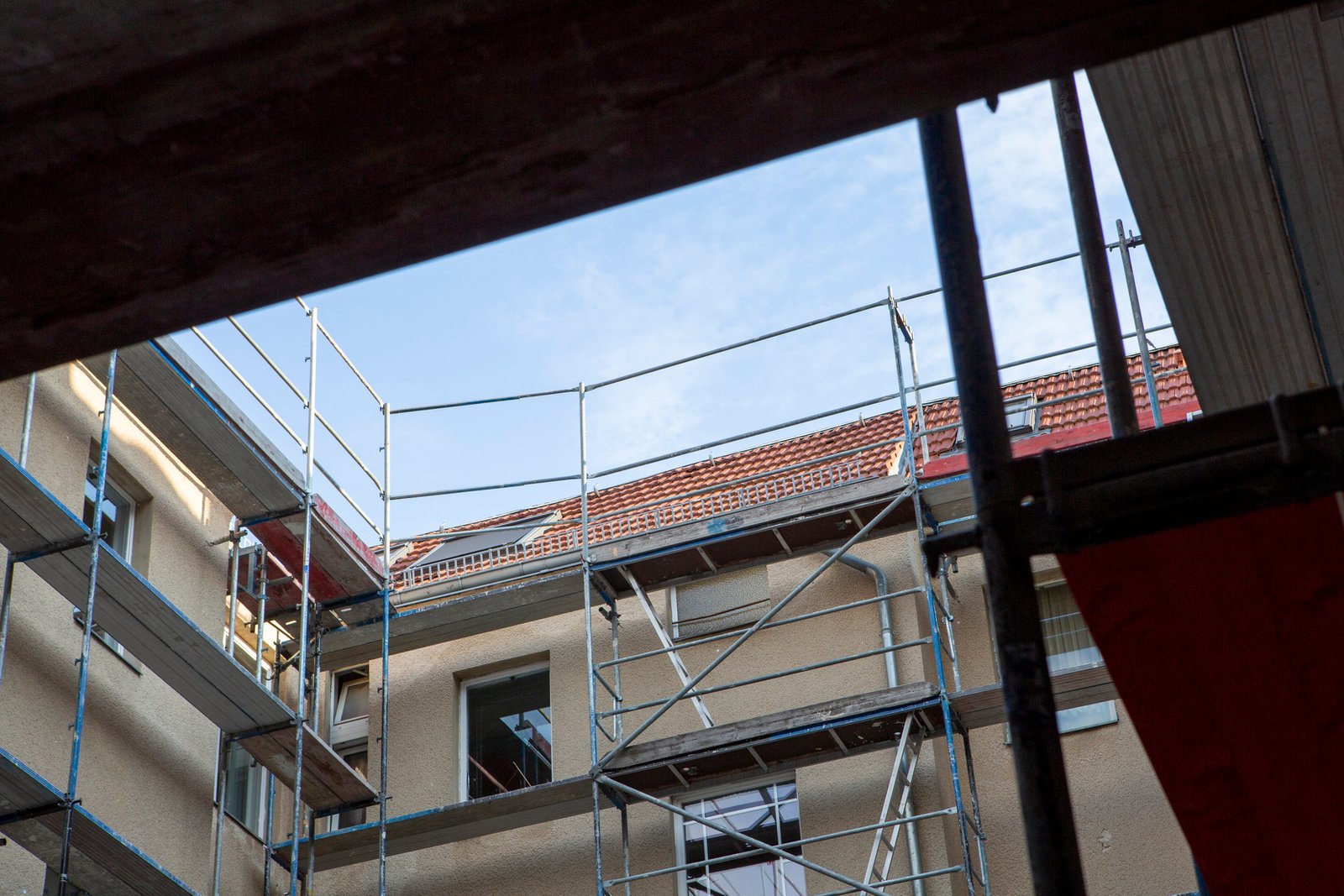
By pivoting toward the optimization of current building stock, cities can breathe new life into underutilized infrastructure. This includes converting vacant commercial properties into residential hubs, upgrading energy-inefficient apartments, and retrofitting heritage buildings to meet contemporary standards of sustainability. Such measures are not merely greener; they are often faster and more cost-effective than starting from the foundation up.
People-Centric Urbanism
The call to change our housing strategy is rooted in a fundamental shift in priorities. Policy must move beyond the spreadsheet-driven logic of “units delivered” and place the diverse needs of citizens at the core of urban development.
For housing to be truly effective, it must serve the multidimensional requirements of modern life. This includes:
- Health and Well-being: Designing living spaces that prioritize natural light, ventilation, and access to green areas, which are essential for long-term public health.
- Climate Resilience: Retrofitting homes to withstand extreme weather events, thereby protecting vulnerable populations and reducing long-term maintenance costs.
- Quality of Life: Creating environments that foster social connection and accessibility, ensuring that homes are not just shelters, but spaces that facilitate community growth.
A New Chapter for European Policy
The challenge facing Europe today is less a shortage of physical space and more a failure of resource management. As cities look toward the future, the integration of smart renovation policies and adaptive reuse will be the litmus test for effective governance.
By reimagining the homes we already have, Europe can move toward a housing model that is resilient, inclusive, and fundamentally aligned with the needs of its people—proving that sometimes, the best way to move forward is to make better use of what we have already built.