







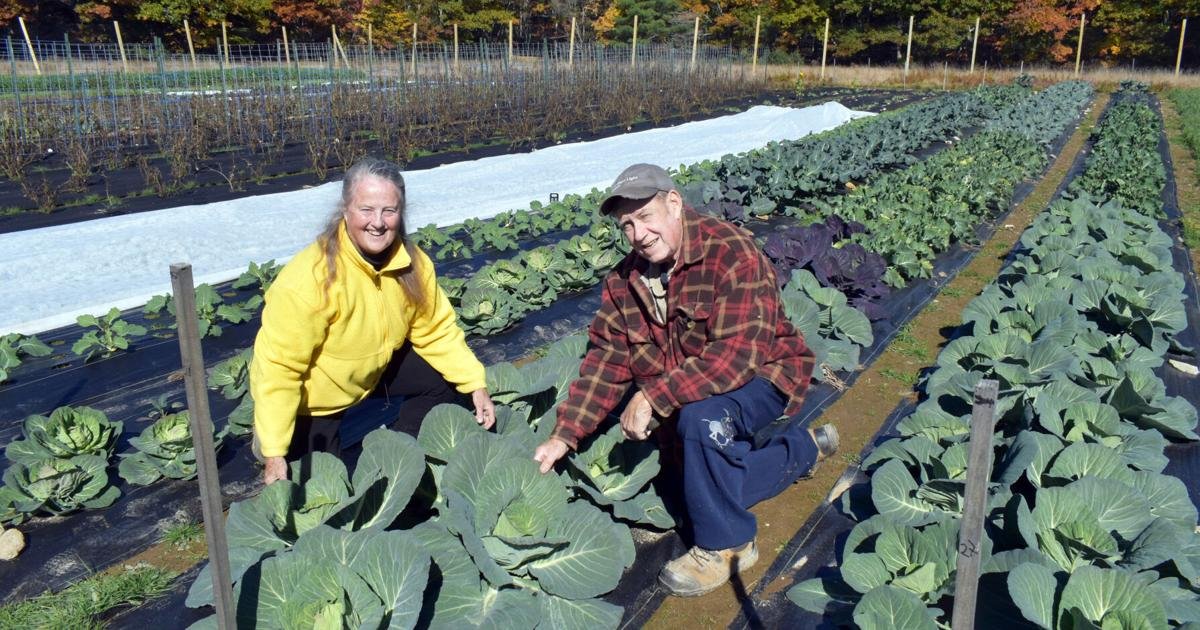
“To me, human beings all have a few things in common. One of them is food.” This sentiment, shared by community organizers and environmental stewards alike, underscores the fundamental nexus between global food security, land use, and the rapidly shifting climate. As the global population trends toward 10 billion by mid-century, the environmental cost of the plate has moved from the periphery of public discourse to the center of agricultural policy.
The industrial food system currently accounts for approximately one-third of global greenhouse gas emissions. From the methane output of livestock production to the energy-intensive manufacturing of synthetic nitrogen fertilizers, the way humanity produces food is a primary driver of biodiversity loss and soil degradation. However, a growing movement of farmers, scientists, and policy experts is beginning to shift the paradigm toward regenerative practices that prioritize ecosystem health alongside yield.
At the heart of this transition is the concept of soil health. For decades, intensive monoculture farming and the over-reliance on chemical inputs have stripped farmland of its organic matter. Healthy soil, rich in microbial life, acts as a massive terrestrial carbon sink. By implementing practices such as cover cropping, no-till farming, and managed rotational grazing, farmers are discovering that they can sequester atmospheric carbon while simultaneously improving water retention and resilience against the extreme weather events now exacerbated by a warming climate.
“The connection between what we eat and the stability of our environment is no longer abstract,” says Dr. Elena Rossi, an agricultural researcher specializing in food systems sustainability. “When we talk about the carbon footprint of our food, we aren’t just talking about transportation miles; we are talking about the fundamental biology of the land. We are learning that food is not just a commodity, but an extension of the ecosystem services that sustain us.”
Local initiatives are increasingly becoming the testing grounds for these systemic changes. In regions across the United States, community-supported agriculture (CSA) models and regional food hubs are shortening supply chains, reducing the carbon intensity of food distribution, and reconnecting consumers with the specific environmental costs of their consumption habits. These localized systems often rely on smaller, diversified operations that prioritize soil health over the volume-driven output of industrial agribusiness.
However, the challenge of scaling these solutions remains formidable. Policy structures in many nations continue to subsidize monocultural commodity crops, making it economically risky for farmers to transition to more sustainable, diversified systems. Environmental advocates argue that significant legislative reform—such as shifting subsidies toward regenerative practices and incentivizing the preservation of natural landscapes—is necessary to turn these pilot programs into a standard for the global food industry.
Beyond policy, the dietary shifts of the consumer play a crucial role. Research indicates that reducing the reliance on high-impact proteins, particularly beef, in favor of plant-forward diets can significantly reduce land use pressure. By freeing up land currently dedicated to livestock feed production, it becomes possible to restore ecosystems and implement reforestation projects that provide critical habitat for endangered species.
The intersection of food and environment is ultimately an issue of interdependence. When the land is treated as an extractive resource, both soil health and human health suffer. When the land is treated as a shared life-support system, the outcomes are radically different. As stakeholders gather to debate the future of global nutrition, the consensus is clear: the path to a sustainable future is paved with the choices made at the farm level, the policy table, and the dinner plate. The preservation of the environment is not a separate goal from the pursuit of food security; they are, quite literally, the same thing.
Disclaimer: This content is auto-generated for informational purposes only.
Source: Read Original News