







SKM Slams Proposed India-US Trade Deal as ‘Death Warrant’ for Farmers
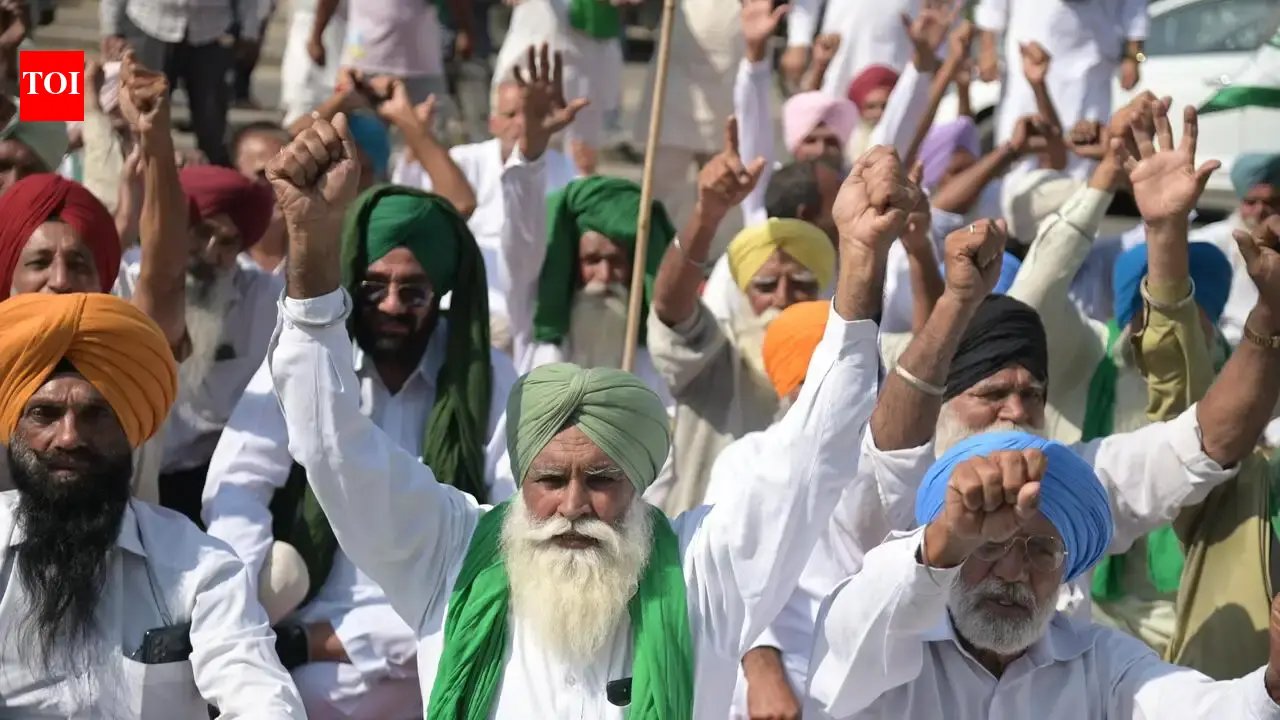
Bathinda: The Sanyukt Kisan Morcha (SKM), the influential umbrella body of farmers’ unions that led the historic 2020-2021 farm protests, has launched a scathing critique of the proposed free trade agreement (FTA) between India and the United States. Labeling the potential pact a “death warrant” for the nation’s agrarian economy, the organization has accused the central government of bowing to American geopolitical pressure while maintaining total secrecy regarding the deal’s specific terms.
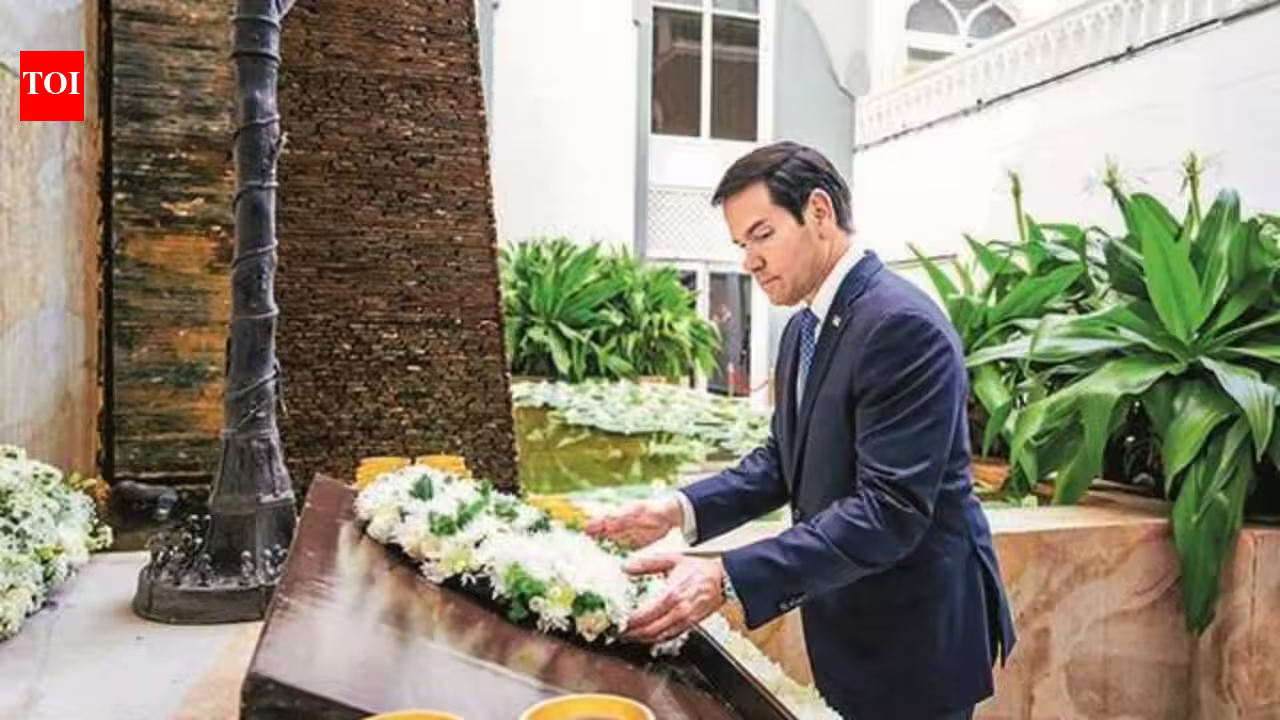
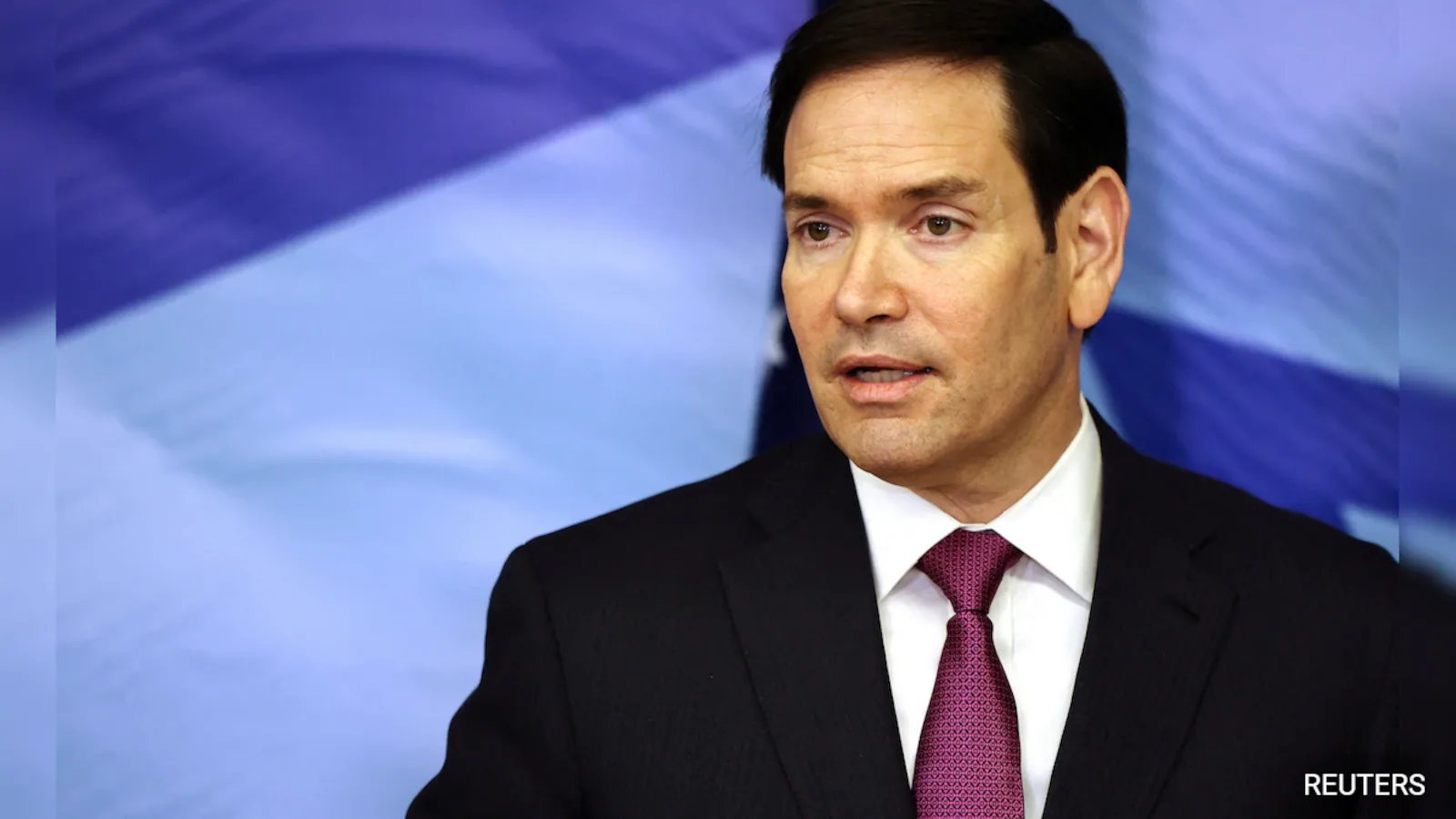
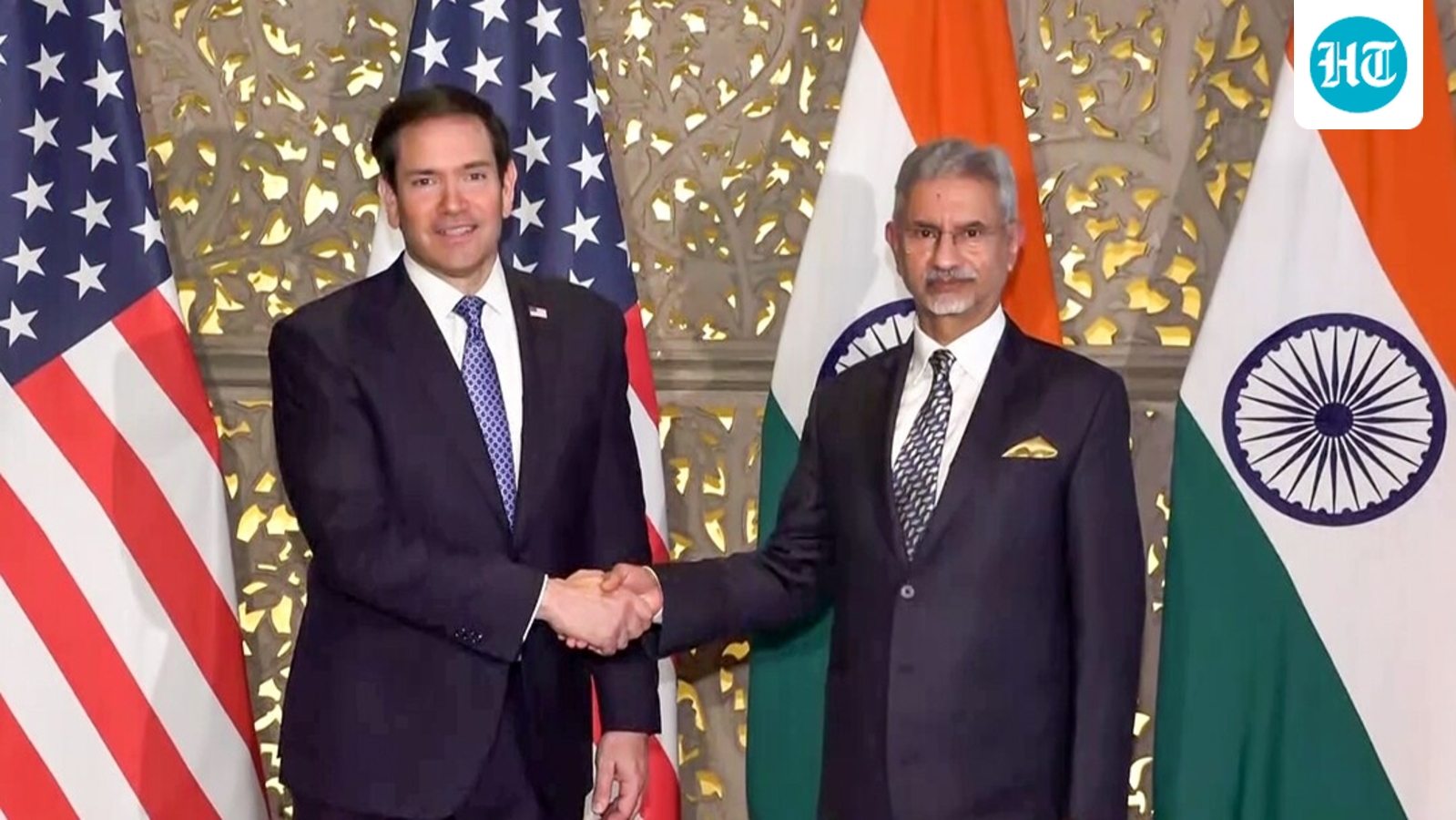
The farmers’ union issued a stern warning as US Secretary of State Marco Rubio arrived in India for a two-day visit, a trip during which the finalization of the trade agreement is reportedly high on the agenda. While Union Commerce Minister Piyush Goyal has signaled that preliminary segments of the pact are nearing completion, the SKM remains deeply skeptical, pointing to the unresolved issue of market access for US dairy products as a major point of contention.
Economic Sovereignty at Risk
The SKM alleges that the Indian government is being coerced into making lopsided concessions. According to the union, the US is leveraging the threat of increased tariffs on nations that trade with Russia and Iran to force New Delhi into unfavorable economic terms. The farmers’ body cited a concerning trade imbalance: between April and September 2026, imports from the US surged by 26%, reaching $32.33 billion, while Indian exports to the US grew at a lackluster 11%.
“The government is rushing to sign an agreement that sacrifices the interests of millions for diplomatic expediency,” a spokesperson for the SKM stated. The union cautioned that allowing a flood of cheaper US agricultural goods—such as maize, cattle feed, soybean oil, almonds, and apples—could devastate domestic prices, particularly during critical harvest seasons.
The Dairy Sector Crisis
One of the most alarming aspects of the proposed deal, according to the SKM, is the potential for increased penetration of US dairy products into the Indian market. With over 80 million rural households—many consisting of small, landless, and marginalized families—relying on dairy farming for their primary livelihood, the union argues that the entry of highly subsidized American dairy would be catastrophic.
The farmers’ group further criticized the government’s recent decision to slash import duties on crude soybean and palm oil from 10% to 5%. They argued that such policies directly undermine local producers, as the influx of cheaper foreign oil depresses market rates precisely when domestic farmers should be reaping the rewards of their labor.
Demands for Transparency and Protest
The SKM has formally demanded that the Centre adopt an “open-book” approach to the negotiations. Their primary requirements include:
- Full Disclosure: Making the complete draft of the FTA public and presenting it before Parliament.
- Consultation: Engaging in a consultative process with state governments, agricultural cooperatives, and farmers’ organizations, noting that agriculture remains a state subject under the Constitution.
- Policy Reversal: Withdrawing recent import duty concessions on edible oils and ruling out any further concessions on dairy or essential crops.
Beyond economic concerns, the SKM has called for a significant shift in foreign policy, urging the government to move away from energy dependence on the US and distance itself from deepening military alignments.
To press these demands, the SKM has called for a massive, nationwide protest demonstration on November 26. The organization is actively mobilizing students, trade unions, agricultural laborers, and youth, signaling that the battle over the India-US trade deal is likely to turn into a long-drawn struggle for agrarian autonomy.
Disclaimer: This content is auto-generated for informational purposes only.
Source: Read Original News