







Beyond the Locker: How Indian Families are Unlocking the Hidden Wealth of Heirloom Gold
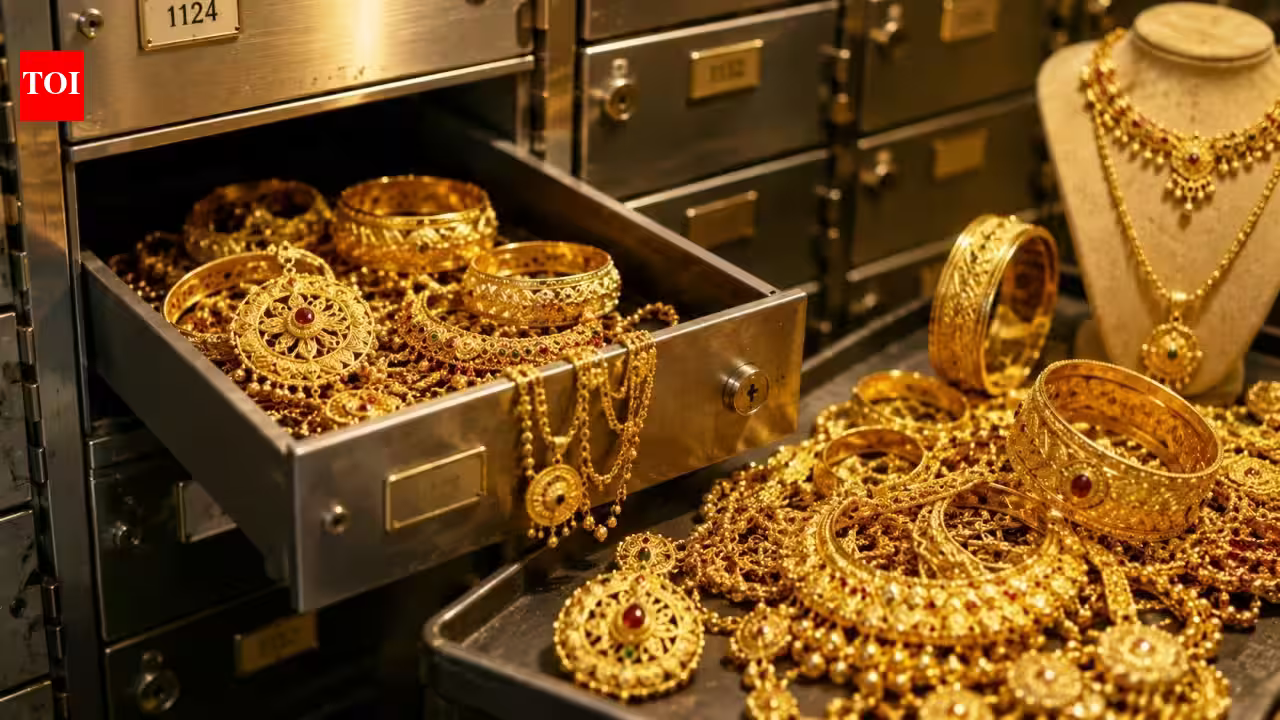
For generations, Indian households have viewed gold as a sacred safety net—a precious metal to be locked away in vaults, passed down through lineages, and rarely touched. However, a significant cultural and financial shift is underway. As domestic market valuations hit record highs, a new generation of Indians is rewriting the narrative, moving away from “hoarding” to “utilizing” their gold assets to fund major life milestones.
From Emotional Asset to Financial Engine
The traditional reluctance to part with inherited jewellery is fading. Families are increasingly viewing their lockers not as treasure chests, but as untapped capital reserves.
Consider the case of the “Patils,” a young couple in their late 20s. Faced with the ambition of buying their first home in Navi Mumbai, they made the pragmatic decision to sell their inherited gold, including bridal sets and heavy bangles. The transaction yielded nearly Rs 20 lakh, effectively cushioning their down payment. The result was not just a new home, but a improved quality of life: their monthly home loan EMI dropped by Rs 20,000, providing the couple with newfound disposable income for travel and lifestyle upgrades.
This trend is not an outlier. Across the country, the narrative is shifting from sentimental preservation to strategic deployment. Whether it is funding a master’s degree in the United States, providing seed capital for new business ventures, or diversifying portfolios into equity, gold is being liquidated to fuel upward mobility.
The Rise of the “Recycling” Economy
Keyur Shah, CEO of Muthoot Exim, notes that the younger generation is driven by tangible milestones rather than the perceived emotional burden of holding onto dated jewellery. Consequently, major retail players are evolving.
“Stores have effectively turned into scrap-buying centres,” explains Rajiv Popley, director of the Popley Group. Recognizing that over 1 lakh tonnes of gold remain idle in Indian households, retailers are aggressively facilitating the evaluation and recycling of old ornaments. Consumers are either cashing out their old, heavy designs to fund investments or exchanging them for contemporary pieces that better suit modern, daily-wear aesthetics.
Economic Drivers: Why Now?
The catalyst for this behavioral shift is the meteoric rise in gold prices. With domestic prices witnessing a massive surge—climbing roughly 60% in FY2026—the “opportunity cost” of keeping gold idle has become impossible to ignore.
Market analysis by ICRA reveals a clear divergence in consumer behavior: while the volume of jewellery demand has dipped by 21%, the appetite for gold bars and coins has climbed by 22%. This indicates that Indian consumers are becoming increasingly sophisticated, treating gold as a liquid investment vehicle rather than merely a decorative heirloom.
The Road Ahead
While the emotional connection to gold remains deeply ingrained in Indian culture, the definition of “honoring” that wealth is changing. Experts suggest that the jewellery industry will continue to thrive, with a projected 15% growth in value for the current fiscal year. However, the nature of that industry is changing, with recycling and exchange programs becoming as vital as fresh sales.
For the modern Indian family, the lesson is clear: true wealth is not just in what you own, but in how you leverage it. As the Patils and countless others have discovered, the most valuable form of gold is often the one that helps you build your future.