







Sony and Microsoft Fight Class Action Lawsuits Over Tariff Refund Claims
Gaming giants Sony and Microsoft are pushing back against class-action lawsuits seeking to force the companies to pass on millions of dollars in federal tariff refunds to consumers. The legal battle centers on whether manufacturers are obligated to share the windfalls they received after the U.S. Supreme Court ruled that certain 2025 tariffs on imported electronics were illegal.
The Conflict Over Refunds
Earlier this year, Sony disclosed to investors that it expected to receive $508 million in refunds from the U.S. government. A significant portion of this amount was attributed to its gaming division, which had paid substantial tariff fees throughout 2025.
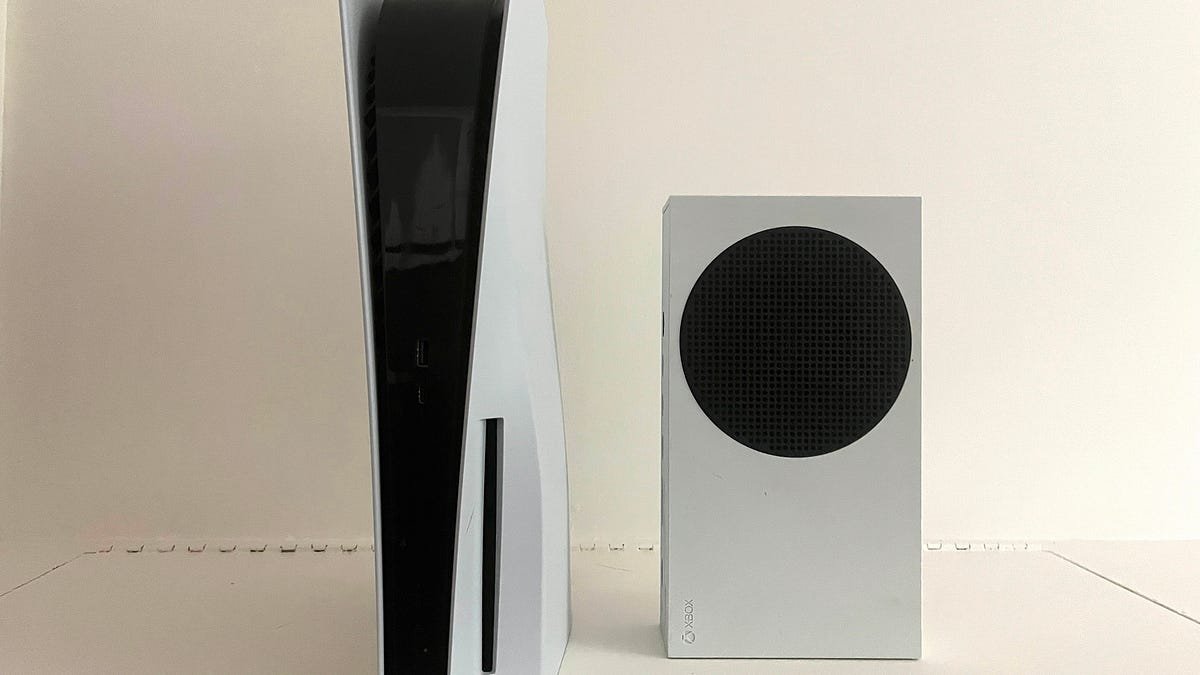
Following this disclosure, gamers filed class-action lawsuits in California and Washington, arguing that the price hikes implemented by Sony and Microsoft during the tariff period—which added $50 or more to the cost of consoles—should be partially reimbursed to customers. The plaintiffs contend that companies are effectively “double-dipping” by collecting elevated prices from consumers to cover tariffs, only to have those tariffs later deemed illegal and refunded by the government.
The Corporate Defense
Both Sony and Microsoft are aggressively seeking to have these cases dismissed. In filings this week, Sony’s legal team argued that the price consumers paid for consoles represents a “fair market price” for a “voluntarily purchased” product.
“Paying fair market price for voluntarily purchased consumer goods is not a legally cognizable injury in fact,” Sony’s lawyers stated in a motion filed in California’s Northern District.
Microsoft, facing a similar suit, echoed this sentiment in late August. Their counsel argued that there is nothing unjust about a consumer receiving the product they paid for at an advertised price, regardless of their retrospective theories on the company’s internal cost structures. Both companies also maintain that there is no evidence the price increases were exclusively tied to tariffs, citing other market factors such as inflation, component costs, and currency fluctuations.
Sony further bolstered its defense by pointing to a 2026 price hike that occurred after the tariffs were invalidated. The company argues that if the initial price increases were purely a reaction to the tariffs, they would have logically lowered prices once those tariffs were removed.
An Outlier in the Industry
While the major console manufacturers remain steadfast, one hardware maker has taken a different approach. Panic, the company behind the “Playdate” handheld, recently announced it would be passing its tariff refunds directly back to its customers. To date, it remains the only gaming hardware manufacturer to make such a pledge.
As these legal fights continue, Sony and Microsoft say they’re not legally required to share these government payouts, leaving the final decision in the hands of the courts.
In Other News: A Digital Pioneer Returns
In a separate development in the gaming industry, veteran journalist and author Wagner James Au is returning to Linden Lab, the creators of the virtual world Second Life. Having served as a dedicated in-world correspondent for the company between 2003 and 2006, Au will step into a new role as an editorial advisor and business development specialist.
Au, who has continued to chronicle the virtual world through his long-running publication New World Notes, intends to help share the stories of Second Life’s 650,000 active monthly users with the mainstream press, hoping to highlight how the platform continues to mirror and predict broader internet trends.