








Climate Progress Stalls: European Nations Face Renewed Pressure as Emissions Creep Upward
BRUSSELS — A worrying trend has emerged across the continent, as the latest national data reveals an unexpected uptick in greenhouse gas emissions among several major European economies. The figures, which come at a critical juncture for the European Green Deal, have sparked urgent calls for policymakers to reconsider their current decarbonization strategies.
For years, Europe has touted its steady decline in carbon output as proof that economic growth can be decoupled from environmental degradation. However, recent reports indicate that the momentum toward net-zero targets is beginning to falter.
A ‘Warning Sign’ for Policy Makers
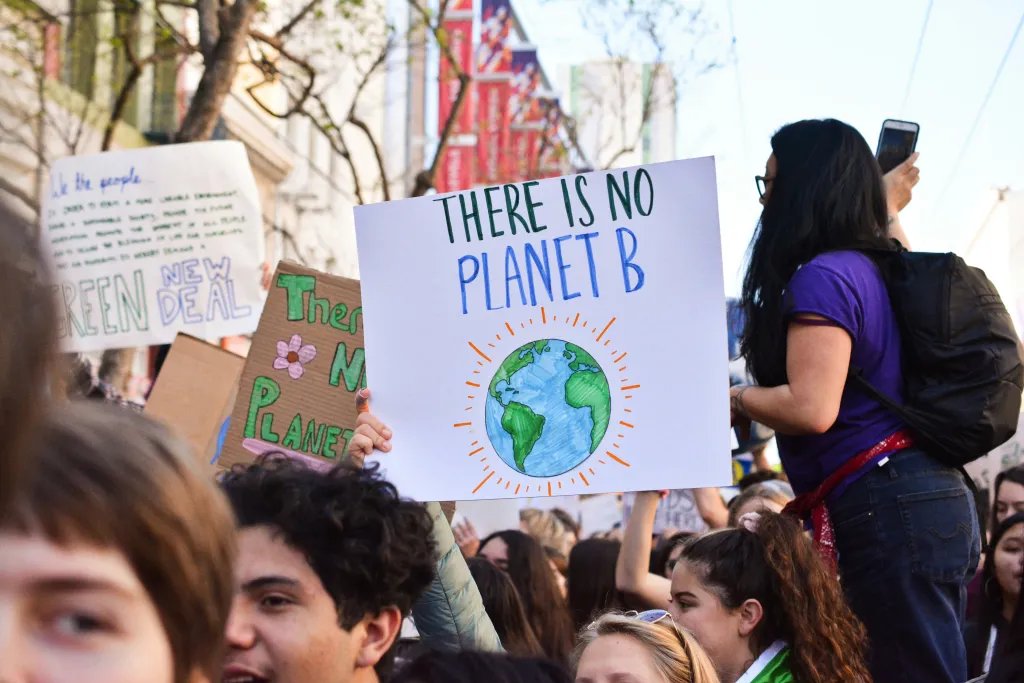
Environmental advocacy groups are sounding the alarm, noting that the recent rise in emissions is not merely a statistical anomaly but a potential shift in the trajectory of the continent’s climate efforts.
“This is a warning sign,” said one prominent campaigner, echoing the sentiments of climate scientists who argue that current measures—particularly in the industrial and heating sectors—are failing to keep pace with global heating requirements.
As the continent grapples with the complexities of the energy transition, experts point to a variety of factors contributing to this stagnation. These include the lingering reliance on fossil fuels during energy price volatility, infrastructure bottlenecks, and a slower-than-anticipated rollout of renewable energy integration in heavy industry.
The Impact on Climate Goals
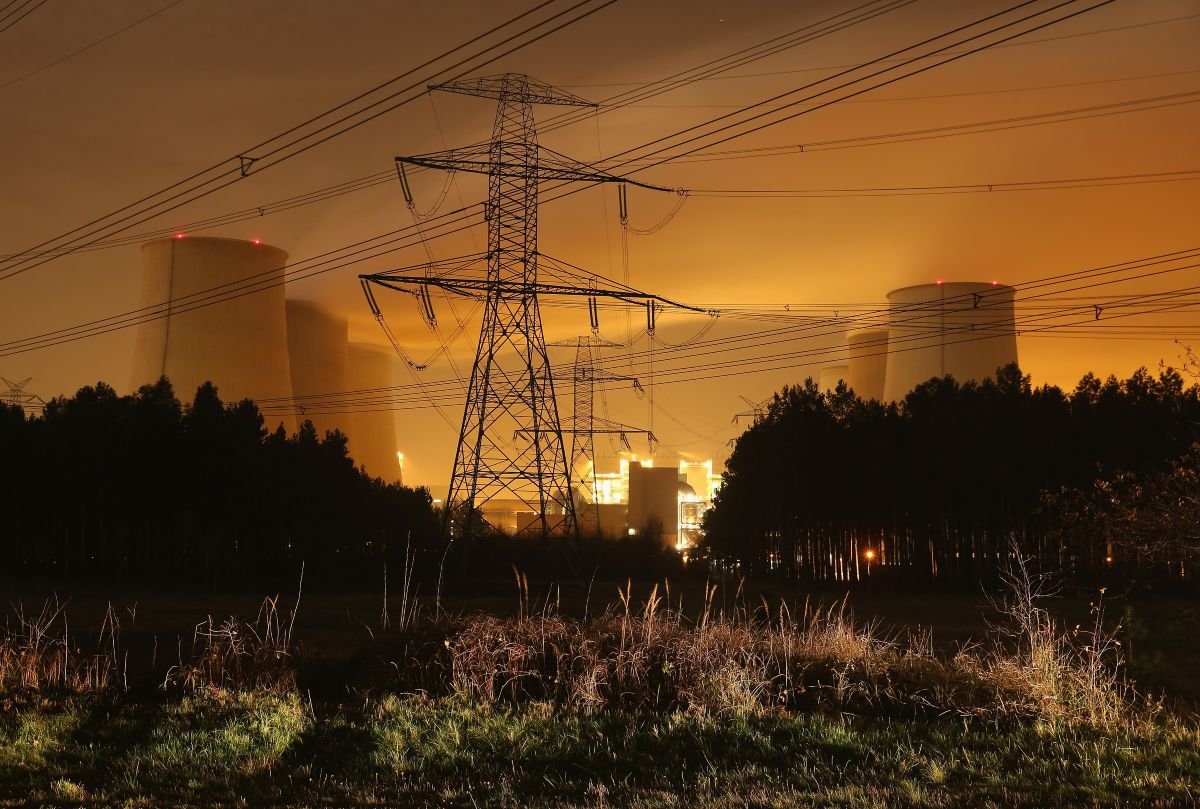
The stalling of climate progress across major European economies poses a significant hurdle for the European Union’s long-term commitments. With the 2030 targets looming, the data suggests that member states may need to implement more aggressive policy interventions, including accelerated phase-outs of coal-fired power and enhanced incentives for green technology adoption.
The rise in emissions underscores a fragile balance: while many nations have successfully moved toward greener electricity grids, the decarbonization of transport and residential heating has proven significantly more difficult.
Looking Ahead
As Brussels prepares to review the progress of member states, the pressure is mounting on national governments to bridge the gap between their ambitious climate rhetoric and the reality on the ground.
Whether this uptick in emissions is a temporary setback caused by macroeconomic fluctuations or a permanent roadblock to the EU’s climate leadership remains to be seen. However, for those monitoring the environmental health of the continent, the message is clear: the path to a sustainable future is far from secured, and the window for effective action is rapidly closing.