








NVIDIA’s Evolution of Neural Rendering: DLSS 5 and the Path to Ubiquity
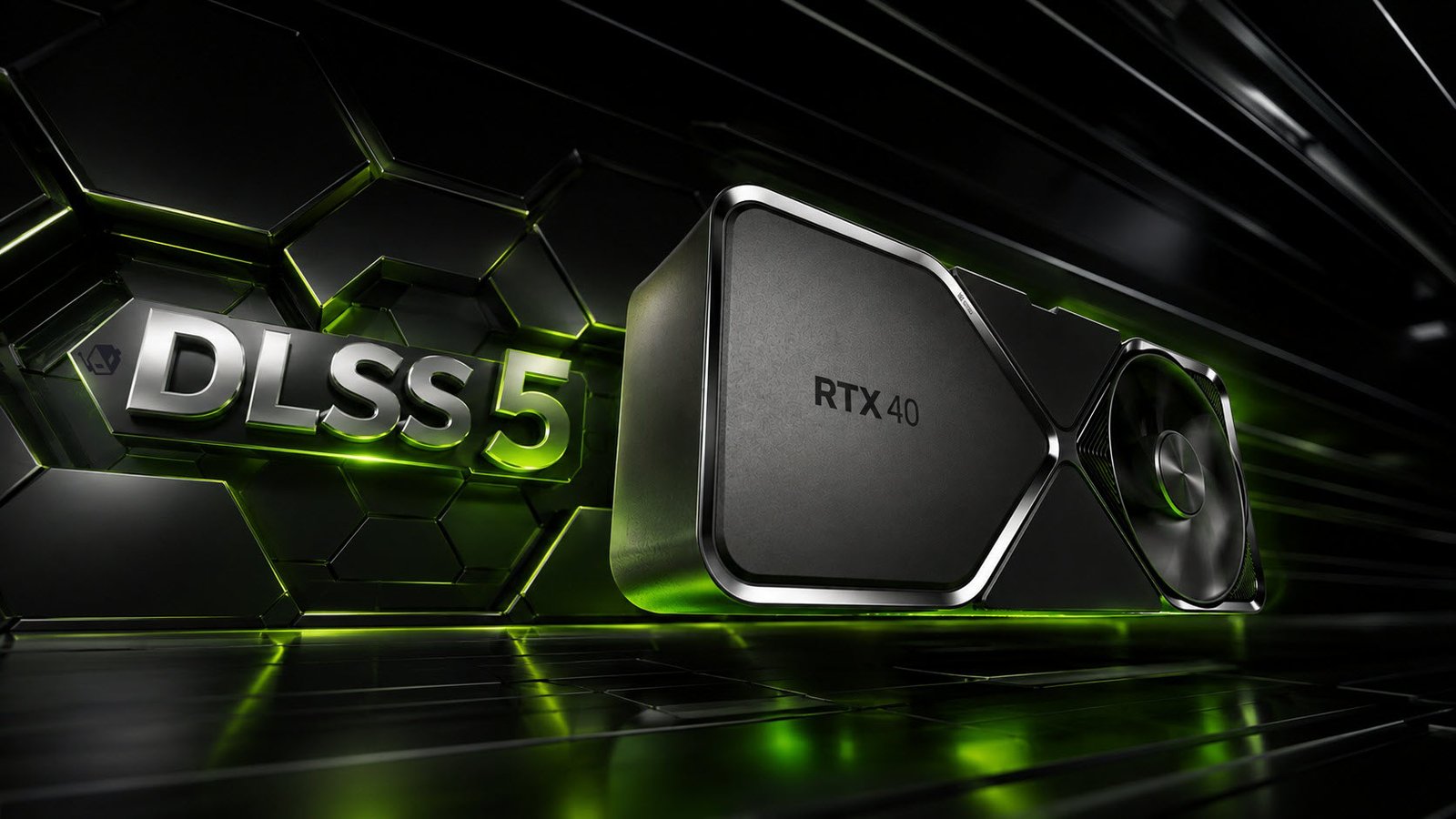
The landscape of visual computing is undergoing a paradigm shift as NVIDIA officially rolls out DLSS 5. Marking a significant evolution in Technology, this iteration introduces 3D-Guided Neural Rendering, a sophisticated technique that uses artificial intelligence to reconstruct scenes with unprecedented precision. While the rollout begins exclusively with the flagship GeForce RTX 50 series, NVIDIA has confirmed that this high-fidelity AI-driven rendering will eventually extend to the existing RTX 40 series, bridging the gap between cutting-edge hardware and current gaming installations.
Decoding 3D-Guided Neural Rendering
At its core, DLSS (Deep Learning Super Sampling) is a Software solution that leverages deep learning to upscale images, allowing for higher resolutions and frame rates without taxing the system’s raw rendering power. DLSS 5 elevates this by utilizing 3D-guided neural rendering. In simple terms, instead of just guessing how to “fill in the blanks” of a low-resolution frame, the system uses 3D spatial data to understand the lighting, geometry, and motion vectors of the game world. This produces visuals that are not only sharp but temporally stable and physically accurate, effectively simulating the appearance of reality in real-time.
Optimization and the 5X Performance Leap
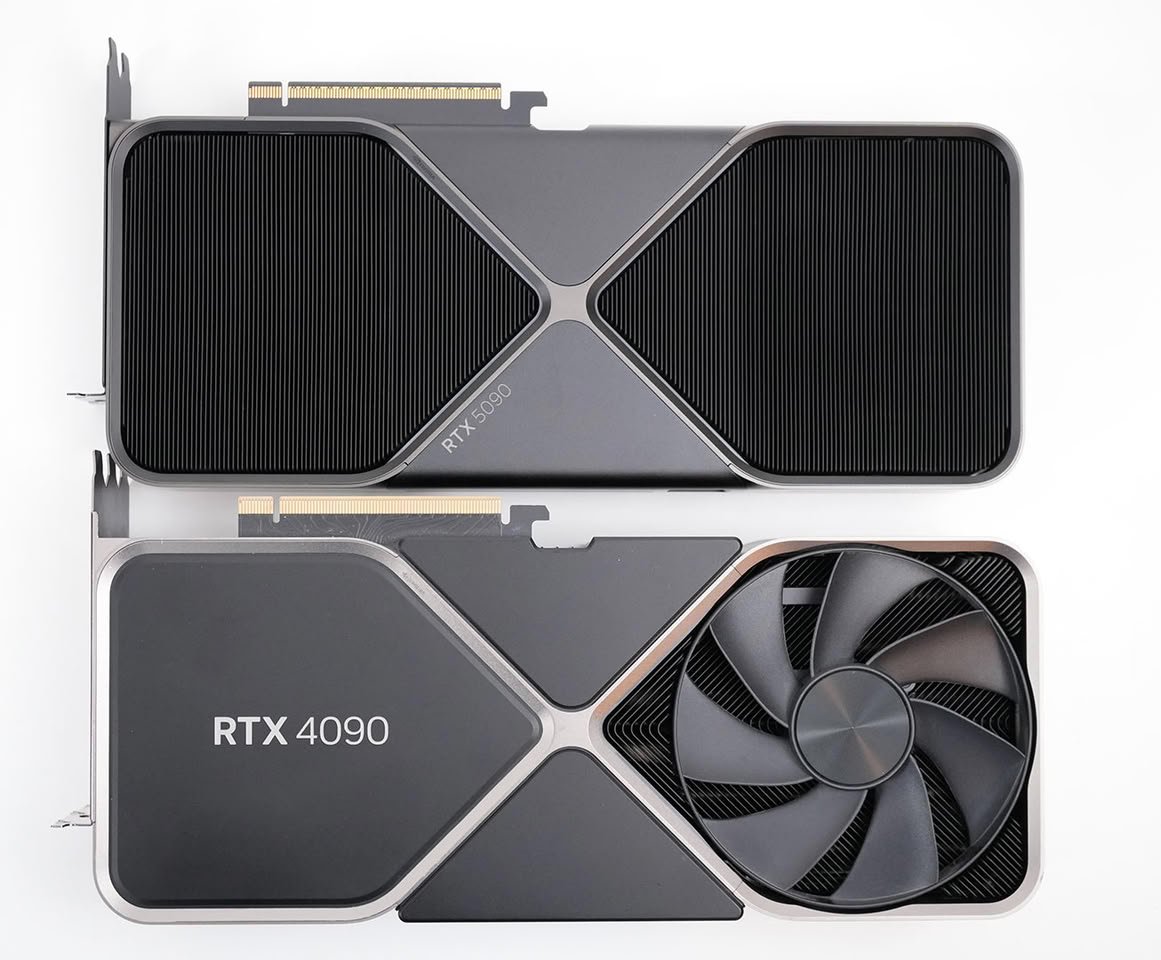
The technical journey of DLSS 5 is a testament to the power of iterative optimization. When initially unveiled in March, the model was so computationally demanding that it required a pair of RTX 5090 GPUs just to run smoothly. Through a meticulous combination of kernel refinement, hardware-level co-design, and model compression, NVIDIA has achieved a 5X performance gain in just five months. By optimizing the neural network to be leaner and faster, they have successfully migrated the workload from dual-GPU setups to a single RTX 5090. This rapid maturation highlights the agility of modern AI engineering, where software fine-tuning can essentially unlock “new” performance levels on existing hardware.
Expanding Support: From Blackwell to Ada Lovelace
The strategic decision to prioritize the RTX 50 series (Blackwell architecture) allows NVIDIA to fine-tune the model under controlled, high-performance conditions. Once this phase reaches maturity, the company plans to bring this functionality to the RTX 40 series (Ada Lovelace architecture). This is a critical move for the industry, as it ensures that the longevity of high-end consumer hardware is extended through software updates. While RTX 40 cards lack some of the specific hardware-accelerated “MFG” (Multi-Frame Generation) modes present in the new generation, the ongoing aggressive optimization of the DLSS 5 model suggests that by the end of the year, the performance cost could drop significantly—potentially to a marginal 10-15% impact, making it viable for a wider array of GPUs.
Industry Impact and Future Horizons
The push toward DLSS 5 signals a future where raw hardware throughput matters less than the “intelligence” of the rendering stack. By offloading complex visual calculations to neural networks, developers gain more control over scene fidelity, and consumers benefit from a longevity cycle where their graphics cards gain value over time through firmware and driver-level enhancements. As NVIDIA continues to shrink the computational overhead of these models, we may soon see support trickle down to the RTX 30 and even RTX 20 series, as seen in unofficial community mods. Ultimately, DLSS 5 is not just about frames per second; it is about redefining the boundaries of what is possible within the constraints of modern gaming hardware.
Source: Read Original News