







The Resurrection of a Titan: Analyzing Blizzard’s Strategic Return to the StarCraft Universe
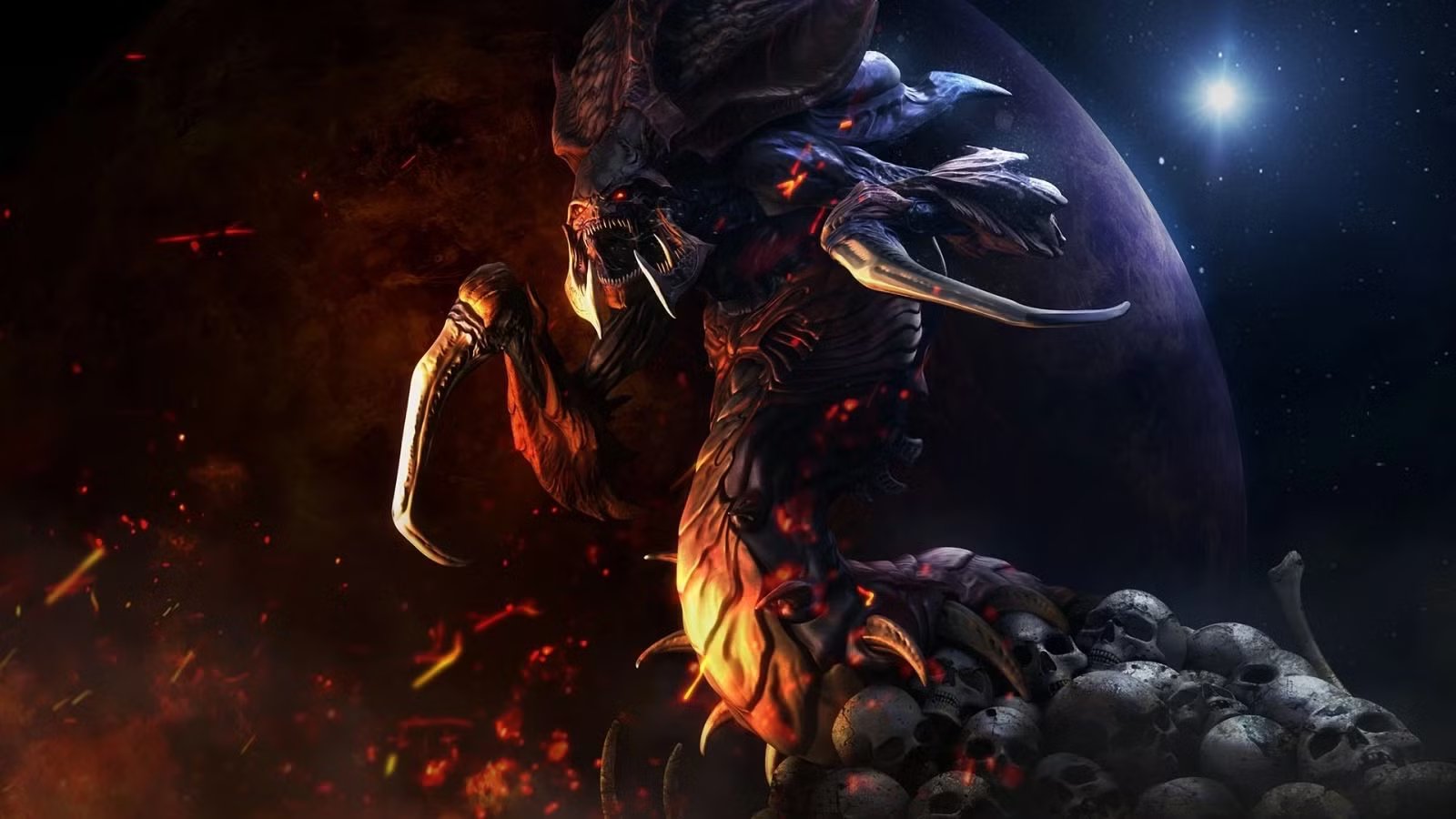
The gaming industry is currently abuzz with a level of speculation not seen in nearly a decade. After years of dormancy, Blizzard Entertainment appears to be orchestrating a calculated revival of the StarCraft franchise. Technical analysts and enthusiasts have identified a series of sophisticated, “glitch-themed” anomalies embedded within the official StarCraft web portal. These breadcrumbs, ranging from redacted internal communications to binary-coded logs, suggest a narrative expansion set approximately 70 years post-Legacy of the Void. As the industry pivots toward the integration of advanced Technology and immersive storytelling, this potential revival represents more than just a sequel; it is a signal of Blizzard attempting to reclaim its position at the vanguard of the real-time strategy (RTS) and shooter genres.
Decoding the Digital Trail: Technical Evidence of a Revival
The methodology behind this teaser campaign relies on “Arg” (Alternate Reality Game) mechanics, a technique that leverages web-based metadata to drive community engagement. By examining the JavaScript console of the official StarCraft site, astute users uncovered encrypted data logs that mirror the lore of the Terran Dominion. From a technical perspective, these aren’t merely decorative glitches; they are a deliberate narrative delivery system.
The inclusion of specific mission identifiers, such as “Special Order 176” and the mention of “Theta Squadron” docking protocols for 2575, indicates that developers are building a continuity bridge. While modern Software development often utilizes such interactive marketing to build hype, the depth of this ARG—referencing specific lunar mining complexes and classified cargo manifests—points toward a well-funded project, likely the long-rumored open-world shooter currently in development under veteran producer Dan Hay.
The Evolution of the StarCraft Engine and Genre
For years, the industry has questioned how Blizzard would adapt the high-APM (actions-per-minute) complexity of StarCraft for a modern audience. The transition from a top-down strategy format to an immersive shooter is a significant shift in design philosophy. This transition suggests the integration of sophisticated AI, which will be critical in managing complex unit interactions and environmental reactivity in an open-world setting.
In simple terms, while the original StarCraft relied on static pathfinding and player-directed movement, a modern shooter iteration will require “procedural awareness”—where non-player characters and terrain-based obstacles react in real-time to the player’s presence. The utilization of Blizzard’s modern proprietary engines will likely offer enhanced physics simulations and asset density, providing a level of visual fidelity that the franchise has not previously experienced.
Strategic Implications for the Gaming Ecosystem
The impact of a new StarCraft title on the current gaming landscape cannot be overstated. By potentially partnering with industry giants like Nexon, Blizzard is signaling a shift toward collaborative development models to leverage regional expertise in online multiplayer infrastructure. This is a critical strategic move, as the modern player base demands high-availability, low-latency, and cross-platform compatibility—factors that define the success of contemporary live-service titles.
If Blizzard successfully bridges the gap between the tactical depth of their legacy RTS titles and the visceral appeal of a high-fidelity shooter, it could redefine the “strategy-shooter” hybrid market. Furthermore, the successful integration of deep lore into a modernized gameplay loop will set a new benchmark for how legacy franchises handle IP (Intellectual Property) evolution.
Looking Forward: BlizzCon 2026 as the Inflection Point
As we approach BlizzCon 2026, the question is no longer whether StarCraft will return, but what form that return will take. The juxtaposition of internal redacted logs with the silence from executive leadership suggests a marketing strategy rooted in discovery. For the tech and gaming communities, this is a masterclass in audience retention; by leaving technical breadcrumbs, Blizzard ensures that their most loyal, technically proficient fans are the ones telling the story to the rest of the world. Whether this manifests as a full-scale StarCraft 3 or a genre-bending shooter, the return of this franchise signifies a renewed focus on high-production, narrative-heavy experiences that prioritize the legacy of a legendary sci-fi universe.
Source: Read Original News