




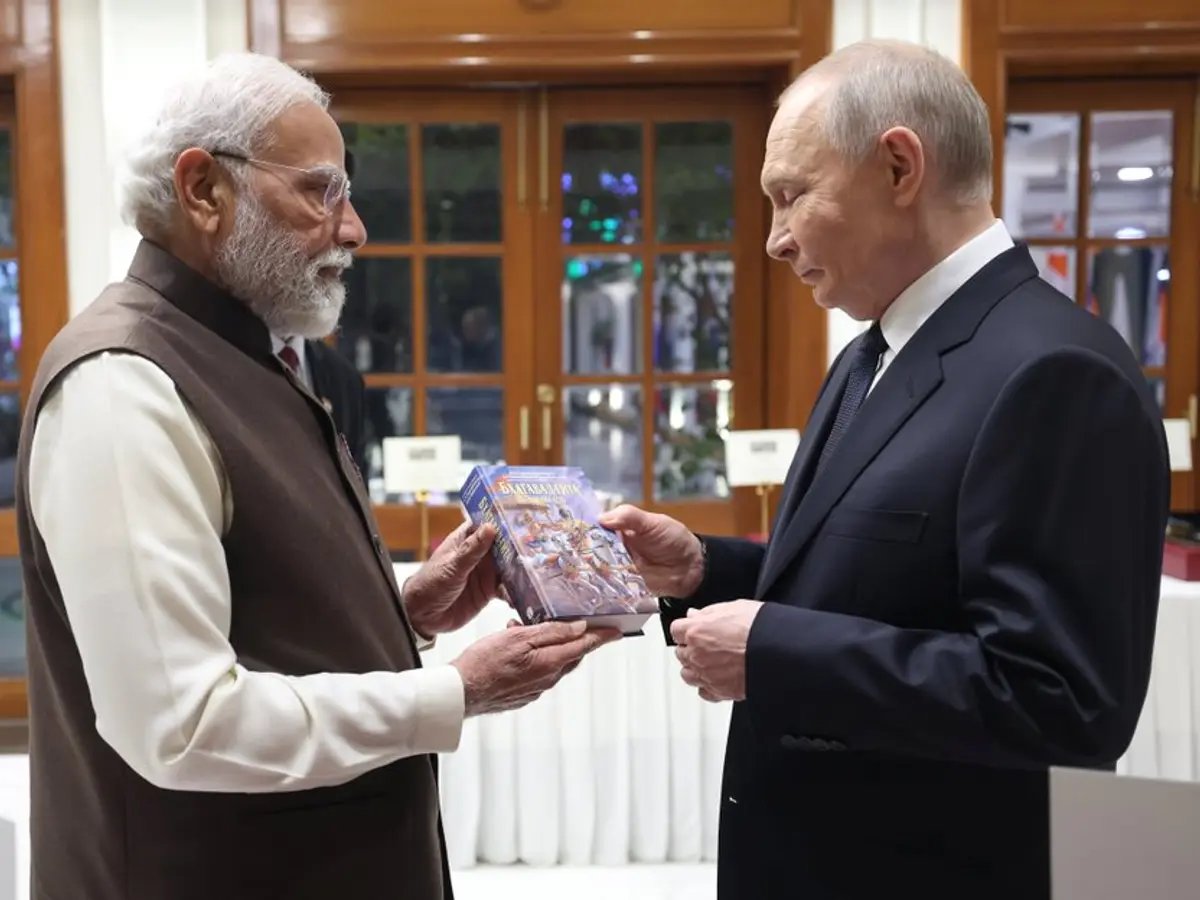
Russian President Vladimir Putin is widely expected to visit Delhi in September 2026 to attend the BRICS Summit, a move that highlights the enduring, albeit complex, strategic partnership between Moscow and New Delhi. This visit will mark the Russian leader’s second trip to India in less than a year, following the annual bilateral summit held in December 2025. While such diplomatic engagements are routine for long-standing allies, this particular meeting occurs against a backdrop of intensifying economic pressure from the United States regarding India’s continued reliance on Russian energy. The Kremlin’s interest in the visit is clear: maintaining access to major global markets is vital for Russia, and for the Modi administration, the summit serves as a platform to navigate the delicate balance between sustaining its energy security and managing its critical, multifaceted relationship with Western powers.
At the heart of the geopolitical friction is the sustained volume of Russian crude oil imports. Trade data from July 2026 revealed that Russian supplies accounted for a staggering 50.83% of India’s total oil intake, roughly 2.47 million barrels per day. This dependency is not merely a diplomatic choice but a byproduct of economic necessity and refinery efficiency. In August 2025, the Trump administration responded to these imports by imposing a 25% tariff on Indian goods, which, when coupled with existing duties, totaled 50%. Although Washington lifted the additional 25% levy in February 2026—conditioned on India committing to phase out Russian energy—the executive order explicitly retains the right to reinstate these penalties should imports persist. The fact that Russian oil continues to dominate India’s energy basket makes the upcoming BRICS discussions exceptionally high-stakes.
India’s inability to rapidly pivot away from Russian crude is rooted in the practical realities of energy infrastructure and market volatility. Beyond oil, the trade relationship includes critical agricultural inputs like fertilizers, which are essential for domestic food security, and long-term defense sustainment. While India has actively sought to diversify its procurement by engaging with partners in the Middle East and Africa, immediate substitution is not feasible without significant cost escalations that would ultimately burden the Indian consumer. Consequently, the government in Delhi is pursuing a strategy of “strategic autonomy,” aiming to safeguard its national interests while avoiding the binary trap of choosing between Washington and Moscow.
As the summit approaches, the narrative remains one of carefully managed equilibrium. For the international community, the meeting will be a litmus test of how effectively India can protect its economic interests while navigating shifting global alliances. While the official agenda for the BRICS Summit 2026 will cover energy security, payment mechanisms, and trade imbalances, the subtext will undoubtedly focus on the future of US-India trade relations. Whether India can continue its current import trajectory without reigniting a tariff war remains the defining question of its current foreign policy, placing the Modi government at a precarious, yet vital, diplomatic crossroads.
Source: Read Original News