






The Evolution of Neural Rendering: NVIDIA DLSS 5 and the Future of Upscaling
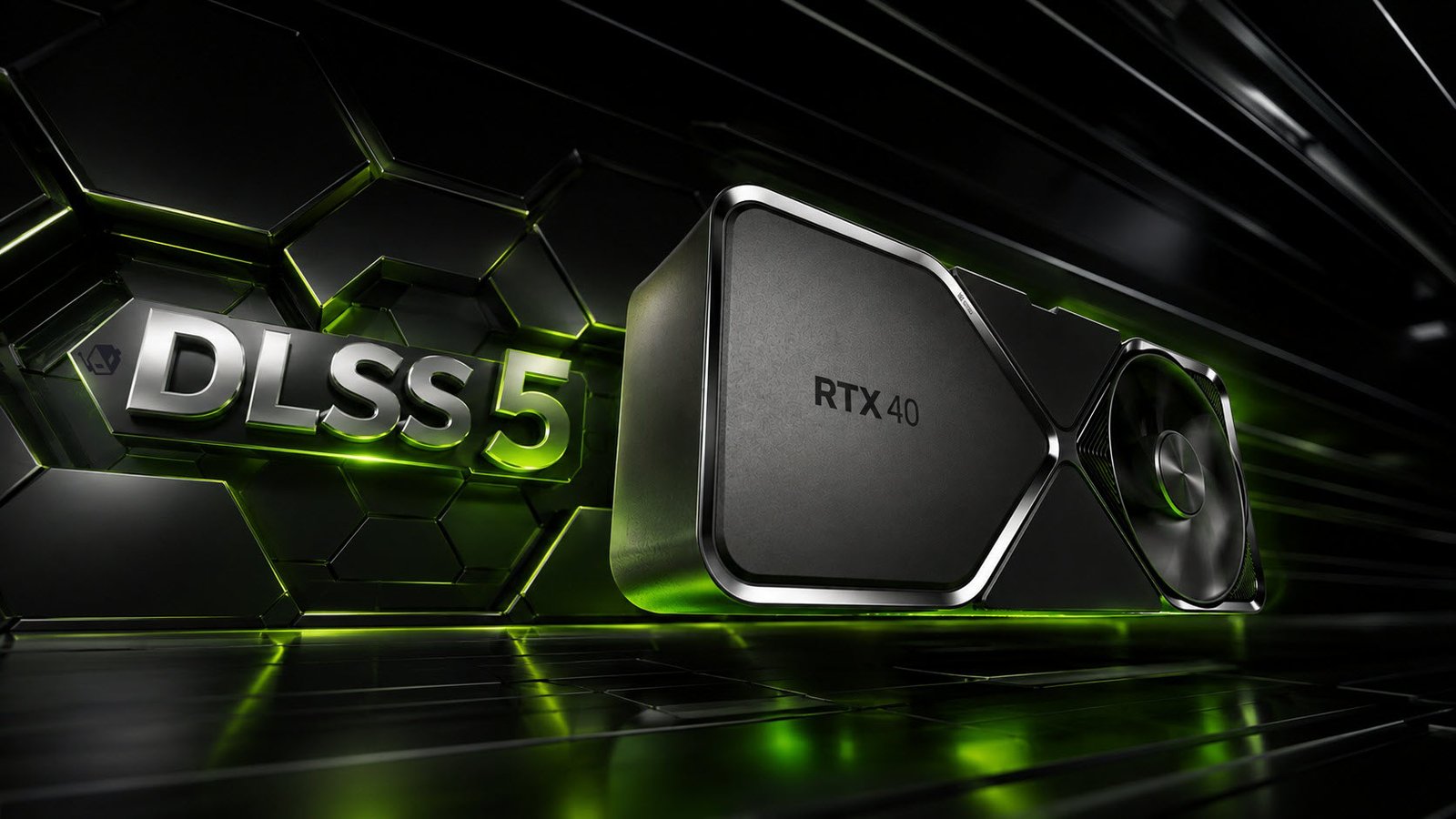
The landscape of Technology is currently undergoing a paradigm shift, moving away from traditional pixel rendering toward a more intelligent, AI-driven framework. NVIDIA’s recent announcement regarding the deployment of DLSS 5 (Deep Learning Super Sampling) represents a critical milestone in this transition. Initially perceived as an exclusive feature for the cutting-edge “Blackwell” RTX 50-Series architecture, NVIDIA has officially confirmed that it is actively developing a port for the previous-generation “Ada Lovelace” RTX 40-Series. This move signals a strategic shift in how the company approaches Software integration, prioritizing the longevity of its hardware ecosystem through continuous algorithmic refinement.
Understanding the Mechanics of DLSS 5
At its core, DLSS is a form of “neural rendering.” In simple terms, instead of a computer trying to draw every single pixel of a high-resolution image from scratch—which is incredibly taxing on hardware—it renders the image at a lower resolution and uses an AI-trained model to “fill in the blanks.” DLSS 5 elevates this process by utilizing fifth-generation Tensor cores—the specialized processing units on a GPU designed specifically for machine learning calculations. By leveraging these cores, DLSS 5 constructs high-fidelity visuals that are often indistinguishable from native 4K resolution, even when the input source is significantly less demanding. This reduces the load on the graphics card, allowing for higher frame rates and more immersive visual effects, such as complex ray tracing.
The Challenge of Compute-Heavy Workloads
The transition to DLSS 5 has not been without its technical hurdles. NVIDIA has acknowledged that DLSS 5 is its most computationally demanding model to date. Unlike previous iterations, which were relatively lightweight, the new model requires a more profound dialogue between the software algorithm and the physical silicon. Currently, the technology is optimized for the fifth-generation Tensor cores found in the RTX 50-Series. Bringing this level of performance to the fourth-generation cores of the RTX 40-Series is no small feat; it requires significant architectural optimization to ensure that the computational cost of the AI process does not eclipse the performance gains it provides. NVIDIA’s current roadmap confirms that once the “Blackwell” series is fully tuned, the engineering focus will shift entirely to porting these complex models to the “Ada Lovelace” architecture.
Industry Impact and Longevity
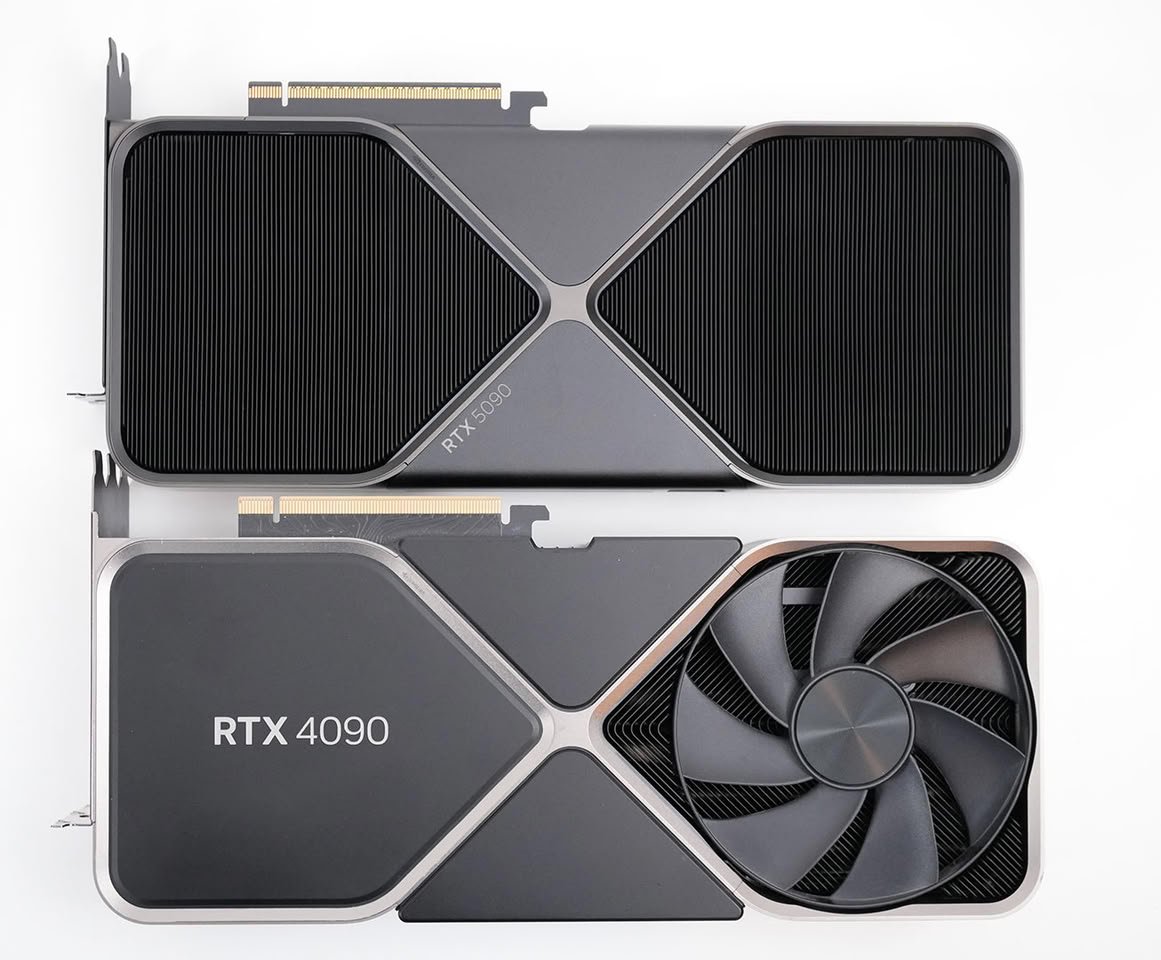
The decision to extend DLSS 5 support to the RTX 40-Series carries significant implications for the gaming and hardware industries. Historically, high-end features were often gated behind new hardware releases to drive consumer upgrades. However, NVIDIA’s commitment to backwards compatibility suggests a new philosophy: hardware value is now defined by its ability to evolve alongside intelligent Software. By optimizing these heavy neural models for previous generations, NVIDIA is effectively extending the lifespan of the RTX 40-Series, ensuring that users who invested in high-end cards just a year or two ago do not become obsolete overnight. This strategic approach strengthens customer loyalty and sets a new industry standard for how generational performance gaps are bridged.
A Forward-Looking Perspective
As DLSS 5 debuts with titles like NBA 2K27, the industry is watching closely. The initial testing phases, which saw the technology requiring dual RTX 5090 GPUs for stability, have matured significantly, with current optimizations allowing for smooth performance on a single card. This trajectory demonstrates the rapid pace of refinement in modern graphics rendering. For the end user, this means that the threshold for high-performance gaming is no longer just about raw hardware “horsepower”—the number of brute-force calculations a card can do—but rather about how effectively a system can integrate AI to enhance the visual pipeline. As these models become more efficient, we can expect the democratization of high-fidelity gaming, where even mid-range hardware achieves results previously reserved for top-tier professional workstations. The future of gaming is undoubtedly neural, and NVIDIA is setting the blueprint for how that transition will occur across its entire product lineup.
Source: Read Original News