









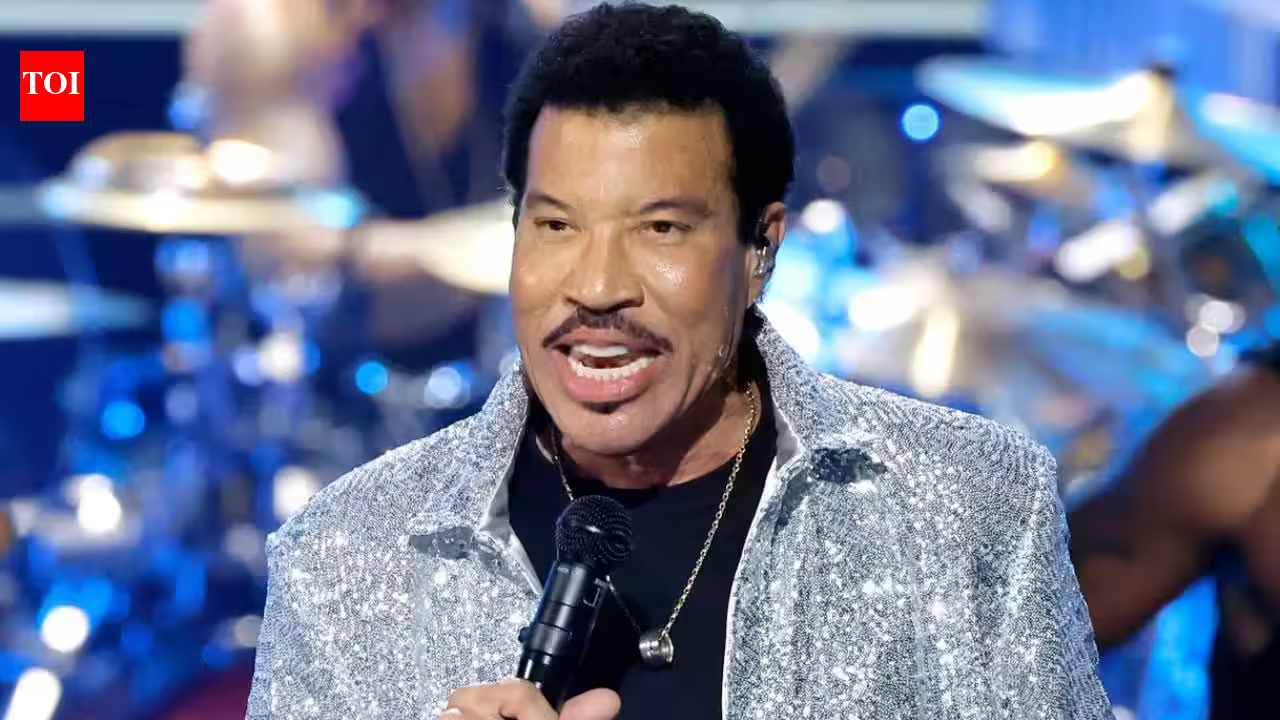
The Philosophy Behind the Music
The essence of artistry often lies in the ability to distill complex human struggles into a simple, resonant phrase. When Lionel Richie declared, “Everybody wants me to be what they want me to be, but I’m not happy when I try to fake it,” he captured a universal tension. This sentiment, immortalized in the 1977 track “Easy,” serves as a cornerstone for understanding the pressures faced by public figures and private individuals alike. It addresses the friction between external demands and internal truth.
For Richie, these words were not merely lyrics but a declaration of independence during his tenure with The Commodores. By the mid-1970s, the group was a musical juggernaut, and the demand for hit records placed immense pressure on its primary songwriters. Choosing to write about the exhaustion of performance—not just on stage, but in daily life—allowed Richie to reclaim his autonomy. The song posits that the act of pretending to be a version of oneself that satisfies others is a drain on the human spirit. It argues that personal contentment is impossible when an individual prioritizes the comfort of others over their own moral and psychological alignment.
Tracing the Origins of a Classic
“Easy” was not just a commercial success for The Commodores; it was a defining moment in Richie’s transition from a band member to a singular voice in American music. When the track was released on the self-titled 1977 album, it defied the high-energy expectations often placed on funk and soul groups of the era. Instead, it offered a laid-back, introspective rhythm that highlighted Richie’s talent for storytelling.
Looking back at his early life in Tuskegee, Alabama, it is clear that Richie’s upbringing influenced his perspective on authenticity. Joining The Commodores in 1968 after forming the group at Tuskegee Institute, he spent years refining his craft within the structure of a collective. The transition to Motown Records in 1971 placed him in a fast-paced environment where his output was consistently measured by charts and radio play. Despite this, he remained focused on composing music that felt grounded in reality. The narrative of “Easy” represents a turning point where Richie recognized that his growth as an artist required him to detach from the pressure to constantly produce what the industry deemed a hit, in favor of producing what he deemed truthful.
The Evolution of an Iconic Solo Career
While his time with The Commodores established his reputation, Richie’s shift toward a solo career in the early 1980s solidified his status as a global icon. His 1983 album, “Can’t Slow Down,” stands as a masterclass in pop production and songwriting versatility. With tracks like “Hello,” “All Night Long (All Night),” and “Dancing on the Ceiling,” he demonstrated an ability to pivot between melancholic balladry and high-energy dance music.
This versatility is often linked back to his early commitment to staying true to his own identity. By refusing to be boxed into a single genre, Richie expanded the boundaries of what a soul singer could achieve. His industry influence grew as he transitioned into the role of a songwriter for others, including the co-writing of the global anthem “We Are the World” with Michael Jackson. This charity project highlighted his capacity to leverage his fame for humanitarian efforts, further reinforcing the idea that his public persona was increasingly aligned with his personal convictions. His accumulation of four Grammy Awards and an Academy Award reflects the industry’s recognition of a talent that consistently chose substance over superficiality.
Staying Relevant in an Era of Expectations
Modern audiences continue to gravitate toward Richie’s work, not just for the nostalgia of the 1970s and 1980s, but because the message of individual agency remains pertinent. In an era dominated by digital performance and social curation, the idea of “faking it” is more prevalent than ever. Richie’s mantra serves as an anchor for fans navigating the digital age, suggesting that the pursuit of personal happiness is a radical act of self-preservation.
Reflecting on his career in a 2024 interview with GRAMMY.com, Richie noted that he views the message of his early work as a guidepost for his entire life. The fact that he continues to tour extensively speaks to his endurance. His 2026 concert schedule, spanning cities from San Francisco to São Paulo, demonstrates that he has managed to maintain his professional relevance while staying true to the principles he established decades ago. By refusing to conform to the rigid demands that stifle growth, he has cultivated a longevity that few artists in the music industry achieve.
A Legacy of Authenticity and Performance
Lionel Richie’s influence is measured by more than his record sales or accolades; it is measured by the way his music has helped listeners define their own boundaries. By articulating the weariness of performing for others, he provided a vocabulary for his audience to examine their own lives. Whether he is performing in an intimate venue or a massive stadium, the core of his performance remains the same: a man who has learned that the only way to sustain a long career is to refuse to compromise his inner self.
As he prepares to wrap up his current tour cycle in Thackerville, Oklahoma, in early 2027, the industry looks back on a body of work that is as coherent as it is broad. His journey from Tuskegee to the heights of global fame is a testament to the idea that individuality is the most valuable commodity in entertainment. By continuing to share these lessons, Richie ensures that his music serves as both a source of entertainment and a reminder that the most important audience to satisfy is one’s own reflection. His career remains a template for how an artist can navigate the pressures of fame while holding onto the core tenets of their own personality.
Disclaimer: This content is auto-generated for informational purposes only.
Source: Read Original News