









Apple is poised to redefine its smartphone lineup with an aggressive development cycle spanning from its upcoming September event through 2028. Recent reports detail a significant expansion of the iPhone portfolio, shifting from a standard annual release cadence to a diversified strategy that incorporates folding displays, significant material overhauls, and advanced mechanical camera components. This roadmap highlights a move toward premium pricing tiers and experimental hardware form factors to maintain market dominance.
The 2026 Shift: Mechanical Innovation and Foldable Entry
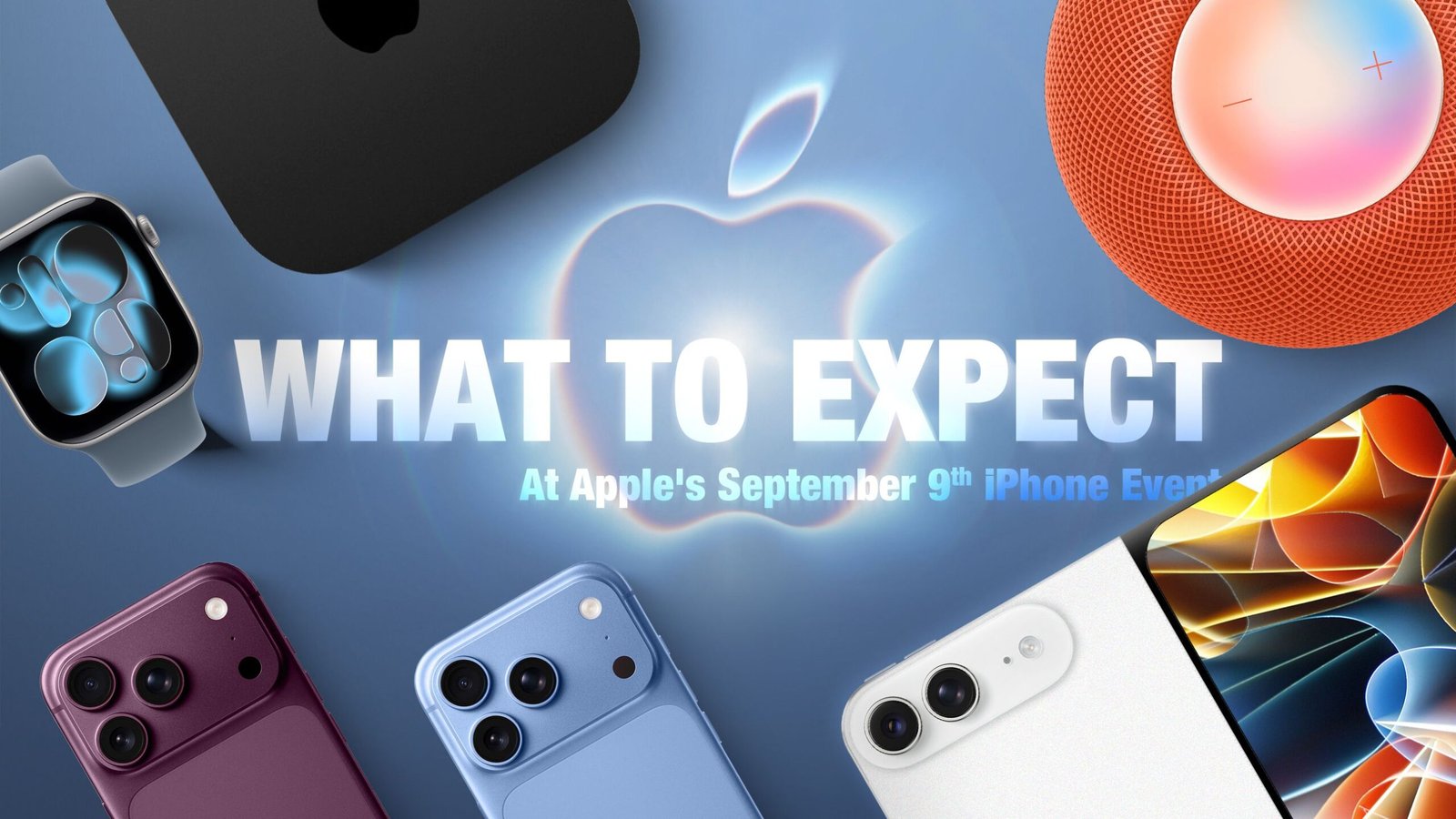
The immediate focus for the upcoming September 9 event centers on the debut of the iPhone 18 Pro series and the highly anticipated entry into the foldable market. The iPhone 18 Pro and Pro Max are expected to introduce a mechanical aperture camera feature, a significant departure from the fixed-aperture lenses that have defined smartphone photography for years. By allowing users to physically adjust the aperture, Apple aims to provide greater control over depth of field and low-light performance. These models will be powered by the A20 Pro chip and the new C2 modem, promising enhanced connectivity and efficiency.
Perhaps the most disruptive launch is the iPhone Ultra. This foldable device, reportedly the size of a passport when closed, represents a technical gamble for the company. With an expected price point exceeding $2,000, the device targets the luxury sector, incorporating an advanced hinge mechanism and the return of Touch ID, likely integrated into the display or frame to ensure functionality while the device is folded.
The 2027 Pro Evolution and 20th Anniversary Design
Looking ahead to 2027, Apple plans to implement its most significant structural redesign since the launch of the iPhone X. The Pro and Pro Max models are expected to celebrate the 20th anniversary of the iPhone with a complete aesthetic shift. Current projections suggest a chassis defined by curved glass spanning all corners and edges, combined with drastically reduced bezels. This design change aims to push the boundaries of current manufacturing capabilities, potentially creating a device that appears as a seamless piece of glass.
This year also marks a pivot in the standard lineup. The base iPhone 18 and the budget-focused 18e are expected to debut in the spring, signaling an attempt to capture market share during the first half of the year, separate from the high-end flagship launches in the fall. Meanwhile, the iPhone Air 2 will receive internal refinements, specifically targeting image quality with an upgraded Ultra Wide camera, alongside improvements to the processor and battery performance.
Foldable Technology and Future Hardware Cycles
The development of foldable hardware continues to be a central pillar of the company’s long-term strategy. Following the initial launch of the foldable iPhone Ultra in 2026, a second-generation model is already in active testing for 2027. While specific hardware details remain sparse, the focus remains on chip integration and perfecting the folding mechanism to meet Apple’s performance standards.
By 2028, the company intends to expand this segment with a larger foldable variant. This third-generation iteration will prioritize screen real estate, featuring increased display sizes for both the outer cover and the internal panel. This move reflects a broader industry recognition that, despite the complexity of folding displays, consumers consistently gravitate toward larger screens for media consumption, multitasking, and productivity.
Technical Challenges and Strategic Implications
Transitioning to these advanced form factors requires overcoming significant engineering hurdles. Mechanical camera apertures necessitate high-precision components that must remain durable under the stress of daily smartphone use. Similarly, the integration of an “advanced hinge” and the logistical complexities of thin-bezel, all-glass construction demonstrate a shift toward highly complex manufacturing processes.
For the consumer, these updates signal a move toward a more segmented iPhone experience. With the introduction of the 18e and the ultra-premium foldable tiers, Apple is clearly defining distinct classes of devices. The inclusion of new modems like the C2 indicates that the company is also investing heavily in proprietary wireless technology to ensure that its hardware remains future-proof against the next generation of network standards.
Assessing the Impact on the Smartphone Landscape
The move to a more varied product lineup through 2028 suggests that Apple is addressing the plateau in smartphone design innovation. By moving beyond the traditional flat slab and introducing physical moving parts in cameras and folding screens, the company is attempting to reignite interest in the hardware upgrade cycle.
Whether these devices will become the new industry standard remains to be seen. However, the move to include a “spring” launch cycle with the 18e and the departure from the fall-only release schedule suggests that Apple is prepared to exert more pressure on the market throughout the entire calendar year. As these products move from the testing phase into mass production, the core focus will remain on whether these sophisticated mechanical and structural features can provide tangible utility for users beyond mere aesthetic appeal. The coming years will reveal if this aggressive roadmap manages to successfully transition the iPhone from a mature product category into a new era of modular and adaptive mobile computing.
Disclaimer: This content is auto-generated for informational purposes only.
Source: Read Original News