








The Mechanics of Political Capital and Super PAC Financing
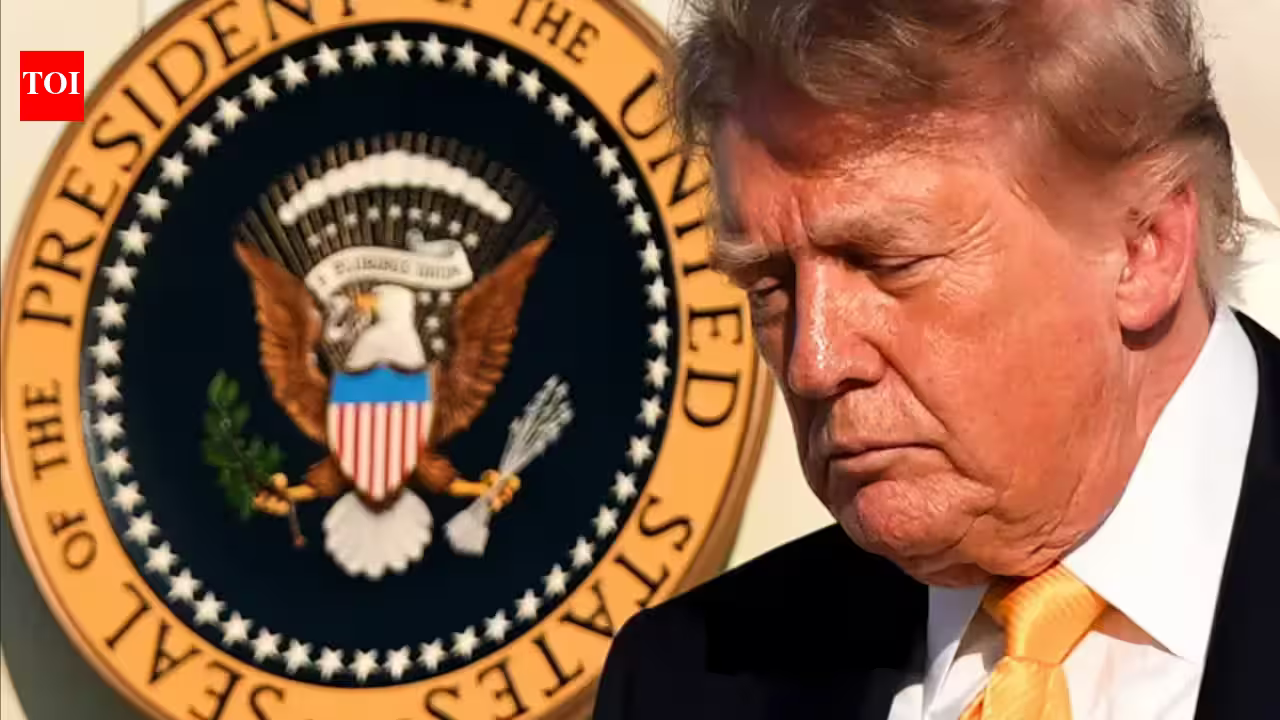
In the modern landscape of political campaigning, the mobilization of financial resources has become as critical as policy rhetoric. The recent announcement by US President Donald Trump to authorize an expenditure of approximately $500 million from the MAGA Inc. super PAC highlights a significant shift in how political organizations deploy capital to influence electoral outcomes. From an analytical standpoint, this move represents a strategic pivot toward concentrated spending, aimed at securing legislative control during a pivotal midterm election cycle.
The structure of a super PAC, or “independent expenditure-only committee,” allows for the collection of unlimited funds from individuals, corporations, and unions. Unlike traditional campaign committees, these entities are prohibited from contributing directly to a candidate’s campaign. Instead, they operate with a focus on broadcast advertising, digital outreach, and grassroots mobilization efforts that function independently of the official campaign machinery. The $500 million commitment mentioned by President Trump places this fund in a position of unprecedented financial dominance, often eclipsing the liquid assets of national party committees. This centralization of funding provides a high degree of agility, allowing political actors to inject liquidity into specific battleground regions where polling data suggests a narrow margin of victory.
Strategic Deployment in Competitive Markets
The core function of such a substantial war chest is to mitigate risk in high-stakes, competitive races. When analyzing this expenditure from a business management perspective, the allocation of funds serves as a tool for market protection—or in this case, electoral protection. By targeting specific House and Senate races, the organization is effectively prioritizing high-return investments where a marginal increase in spending could potentially sway the outcome.
However, the late-stage entry of these funds introduces a complex set of variables. Market timing is as essential in political campaigning as it is in commercial ventures. By initiating a major advertising push only months before the election, the organization risks encountering saturated media environments. In high-demand periods, the cost of advertising space typically escalates, and the efficacy of messages can be diluted by the sheer volume of competitor outreach. For Republican strategists, the challenge lies in optimizing the return on this investment, ensuring that the liquidity is deployed in geographies where voter preferences remain fluid rather than in districts where demographics have solidified.
Comparative Insights and the Indian Business Context
While the United States operates under a specific framework of campaign finance regulation, the underlying principle of resource allocation finds parallels in the Indian political and business landscape. In India, campaign spending is governed by strict electoral expenditure limits set by the Election Commission, which differ significantly from the American model of unregulated super PAC spending. However, the concept of “war chests” and strategic fund mobilization remains a universal constant in competitive sectors.
In the Indian corporate and political ecosystem, the emphasis is often on long-term sustainability rather than massive, concentrated bursts of short-term capital. Indian political parties, akin to large conglomerate entities, maintain diversified portfolios of support across various states, focusing on localized outreach and coalition building. When contrasting the two, the US system emphasizes the power of centralized, data-driven national funding, whereas the Indian model typically relies on extensive, ground-level network management. For Indian observers, the US approach illustrates the extreme scale that political marketing can reach when private funding is permitted to play an unrestricted role in influencing public sentiment. The potential for a $500 million expenditure demonstrates the transition of political campaigning into an industry driven by data analytics, high-frequency advertising, and professional asset management.
The Governance of Hybrid Political Organizations
One of the most complex aspects of the MAGA Inc. model is the governance structure of the “unauthorized” hybrid PAC. Because the organization does not exist solely to benefit a single candidate, but rather acts as an independent entity, the control mechanisms are uniquely tied to the influence of the founder. President Trump’s assertion that “this is money that I control” creates a distinct power dynamic. It signifies that the strategic direction—where and when the money is spent—is determined by a singular vision rather than a bureaucratic committee.
From a governance perspective, this structure offers efficiency but also raises questions about accountability. Unlike institutional party committees that must answer to a broad spectrum of donors and elected officials, a super PAC that operates under the directive of a primary figurehead can pivot its strategy rapidly. The ability to shift focus from immediate midterm needs to long-term objectives, such as the 2028 presidential cycle, provides the organization with significant strategic flexibility. This allows the fund to act as a permanent political institution rather than a temporary campaign vehicle. It enables the group to maintain a presence in the media long after the immediate election cycle concludes, thereby preserving brand equity and maintaining the visibility of its political agenda.
Analyzing the Long-Term Impact of Large-Scale Capital
The long-term impact of this capital injection will likely redefine the expectations for future electoral cycles. As parties and PACs observe the effects of massive, last-minute spending, there is a probability of a “spending arms race.” If this $500 million expenditure successfully influences the outcome of key Senate and House races, it will confirm the efficacy of the super PAC model as a dominant force in modern governance. This shift could lead to a permanent increase in the demand for political capital, changing the fundraising landscape for future elections.
Furthermore, the decision to potentially hold remaining funds for future use ensures that the organization remains a viable stakeholder in the political market. By treating political capital as a multi-year asset, President Trump and his team are essentially insulating their interests from the volatility of single election cycles. This approach demonstrates a shift in political strategy—from a “win at all costs” mentality for a single event to a comprehensive management of political influence. As these mechanisms continue to evolve, they will inevitably force a broader discussion on the role of extreme wealth in democratic processes, both in the United States and within the global context, where the influence of financial capital on political outcomes continues to be a subject of intense scrutiny and analysis.
Disclaimer: This content is auto-generated for informational purposes only.
Source: Read Original News