






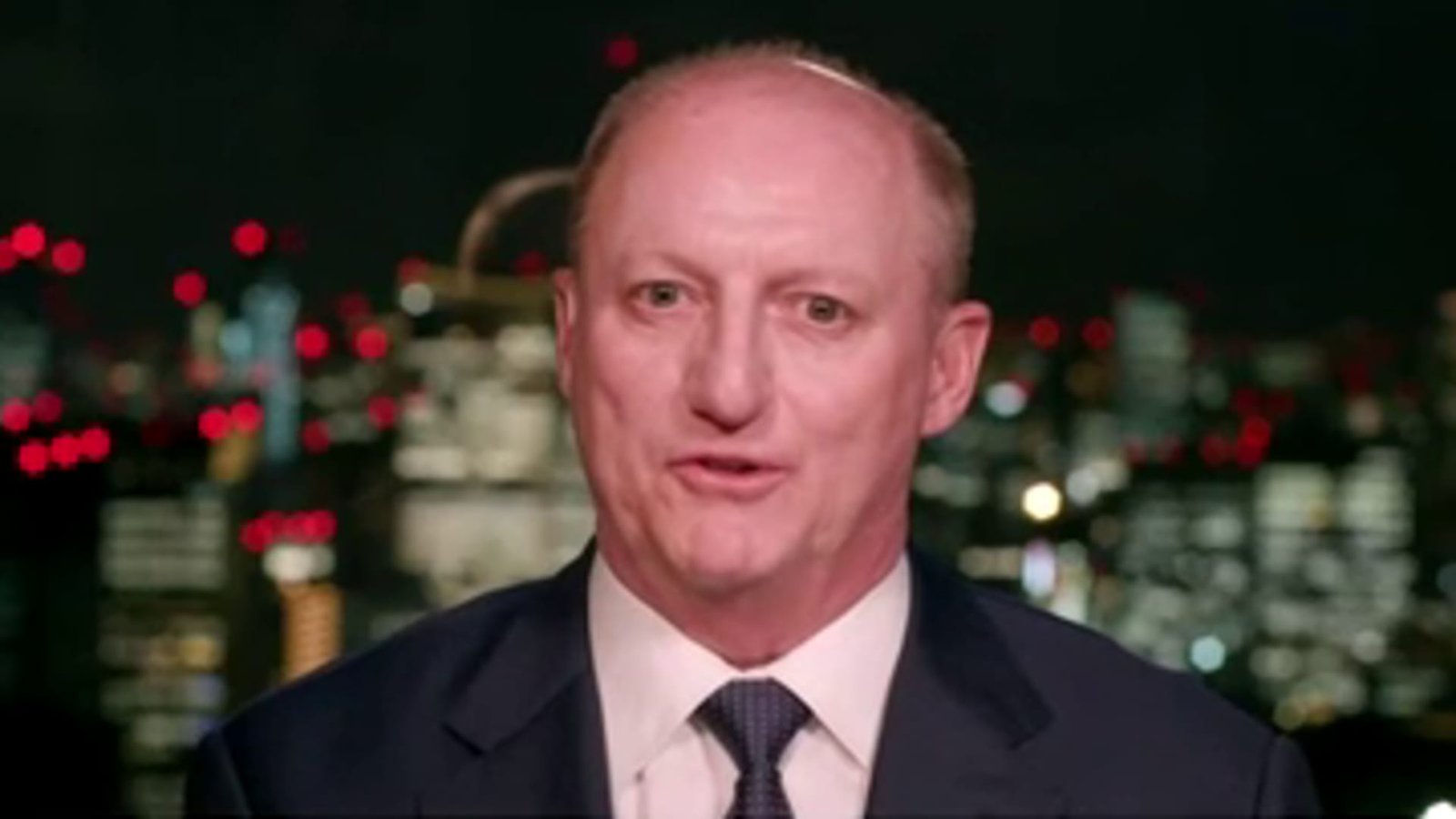
Berkshire Hathaway CEO Greg Abel is doubling down on his firm’s strategic interest in Japan, signaling a long-term commitment to the nation’s five major trading houses while navigating a shifting global landscape for artificial intelligence and infrastructure. Speaking from Tokyo, Abel confirmed that Berkshire has exceeded a 10 percent ownership stake in each of these trading giants—a move made possible only after receiving explicit approval from the Japanese firms themselves.
The relationship, which began six years ago on Warren Buffett’s 90th birthday, has evolved from a simple value investment into a multifaceted partnership. Abel noted that the trading houses have performed exceptionally well, largely due to disciplined capital management, including consistent share buybacks and increased dividends. For Berkshire, the strategy remains straightforward: maintain these holdings for decades while exploring further collaborative opportunities both in Japan and abroad.
The AI-Energy Nexus
Beyond the Japanese markets, Abel addressed the surging demand for energy as a fundamental constraint on the artificial intelligence boom. With his deep background in infrastructure at Berkshire Hathaway Energy and Kiewit, Abel views the current data center gold rush through a pragmatic, operational lens. He warned that while energy production is achievable, the timeline for site preparation remains a significant bottleneck.
Abel emphasized that Berkshire’s approach to powering the AI revolution is governed by a strict “net benefit” policy. Any energy infrastructure support provided to hyperscalers—major tech companies currently racing to build out their AI capabilities—must not negatively impact the utility rates of existing local customers. By focusing on sustainable practices, such as water conservation and community tax benefits, Abel believes energy providers can flip the narrative, positioning data centers as catalysts for grid modernization rather than as a drain on local resources.
Strategic Tech Investments and Portfolio Governance
The interview also shed light on how Berkshire manages its massive equity portfolio under the tandem leadership of Abel and Warren Buffett. Addressing the firm’s significant investment in Alphabet, Abel confirmed that while the initial position was spearheaded by Buffett, the subsequent decision to increase their stake through a block purchase was a coordinated effort.
The rationale behind the Alphabet investment is rooted in the broader impact of AI. Abel highlighted that Berkshire’s internal business operations provide a unique vantage point on how AI is already delivering tangible benefits. Seeing these improvements firsthand across various industries solidified the firm’s conviction that Alphabet is a critical player in the ongoing technological shift. Despite the transition of daily management responsibilities, the two leaders remain in constant dialogue, maintaining the rigorous, research-driven discipline that has defined Berkshire’s investment philosophy for decades.
Economic Outlook and Future Growth
Looking at the U.S. domestic market, Abel offered a cautious but grounded perspective on the housing sector. Despite recent acquisitions, such as the $6.8 billion investment in Taylor Morrison and a larger stake in Lennar, he rejected the notion of an immediate “hockey stick” recovery. Instead, he painted a picture of a challenging, long-term climb, acknowledging that while the American dream of homeownership remains a powerful driver, current interest rate pressures create a bumpy road ahead.
Overall, Abel remains optimistic about the underlying strength of the economy. While he acknowledges that the average consumer is clearly feeling the strain of inflationary pressures, the fundamental performance of Berkshire’s manufacturing and resource-based businesses remains robust. As the company continues to leverage its yen-denominated debt—a strategy that remains profitable despite rising interest rates in Japan—Abel’s focus stays fixed on identifying long-term value in a rapidly evolving technological and global market.
Disclaimer: This content is auto-generated for informational purposes only.
Source: Read Original News