








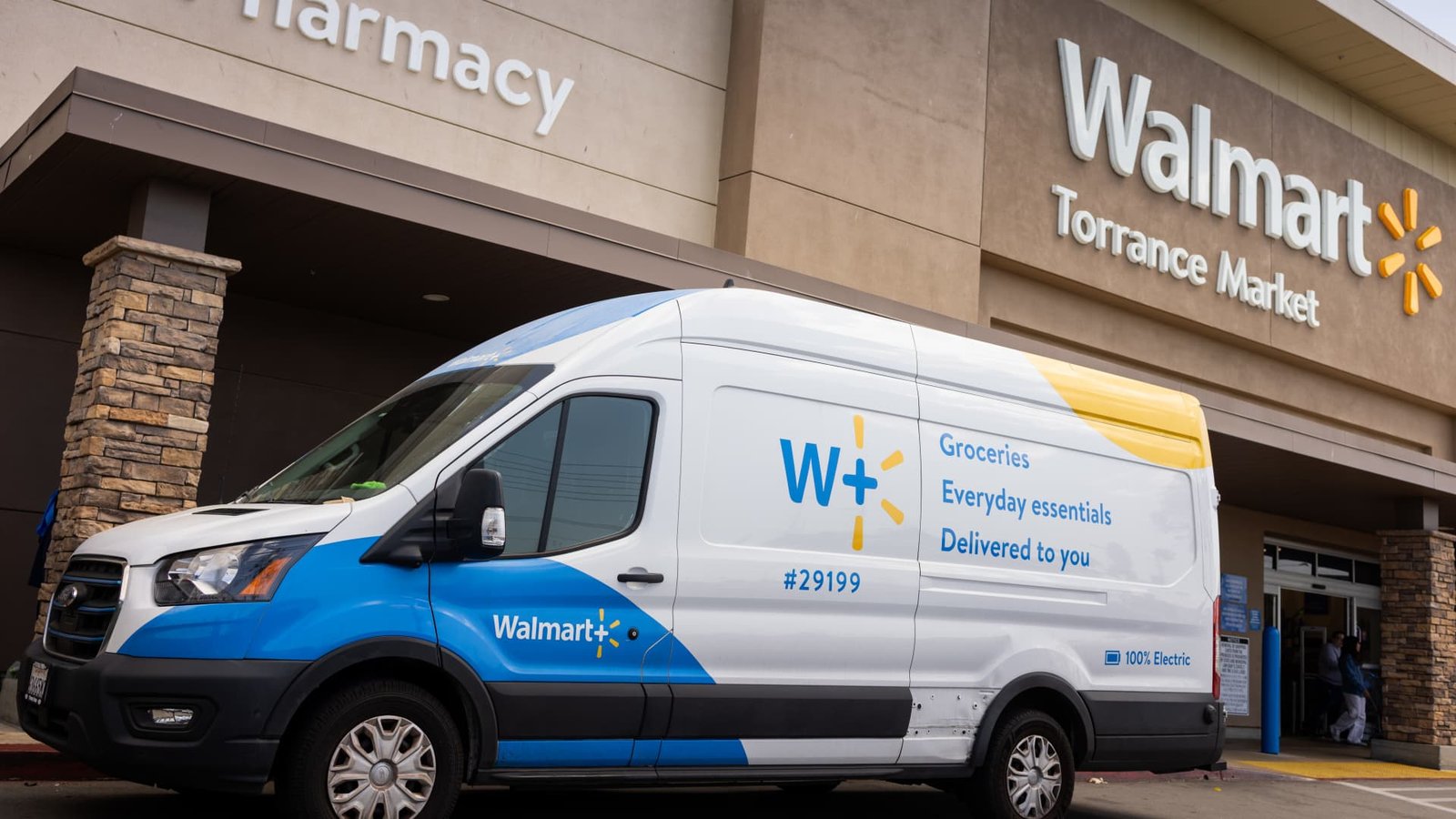
Walmart is officially turning up the heat on the food delivery sector, announcing a major expansion of its “Walmart Restaurant Delivery” service. While the retail giant previously focused on delivering meals from eateries located inside its own stores—such as Subway—the company is now preparing to bridge the gap into the broader restaurant market by partnering with Dunkin’.
The initiative, which will roll out to nearly 10,000 Dunkin’ locations across the United States over the coming year, marks a strategic pivot for the retailer. By venturing beyond its own store footprint, Walmart is positioning itself as a direct competitor to entrenched delivery giants like DoorDash and Uber Eats.
## The Strategy Behind the Doughnut
Industry analysts note that while a single iced coffee and a maple doughnut rarely make for a profitable standalone delivery, Walmart’s business model relies on a different calculus. The primary goal is to leverage the retailer’s massive, pre-existing customer base and logistics network to increase order frequency.
By offering restaurant items alongside household staples like socks, toiletries, or groceries, Walmart hopes to transform its app into a daily utility rather than a weekly necessity. Experts suggest that a morning coffee order serves as a “gateway” for customers to engage with the Walmart ecosystem, effectively increasing the average basket size and keeping users within the Walmart platform at times when they would otherwise turn to competitors.
“This is about using food as the reason someone opens the app at 7 a.m. instead of waiting until the weekend for a grocery run,” said Mike Danford, co-owner of the e-commerce agency Adverio. By “attaching” a food order to an existing grocery route, Walmart can achieve a level of delivery efficiency that pure-play restaurant delivery services struggle to replicate.
## Operational Hurdles and Tech Optimization
As Walmart scales this service, it faces significant operational challenges that differ from standard retail shipping. Delivering hot coffee or cold iced beverages requires extreme time-sensitivity and higher precision than dropping off non-perishable goods.
Amrita Bhasin, CEO of the AI-powered supply chain platform Sotira, emphasizes that success will depend on Walmart’s ability to use data and algorithmic routing to maintain delivery density. If the retail giant cannot optimize its delivery routes during off-peak hours, costs will climb, putting pressure on margins.
Furthermore, Walmart is banking on its “Spark Driver” platform—a network of independent contractors—to handle the volume. Data from the company’s recent test runs suggests this strategy is already gaining traction; nearly 65% of current restaurant orders are being combined with other Walmart purchases, indicating that the convenience of a “one-stop shop” delivery is resonating with consumers.
## A New Era for Delivery Competition
The move signals that Walmart is no longer content to act merely as a retail landlord. By expanding to independent Dunkin’ stores, the company is signaling its intent to become a full-fledged restaurant delivery marketplace.
For established players like DoorDash and Uber Eats, the arrival of such a well-capitalized competitor represents a shift in the market. While those companies have spent years building their restaurant networks, Walmart holds a distinct advantage: 90% of the U.S. population lives within 10 miles of one of its stores.
Whether this ambitious experiment can balance the razor-thin margins of coffee-and-doughnut delivery with the complexities of retail logistics remains to be seen. However, with fast delivery under 30 minutes growing by 48% in its most recent quarter, Walmart is signaling that it has the infrastructure, the customer intent, and the technological capacity to reshape how Americans receive their daily essentials—and their breakfast.
Disclaimer: This content is auto-generated for informational purposes only.
Source: Read Original News