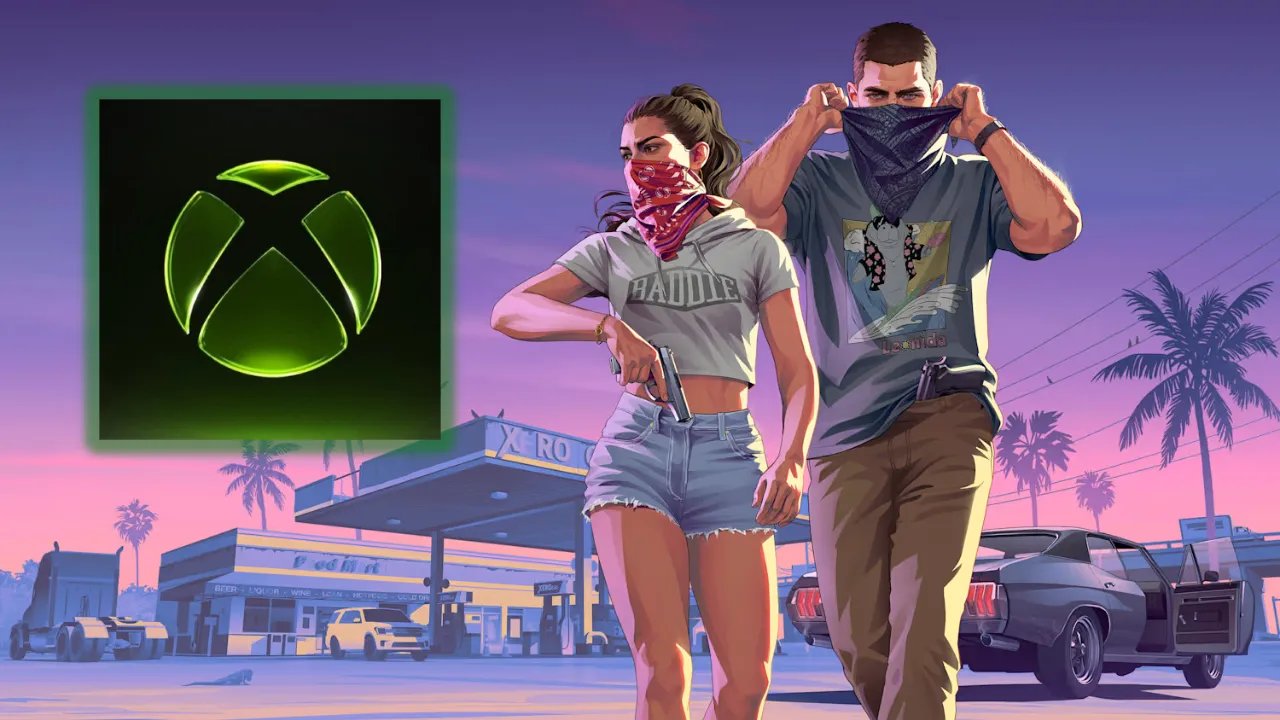










The Intersection of Virtual Environments and Urban Marketing
The digital landscape of Grand Theft Auto 6, set in the fictional state of Leonida, serves as a high-fidelity digital mirror of Florida. As the game captures global attention, the sheer scale of its virtual world has prompted government officials in Miami-Dade to consider an unprecedented form of public-private collaboration. By attempting to bridge the gap between a blockbuster entertainment property and real-world tourism infrastructure, local authorities are navigating the complexities of modern branding.
The proposed marketing initiative was designed to transform key transit and public spaces into an immersive exhibition of the game’s aesthetic. The pitch suggested branding baggage claim areas, outfitting luggage carts with thematic visuals, and installing public sculptures that highlight the relationship between Miami’s real-world geography and the game’s simulated environment. This strategy aimed to capitalize on the massive cultural footprint of the release, potentially funneling the interest of millions of players into increased foot traffic and commercial activity for the county.
The Mechanics of the Proposed Partnership
From a structural perspective, the proposal represented a significant attempt to leverage intellectual property for regional economic growth. The plan moved beyond simple signage, suggesting structural additions like thematic manhole covers and artistic installations that would guide visitors through a curated tour of the region’s cultural references. For local officials, the objective was to convert the virtual curiosity generated by the software into a tangible asset for the tourism sector.
The pitch also featured a “family-appropriate” automotive event, demonstrating an attempt to strip away the mature elements of the intellectual property while maintaining its recognizable branding. This indicates a broader trend in urban development where cities seek to utilize the high engagement levels of digital media to revitalize physical locations. However, the proposal faced an immediate roadblock due to the inherent disconnect between the game’s mature narrative and the image the local government intends to project to the public.
Why Miami-Dade’s Sheriff Is Against Working With GTA 6
The proposal met with swift and firm resistance from the Miami-Dade Sheriff’s Office. Sheriff Rosie Cordero-Stutz articulated a clear ideological barrier, arguing that an association with the game would contradict the primary mission of law enforcement. The core of the opposition rests on the game’s thematic content, which involves criminal activities that mirror real-world concerns such as robbery, drug trafficking, and violence against officers.
For the Sheriff’s Office, the visual presence of this branding throughout the city would constitute an endorsement of conduct that local police spend their resources to combat. This highlights the difficulty of marketing a product that thrives on non-conformity and chaos within a bureaucratic framework that relies on order and public safety as its core values. The discord illustrates a fundamental technical and philosophical mismatch between the game’s open-world, transgressive nature and the rigid requirements of municipal governance.
Budgetary Pressures and Public Funding
Beyond the philosophical disagreements, the push for this collaboration was deeply rooted in the fiscal realities facing Miami-Dade. The county has dealt with significant financial deficits in recent years, including a $400 million shortfall in 2025 that necessitated hikes in utility fees and the reduction of certain community services. With the Sheriff’s Office currently requesting a 12% increase to its existing $1.2 billion budget for 2027, the pressure to find alternative revenue streams is immense.
The pitch to Rockstar Games was, in many ways, an attempt to monetize the attention economy. By securing a licensing or marketing agreement, the county hoped to generate funds that could alleviate the burden on taxpayers. This highlights a recurring tension in modern city management: the willingness to experiment with unconventional revenue sources when traditional funding methods, such as tax increases or service cuts, reach their limit of social and political feasibility.
The Impact of Narrative Dissonance on Policy
The failure of the proposal to gain traction demonstrates the limitation of using digital entertainment as a tool for urban planning. While developers and publishers create vast, detailed simulations of reality, those digital spaces operate under a different set of rules than actual, functioning cities. The narrative dissonance between a simulation of crime and a government tasked with maintaining law and order creates a barrier that is difficult to bridge with marketing materials alone.
As the gaming industry continues to produce increasingly accurate recreations of real-world cities, other municipalities may face similar challenges. If cities continue to explore these partnerships, they must address how to reconcile their public safety missions with the realities of modern media. For now, the Miami-Dade initiative serves as a case study in the friction caused when a high-profile digital product is forced to interact with the conservative requirements of municipal administration. The lack of approval from Rockstar Games, combined with internal government pushback, signals that while digital influence is powerful, it is not always compatible with the expectations of the public institutions that govern our physical spaces.
Disclaimer: This content is auto-generated for informational purposes only.
Source: Read Original News